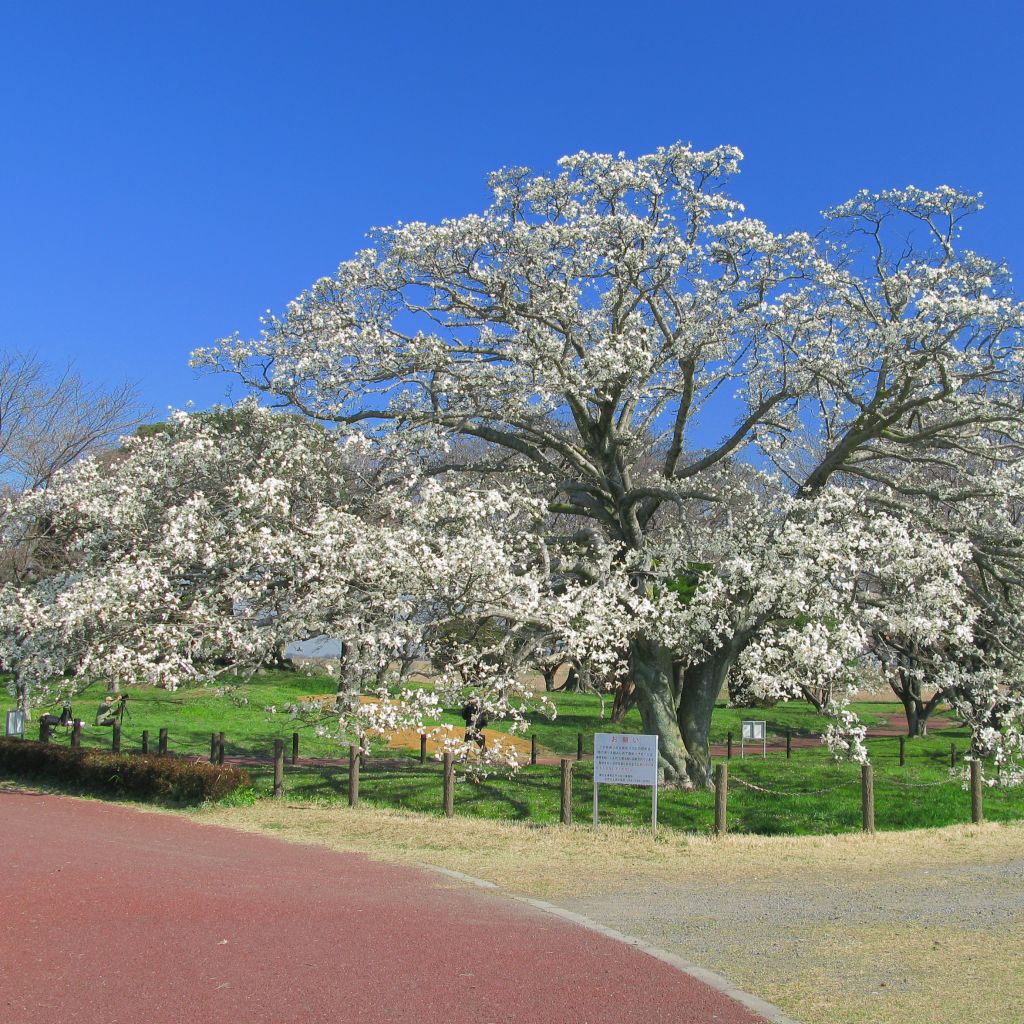
Magnolia kobus
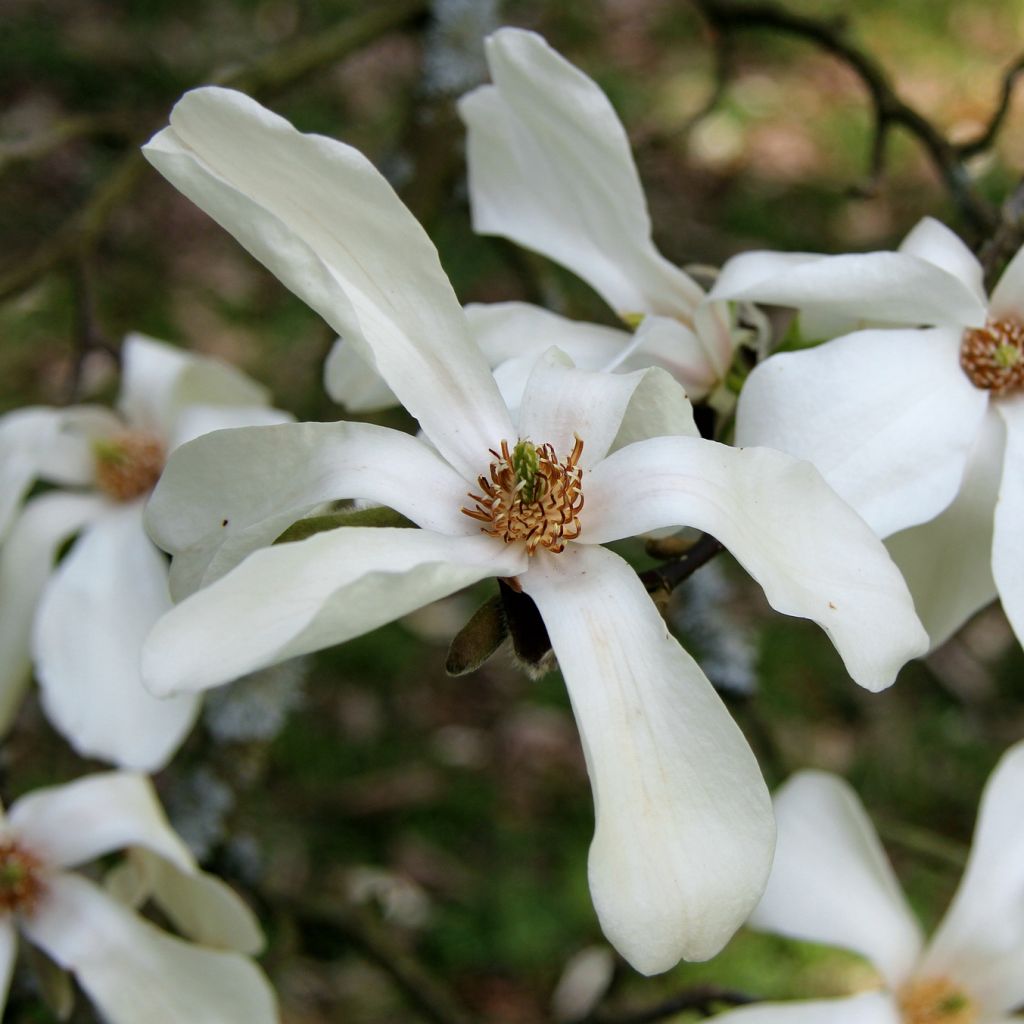
Magnolia kobus
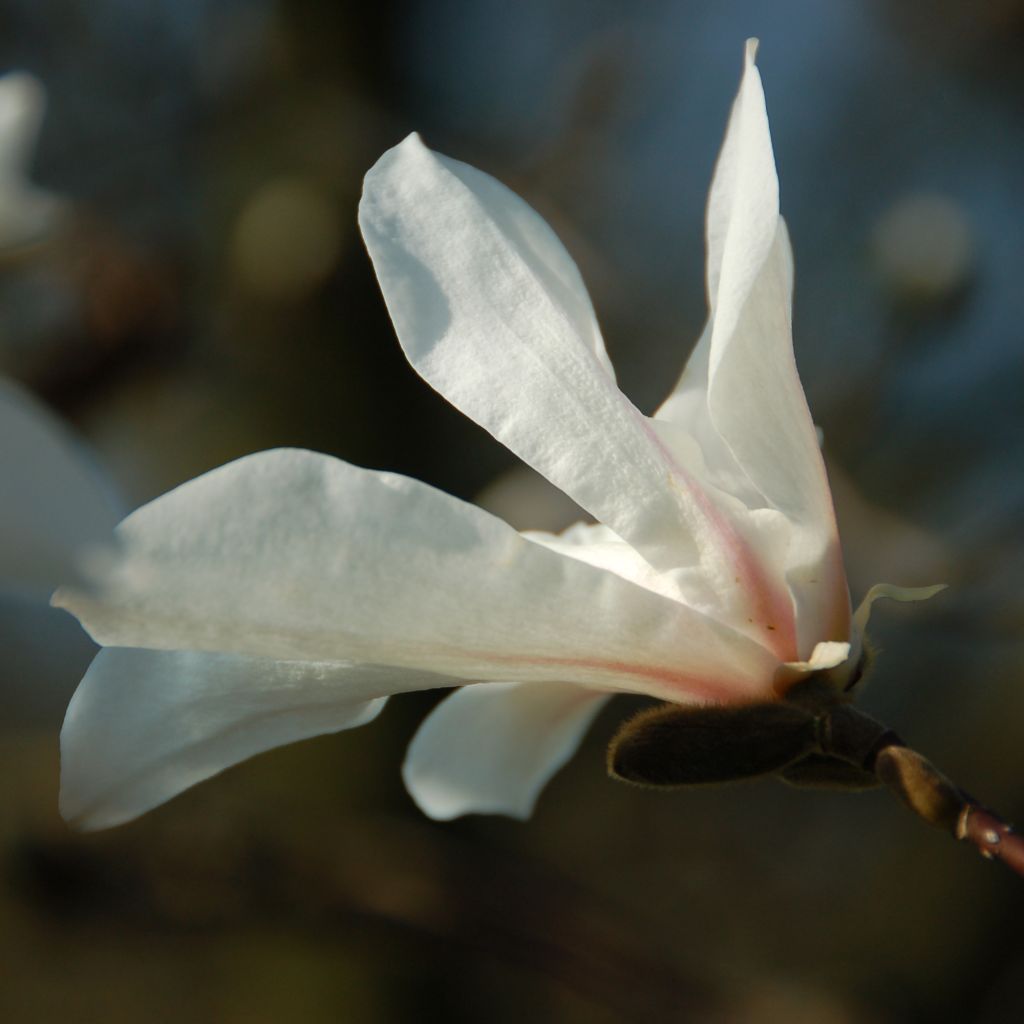
Magnolia kobus
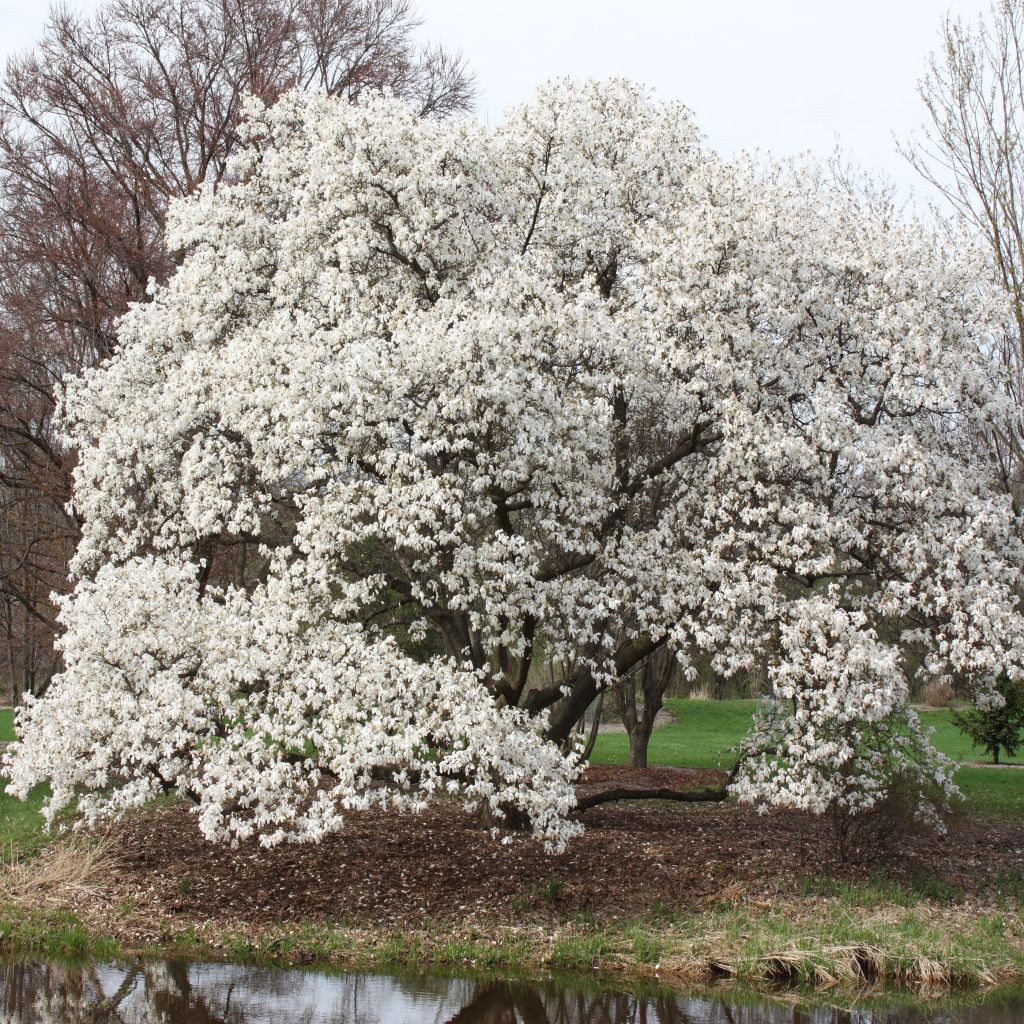
Magnolia kobus
Magnolia kobus
Magnolia kobus
Received height 150 excluding pot for an order of height 180/200 cm (71/79in) in a 7.5L/10L pot. Ref 781522.
Benjamin, 22/12/2020
Back-to-school special offer!
Get €10 off for every €50 you spend! And get up to €40 off on a single order.
How does it work?
1. Shop your favourites
Add your favourite plants to your basket. For every €50 you spend (excluding delivery charges, store credit and the plastic-free option), you’ll receive a €10 voucher.
€50 spent = €10 voucher
€100 spent = €20 voucher
€150 spent = €30 voucher
€200 spent = €40 voucher
2. Place your order
Once your basket reaches one of the spending thresholds, place your order. You can even choose your delivery date!
3. Receive your voucher
As soon as your order has been shipped, you’ll receive an email containing your personal voucher code and its value.
4. Use it on your next order
Your voucher is valid for 90 days from the date you receive it. It can be used once only, on a new order worth at least the value of the voucher, excluding delivery charges.
Please note: Vouchers can be combined with other offers, but cannot be split or refunded.
Home or relay delivery (depending on size and destination)
Important: You may be charged customs duties by your country’s customs authorities upon delivery.
Schedule delivery date,
and select date in basket
This plant carries a 24 months recovery warranty
More information
We guarantee the quality of our plants for a full growing cycle, and will replace at our expense any plant that fails to recover under normal climatic and planting conditions.
Would this plant suit my garden?
Set up your Plantfit profile →
Description
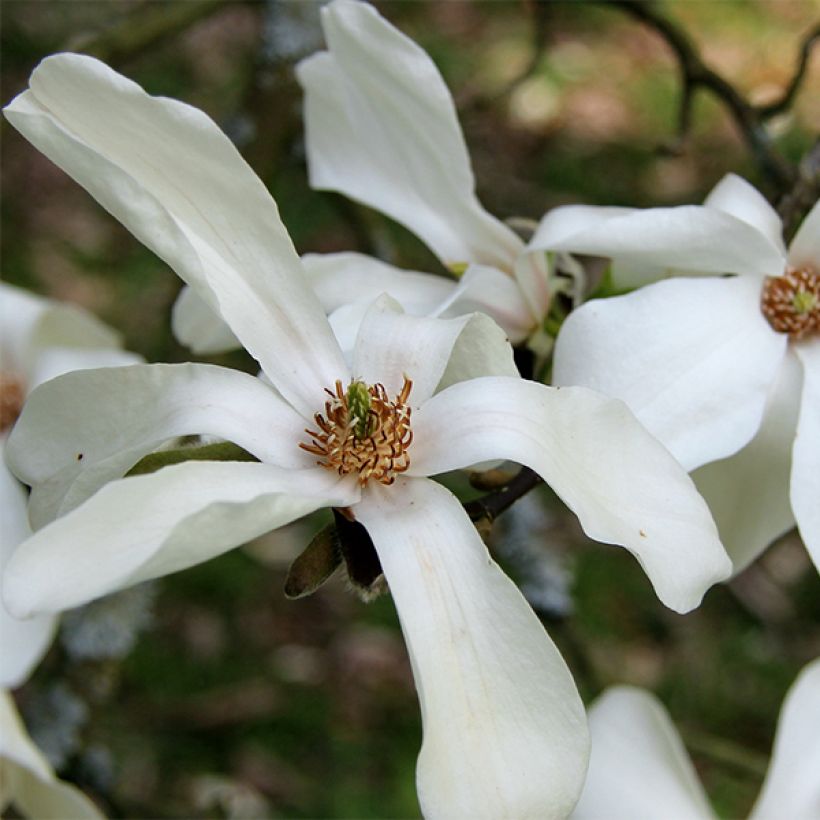
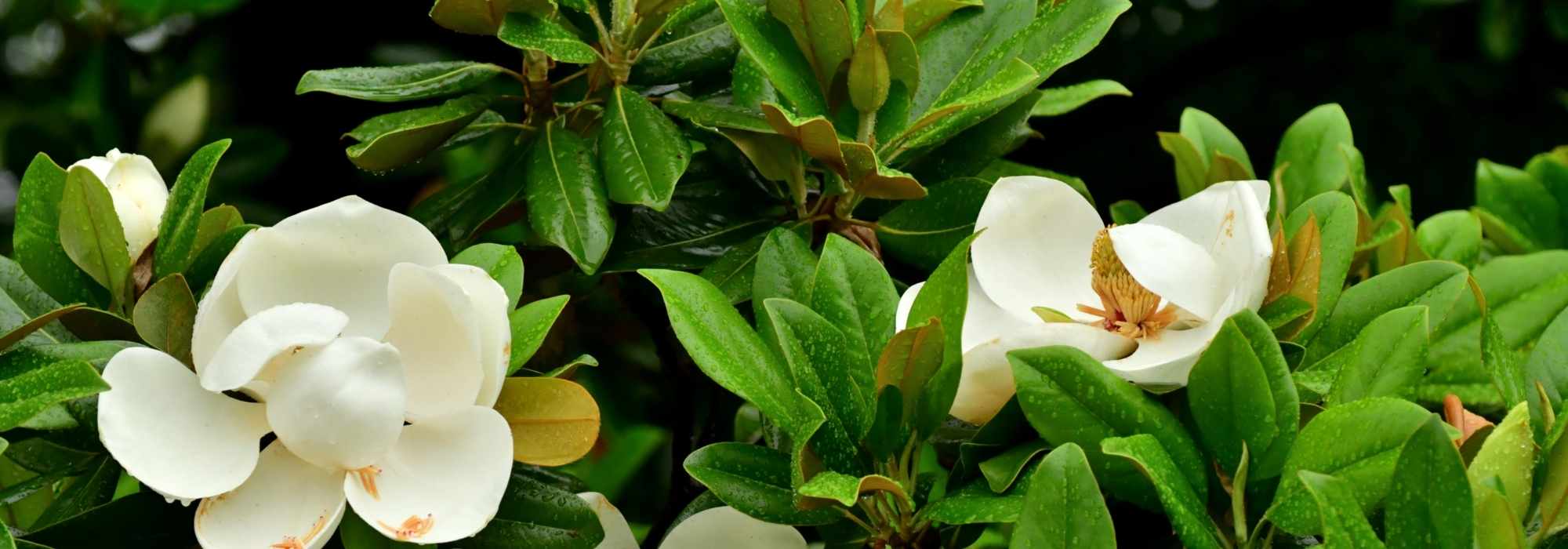
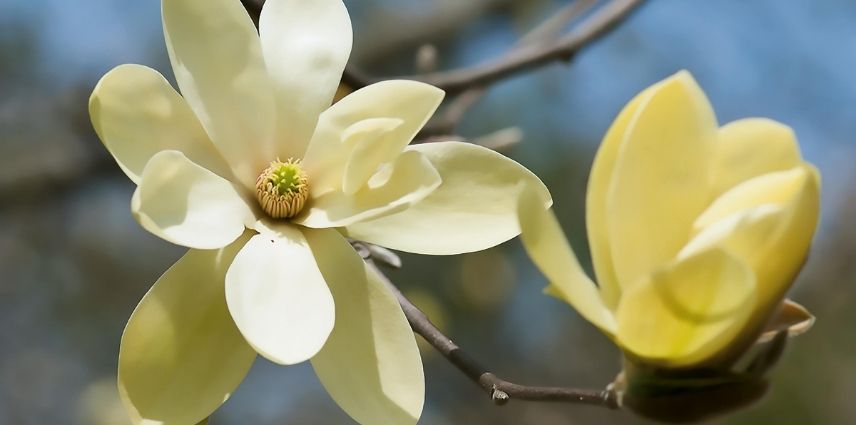
Magnolia kobus, the northern Japanese magnolia, produces a generous display of white flowers on its bare branches in early spring. It is a large deciduous magnolia that also stands out for its tolerance of slightly chalky soils, which means it can be grown in many regions. Over the years, it becomes more substantial and increasingly magnificent. Plant it as a solitary specimen in a garden large enough to accommodate it.
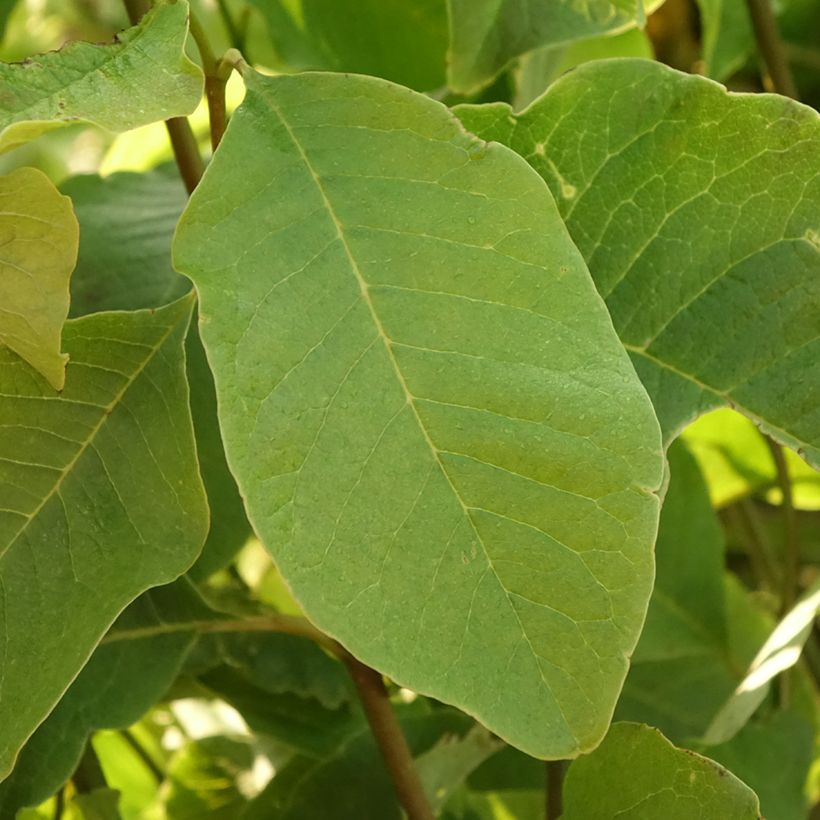
Magnolia kobus belongs to the Magnoliaceae family. This botanical species, native to Japan and Jeju Island in South Korea, grows in woodland habitats, particularly in hilly and mountainous regions, often in valleys, on deep, fertile, humus-rich soils that remain moist. It is also known by the synonym Yulania kobus. Initially pyramidal, the tree gradually develops a rounded to spreading crown, borne on a trunk or several large branches arising from the base. Its growth is moderate. In gardens, it reaches 8 to 12 m in height and spreads 6 to 8 m; older specimens may exceed these dimensions. The grey bark and silky-haired flower buds are clearly visible during winter. The leaves, oval to obovate, measure up to 15 cm in length. Green on the upper surface and paler underneath, they turn yellow in autumn before falling. This magnolia flowers in March-April depending on the climate, before the leaves appear. The flowers measure 8 to 10 cm across. They usually have six large white tepals, accompanied by three small outer parts. Their scent is light and varies from one specimen to another. Flowering becomes spectacular with age: seedlings sometimes take more than ten years to flower for the first time. Elongated fruits may then form; they open when ripe, revealing red seeds. The tree tolerates down to −20 °C, but its flowers are susceptible to spring frosts. Its hardiness and ability to adapt to different soils also make it useful as a rootstock for other magnolias.
The northern Japanese magnolia is well suited to large romantic gardens, Japanese-inspired gardens and parks. It can be planted as a solitary specimen on a lawn or incorporated into a large planting of trees and shrubs. In rather acidic soil, pair it with snowy mespilus, Viburnum plicatum 'Mariesii' and Cornus alba 'Sibirica'. The flowering periods follow one another, then autumn foliage and the red branches of the dogwood take over. You can plant spring bulbs beneath its branches: Siberian squills 'Spring Beauty', with intense blue bells, and 'Ice Follies' daffodils, white with pale yellow trumpets, accompany its flowering in March-April.

Magnolia kobus in pictures
Plant habit
Flowering
Foliage
Botanical data
Magnolia
kobus
Magnoliaceae
Yulania kobus
Southeast Asia
Planting and care
Magnolia kobus appreciates deep, humus-rich, moisture-retentive soil, in sun or partial shade. Loamy soils are favourable; clay soils are tolerated provided that water drains away properly. It tolerates moderately alkaline soil, but not very chalky ground. A position sheltered from strong winds protects the branches and flowers. Plant in September-October or in early spring in cold regions. Handle the rootball carefully to protect the fragile roots, and keep the root collar level with the soil. Water regularly during the first few years to help it establish. Organic mulch is useful for retaining soil moisture and reducing the need for watering.
Planting period
Intended location
Care
Planting & care advice
-
-

-
-

-

-
-
-

-
, onOrder confirmed
Reply from on Promesse de fleurs
Recently viewed products
Haven't found what you were looking for?
Hardiness is the lowest winter temperature a plant can endure without suffering serious damage or even dying. However, hardiness is affected by location (a sheltered area, such as a patio), protection (winter cover) and soil type (hardiness is improved by well-drained soil).

The flowering period indicated on our website applies to countries and regions located in USDA zone 8 (France, the United Kingdom, Ireland, the Netherlands, etc.)
It will vary according to where you live:- In zones 9 to 10 (Italy, Spain, Greece, etc.), flowering will occur about 2 to 4 weeks earlier.
- In zones 6 to 7 (Germany, Poland, Slovenia, and lower mountainous regions), flowering will be delayed by 2 to 3 weeks.
- In zone 5 (Central Europe, Scandinavia), blooming will be delayed by 3 to 5 weeks.
In temperate climates, pruning of spring-flowering shrubs (forsythia, spireas, etc.) should be done just after flowering.
Pruning of summer-flowering shrubs (Indian Lilac, Perovskia, etc.) can be done in winter or spring.
In cold regions as well as with frost-sensitive plants, avoid pruning too early when severe frosts may still occur.
The planting period indicated on our website applies to countries and regions located in USDA zone 8 (France, United Kingdom, Ireland, Netherlands).
It will vary according to where you live:
- In Mediterranean zones (Marseille, Madrid, Milan, etc.), autumn and winter are the best planting periods.
- In continental zones (Strasbourg, Munich, Vienna, etc.), delay planting by 2 to 3 weeks in spring and bring it forward by 2 to 4 weeks in autumn.
- In mountainous regions (the Alps, Pyrenees, Carpathians, etc.), it is best to plant in late spring (May-June) or late summer (August-September).
The harvesting period indicated on our website applies to countries and regions in USDA zone 8 (France, England, Ireland, the Netherlands).
In colder areas (Scandinavia, Poland, Austria...) fruit and vegetable harvests are likely to be delayed by 3-4 weeks.
In warmer areas (Italy, Spain, Greece, etc.), harvesting will probably take place earlier, depending on weather conditions.
The sowing periods indicated on our website apply to countries and regions within USDA Zone 8 (France, UK, Ireland, Netherlands).
In colder areas (Scandinavia, Poland, Austria...), delay any outdoor sowing by 3-4 weeks, or sow under glass.
In warmer climes (Italy, Spain, Greece, etc.), bring outdoor sowing forward by a few weeks.
Shipping country and language
Your country of residence may be:
Your country of residence is:
For a better user experience on our website, you can select:
Your shipping country:
-
 Austria
-
 Belgium
-
 Bosnia & Herzegovina
-
 Bulgaria
-
 Croatia
-
 Cyprus
-
 Czechia
-
 Denmark
-
 Estonia
-
 Finland
-
 France
-
 Germany
-
 Greece
-
 Hungary
-
 Iceland
-
 Ireland
-
 Italy
Italy
-
 Latvia
-
 Liechtenstein
-
 Lithuania
-
 Luxembourg
-
 Malta
Malta
-
 Netherlands
-
 Poland
-
 Portugal
-
 Romania
-
 Serbia
-
 Slovakia
-
 Slovenia
-
 Spain
Spain
-
 Sweden
-
 Switzerland
Language:
-
French
-
 English
-
Spanish
-
Italian
-
German
-
Portuguese
-
Dutch
-
Finnish
My Account
Hello
My wish lists
My cart
Log in / Register
Existing customer?
This form is protected by reCAPTCHA - the Google Privacy Policy and Terms of Service apply.
New customer?
Create an account to track your orders, access our customer service and, if you wish, make the most of our upcoming offers.