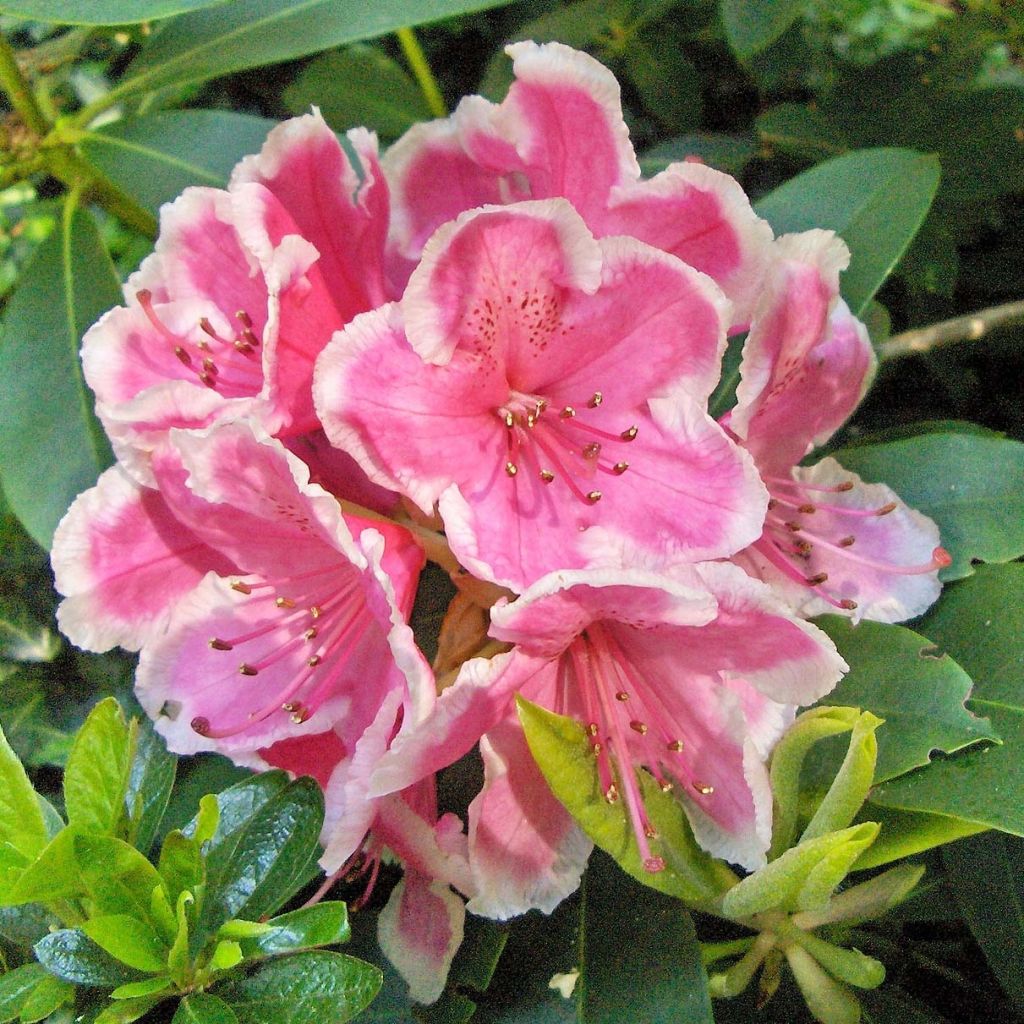
Rhododendron Janet Ward
Rhododendron Janet Ward
Rhododendron Janet Ward
Rhododendron
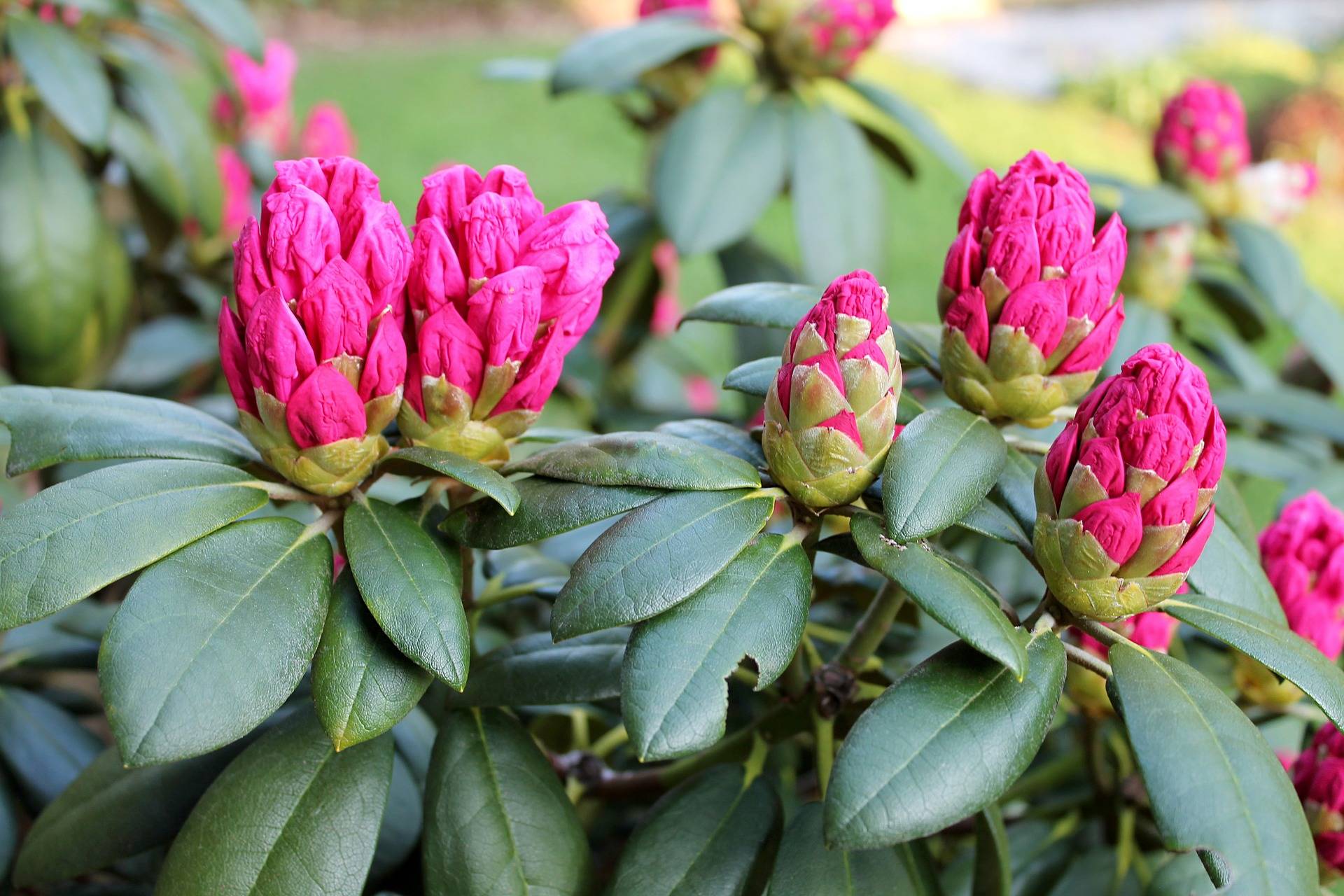
Lovely little plant with beautiful buds.
Dorothee, 05/03/2021
Back-to-school special offer!
Get €10 off for every €50 you spend! And get up to €40 off on a single order.
How does it work?
1. Shop your favourites
Add your favourite plants to your basket. For every €50 you spend (excluding delivery charges, store credit and the plastic-free option), you’ll receive a €10 voucher.
€50 spent = €10 voucher
€100 spent = €20 voucher
€150 spent = €30 voucher
€200 spent = €40 voucher
2. Place your order
Once your basket reaches one of the spending thresholds, place your order. You can even choose your delivery date!
3. Receive your voucher
As soon as your order has been shipped, you’ll receive an email containing your personal voucher code and its value.
4. Use it on your next order
Your voucher is valid for 90 days from the date you receive it. It can be used once only, on a new order worth at least the value of the voucher, excluding delivery charges.
Please note: Vouchers can be combined with other offers, but cannot be split or refunded.
Why not try an alternative variety in stock?
View all →
Available in 1 sizes

Available in 1 sizes
Available in 3 sizes
Available in 1 sizes
Available in 1 sizes
Available in 1 sizes
Available in 1 sizes
Available in 2 sizes
Available in 2 sizes
Available in 1 sizes
This plant carries a 24 months recovery warranty
More information
We guarantee the quality of our plants for a full growing cycle, and will replace at our expense any plant that fails to recover under normal climatic and planting conditions.
Would this plant suit my garden?
Set up your Plantfit profile →
Description
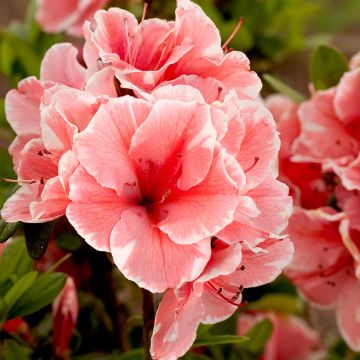
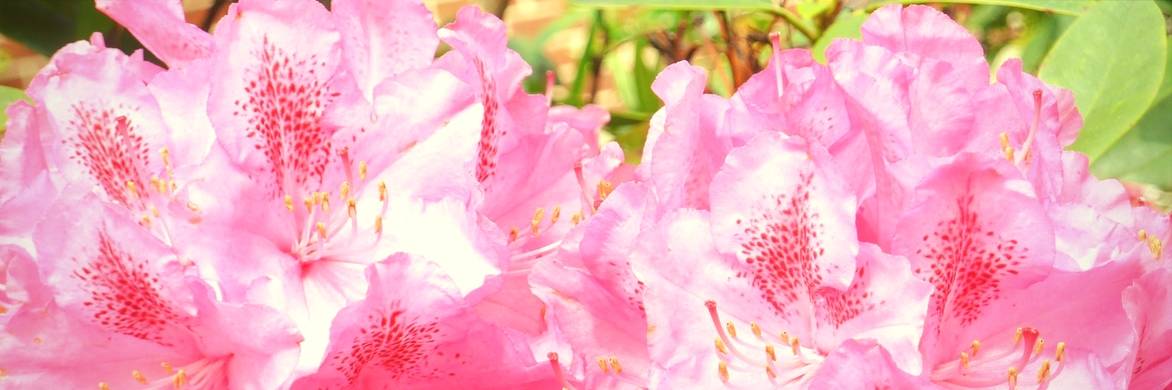
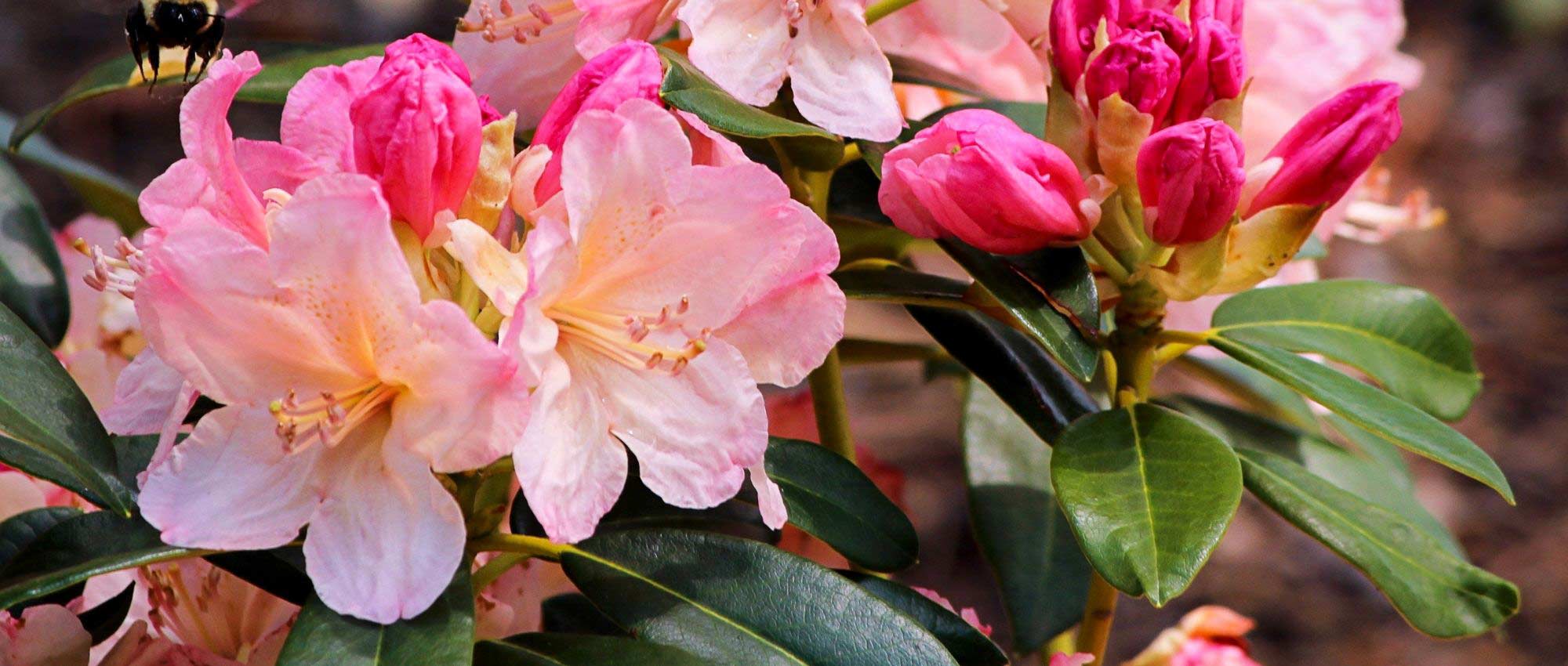
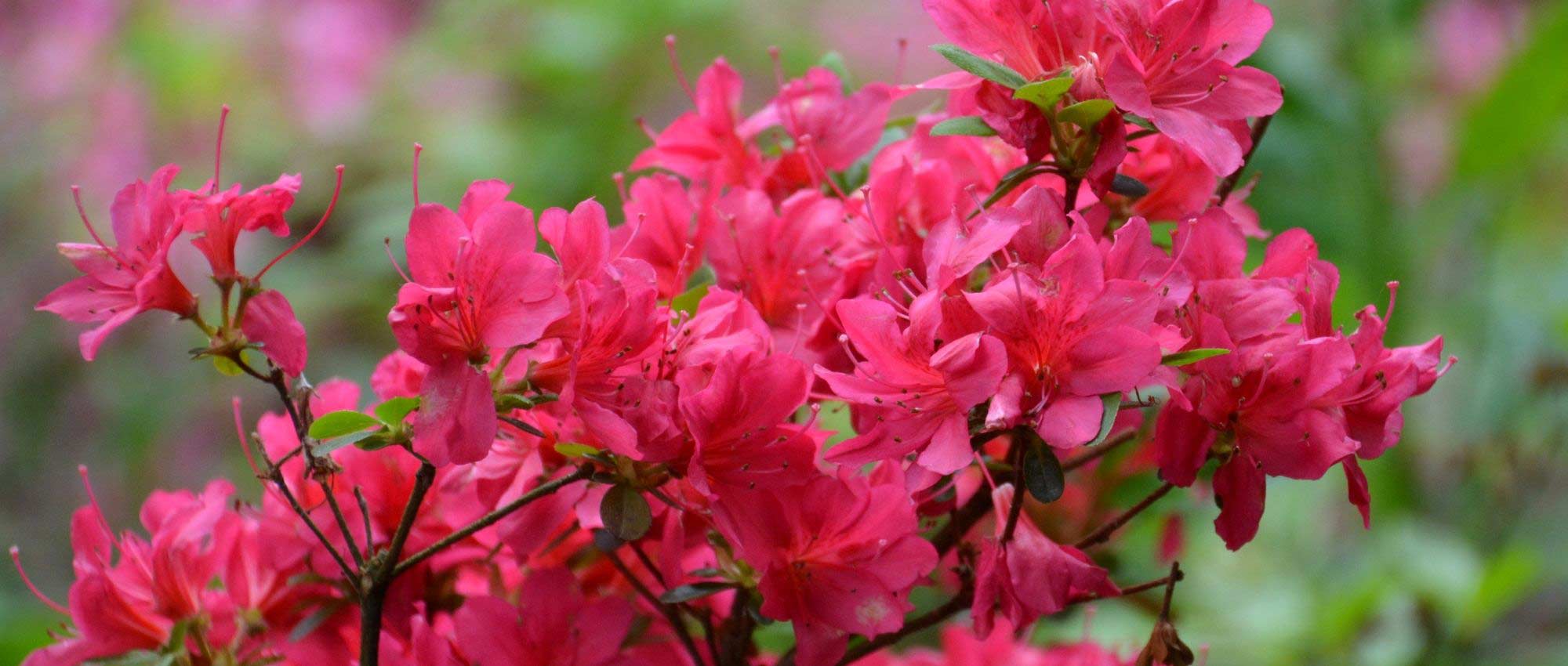
Rhododendron 'Janet Ward' is a hybrid variety that will seduce with the unusual colour of its flowers, a pale pink widely bordered in white when fully open. The bush is vigorous and it bears large evergreen and glossy leaves, decorative all year round. In late spring, bouquets appear where pretty deep pink flower buds and beautiful delicately bicoloured flowers coexist, creating a charming range of pink on the plant scale. Hardy, this rhododendron can be grown both in the ground and in pots on the terrace. 'Rhodos', as spectacular as they are exclusive, only succeed in acidic, rich, fresh but well-drained soil and under our humid climates.
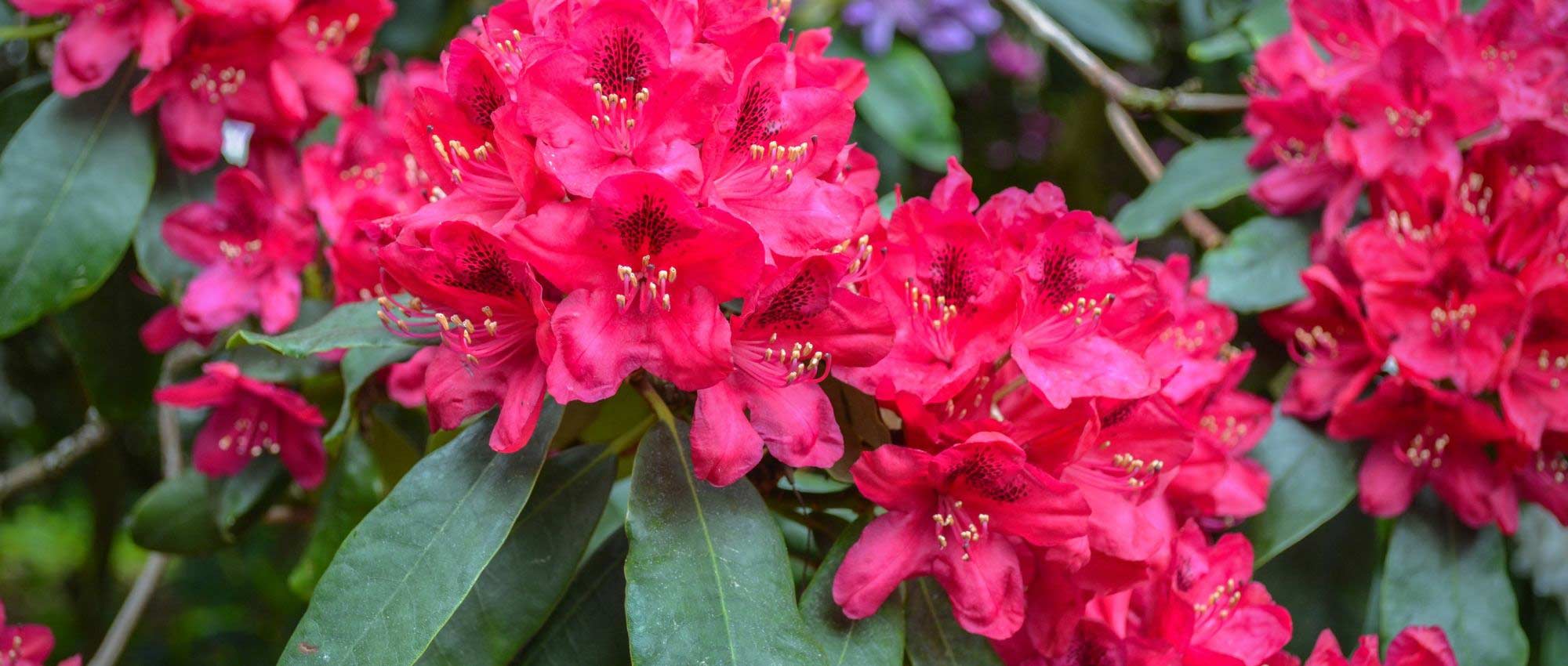
Rhododendrons are plants from the heath family, just like heathers, preferring in the majority of cases soils devoid of limestone, tending to be acidic, and humid climates. The Janet Ward cultivar was obtained in 1974 by Slocock Nurseries in England. It forms a regular bush, with a rounded habit, reaching about 2m (7ft) in height and 1.5m (5ft) in width at the age of 10, under good growing conditions in the ground. Its growth is rather slow. Its large leaves are elliptical in shape, dark green and glossy on the upper side, showing a lighter and hairy underside. They persist in winter. At the end of May or beginning of June, for about 3 weeks, large rounded bouquets or corymbs of flower buds open at the tips of the branches. They open into large funnel-shaped flowers, with slightly undulated petals on the edges, equipped with long dark pink stamens.
Rhododendron 'Janet Ward' is a floriferous and hardy plant, up to -15°C (5°F) or even -20°C (1°F). Even though they prefer partial shade, hybrid Rhododendrons can tolerate morning sun as long as it is not scorching and their base remains cool. "Janet Ward", with its inviting flowering, will easily light up a partially shaded area of the garden, in the company of ferns, hostas, Pieris, heathers, Japanese Azaleas or other rhododendrons from the same group to create superb patchworks of textures and colours in spring. Large rhododendrons can be used to create magnificent hedges, alone or with camellias or mimosa (in mild climates) for example. Growing in pots is possible, but it requires regular watering with non-limestone water and regular application of specific fertilizer for ericaceous plants.
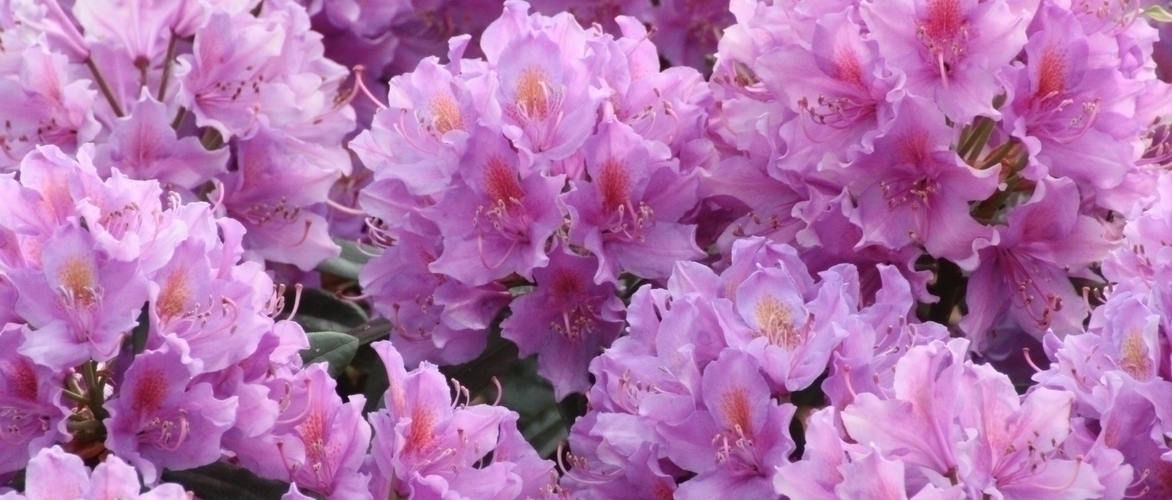
Rhododendron Janet Ward in pictures
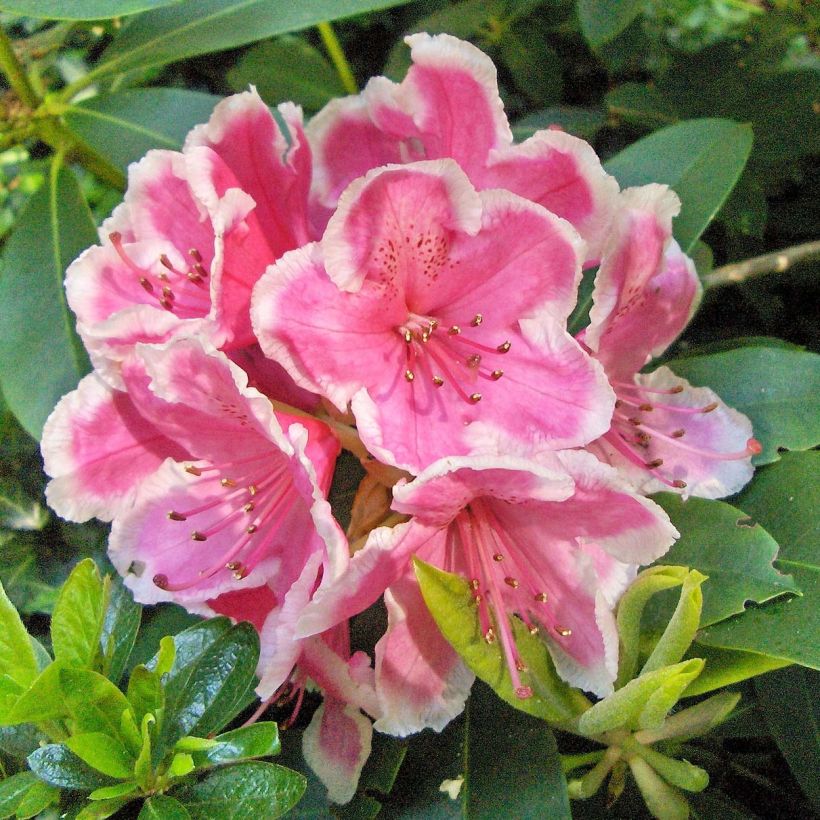
Plant habit
Flowering
Foliage
Botanical data
Rhododendron
Janet Ward
Ericaceae
Rhododendron
Cultivar or hybrid
Planting and care
Plant Rhododendron 'Janet Ward' in a semi-shaded or even shady position, protected from cold and drying winds, in a moist, humus-rich and light soil, with an acidic or neutral tendency. Like all plants in the heath family, it does not tolerate limestone soils or heavy soils saturated with water in winter. If the soil remains moist in summer, this rhododendron will also tolerate morning sun exposure. Avoid planting at its base, as its shallow roots do not tolerate competition from other plants, especially for water resources.
Dig a hole three times larger than the pot. Soak the root ball in non-limestone water and plant the bush at the collar level, in a mixture composed of leaf compost, gravel or pumice, and loam. Water generously and keep the soil moist in summer. Azaleas and Rhododendrons have a shallow root system. Therefore, they are susceptible to long periods of drought. That's why it is recommended to enrich the soil with humus and provide abundant watering during dry periods. In addition, this root system is not very strong, which is why it is essential to lighten heavy soils with draining materials (gravel, pumice, clay pellets) when planting. Apply a mulch of shredded pine bark around the base of the bush every spring to maintain soil moisture and acidic pH.
Maintenance consists of removing faded flowers in summer and pruning out any dead branches. Azaleas and Rhododendrons can sometimes be attacked by weevils that eat the edges of leaves and rootlets, as well as the famous "rhododendron beetle," which rarely causes significant damage. Effective biological solutions are available today against weevils. Yellowing of the leaves (chlorosis) in Rhododendrons indicates poor assimilation of iron from the soil and can lead to premature plant death. While limestone is often the cause, poorly drained soil or deeply planted root balls can also explain the phenomenon.
"Rhodos" thrive in cooler climates, planted in limestone-free soil and in a humid environment. Their cultivation in warmer and drier climates is often doomed to failure in the long run, despite all efforts made to acclimatise them.
Planting period
Intended location
Care
Planting & care advice
-

-
-
-
-
-
-
-

-
, onOrder confirmed
Reply from on Promesse de fleurs
Recently viewed products
Haven't found what you were looking for?
Hardiness is the lowest winter temperature a plant can endure without suffering serious damage or even dying. However, hardiness is affected by location (a sheltered area, such as a patio), protection (winter cover) and soil type (hardiness is improved by well-drained soil).

The flowering period indicated on our website applies to countries and regions located in USDA zone 8 (France, the United Kingdom, Ireland, the Netherlands, etc.)
It will vary according to where you live:- In zones 9 to 10 (Italy, Spain, Greece, etc.), flowering will occur about 2 to 4 weeks earlier.
- In zones 6 to 7 (Germany, Poland, Slovenia, and lower mountainous regions), flowering will be delayed by 2 to 3 weeks.
- In zone 5 (Central Europe, Scandinavia), blooming will be delayed by 3 to 5 weeks.
In temperate climates, pruning of spring-flowering shrubs (forsythia, spireas, etc.) should be done just after flowering.
Pruning of summer-flowering shrubs (Indian Lilac, Perovskia, etc.) can be done in winter or spring.
In cold regions as well as with frost-sensitive plants, avoid pruning too early when severe frosts may still occur.
The planting period indicated on our website applies to countries and regions located in USDA zone 8 (France, United Kingdom, Ireland, Netherlands).
It will vary according to where you live:
- In Mediterranean zones (Marseille, Madrid, Milan, etc.), autumn and winter are the best planting periods.
- In continental zones (Strasbourg, Munich, Vienna, etc.), delay planting by 2 to 3 weeks in spring and bring it forward by 2 to 4 weeks in autumn.
- In mountainous regions (the Alps, Pyrenees, Carpathians, etc.), it is best to plant in late spring (May-June) or late summer (August-September).
The harvesting period indicated on our website applies to countries and regions in USDA zone 8 (France, England, Ireland, the Netherlands).
In colder areas (Scandinavia, Poland, Austria...) fruit and vegetable harvests are likely to be delayed by 3-4 weeks.
In warmer areas (Italy, Spain, Greece, etc.), harvesting will probably take place earlier, depending on weather conditions.
The sowing periods indicated on our website apply to countries and regions within USDA Zone 8 (France, UK, Ireland, Netherlands).
In colder areas (Scandinavia, Poland, Austria...), delay any outdoor sowing by 3-4 weeks, or sow under glass.
In warmer climes (Italy, Spain, Greece, etc.), bring outdoor sowing forward by a few weeks.
Shipping country and language
Your country of residence may be:
Your country of residence is:
For a better user experience on our website, you can select:
Your shipping country:
-
 Austria
-
 Belgium
-
 Bosnia & Herzegovina
-
 Bulgaria
-
 Croatia
-
 Cyprus
-
 Czechia
-
 Denmark
-
 Estonia
-
 Finland
-
 France
-
 Germany
-
 Greece
-
 Hungary
-
 Iceland
-
 Ireland
-
 Italy
Italy
-
 Latvia
-
 Liechtenstein
-
 Lithuania
-
 Luxembourg
-
 Malta
Malta
-
 Netherlands
-
 Poland
-
 Portugal
-
 Romania
-
 Serbia
-
 Slovakia
-
 Slovenia
-
 Spain
Spain
-
 Sweden
-
 Switzerland
Language:
-
French
-
 English
-
Spanish
-
Italian
-
German
-
Portuguese
-
Dutch
-
Finnish
My Account
Hello
My wish lists
My cart
Log in / Register
Existing customer?
This form is protected by reCAPTCHA - the Google Privacy Policy and Terms of Service apply.
New customer?
Create an account to track your orders, access our customer service and, if you wish, make the most of our upcoming offers.