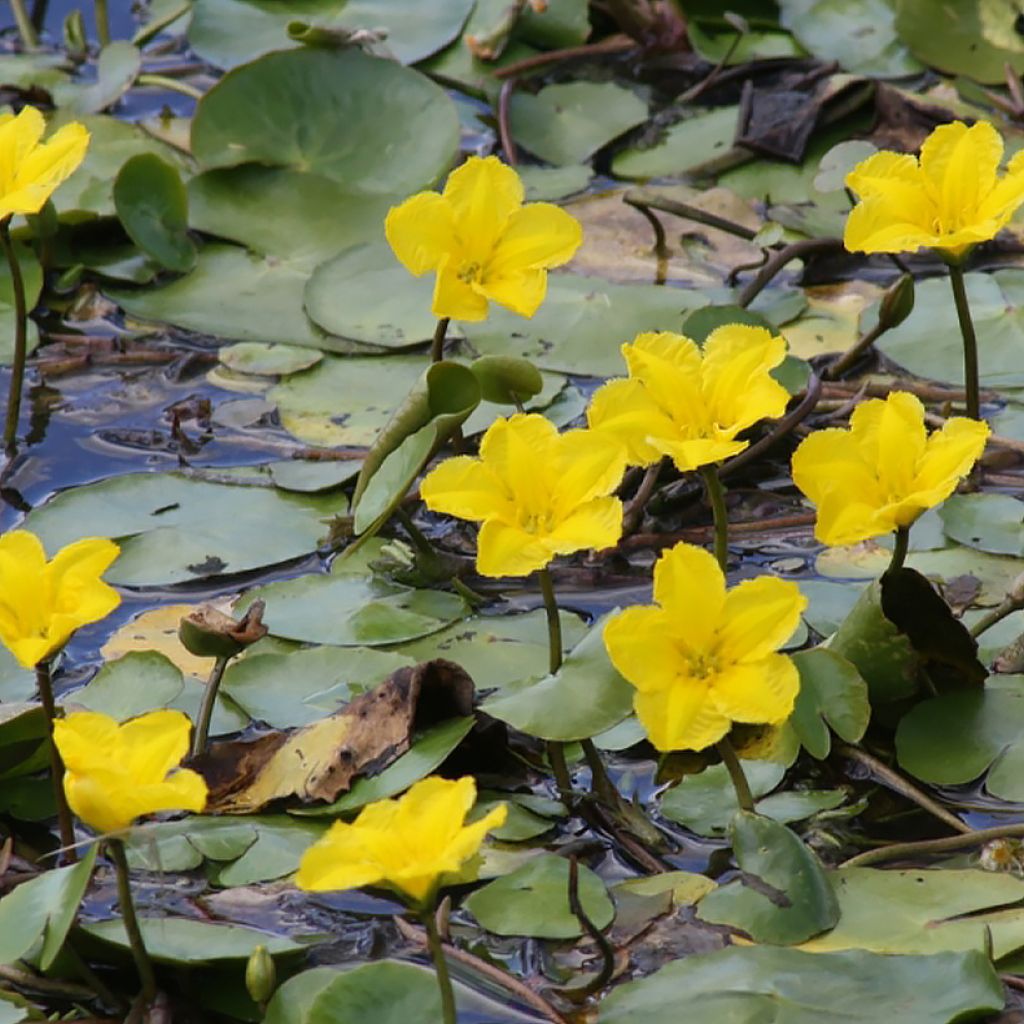
Nymphoides peltata - yellow floating heart
Nymphoides peltata - yellow floating heart
Nymphoides peltata
Yellow Water-lily, Brandy-Bottle
Back-to-school special offer!
Get €10 off for every €50 you spend! And get up to €40 off on a single order.
How does it work?
1. Shop your favourites
Add your favourite plants to your basket. For every €50 you spend (excluding delivery charges, store credit and the plastic-free option), you’ll receive a €10 voucher.
€50 spent = €10 voucher
€100 spent = €20 voucher
€150 spent = €30 voucher
€200 spent = €40 voucher
2. Place your order
Once your basket reaches one of the spending thresholds, place your order. You can even choose your delivery date!
3. Receive your voucher
As soon as your order has been shipped, you’ll receive an email containing your personal voucher code and its value.
4. Use it on your next order
Your voucher is valid for 90 days from the date you receive it. It can be used once only, on a new order worth at least the value of the voucher, excluding delivery charges.
Please note: Vouchers can be combined with other offers, but cannot be split or refunded.
Why not try an alternative variety in stock?
View all →
Available in 1 sizes
Available in 0 sizes

Available in 1 sizes
Available in 1 sizes
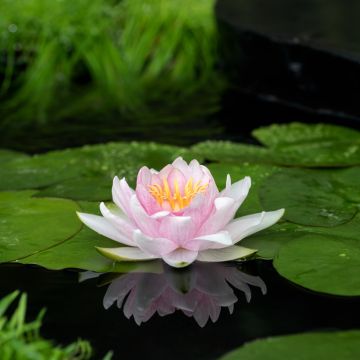
Available in 1 sizes
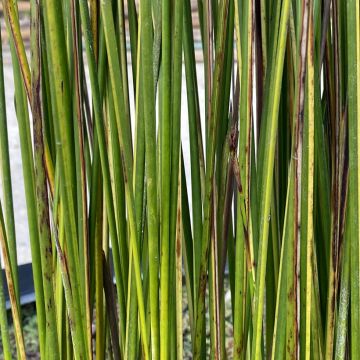
Available in 1 sizes
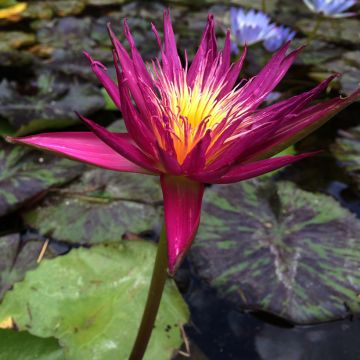
Available in 1 sizes
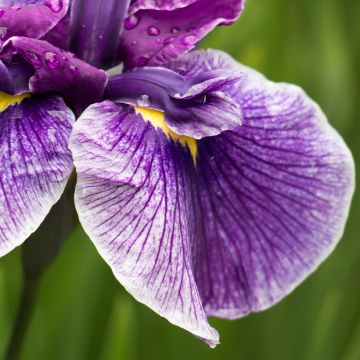
Available in 1 sizes
Available in 1 sizes
Available in 1 sizes
This plant carries a 6 months recovery warranty
More information
We guarantee the quality of our plants for a full growing cycle, and will replace at our expense any plant that fails to recover under normal climatic and planting conditions.
Description
Nuphar lutea, or yellow water lily has large floating or emergent heart-shaped leaves that can still be found in the wold in lakes, ponds, and calm and unpolluted rivers. It is less commonly used in ponds than Nymphaea because it is bigger and its golden yellow flower is smaller and less spectacular. However, it does have two advantages over the latter: it can grow in partially shaded areas and is less likely to be eaten by carp.
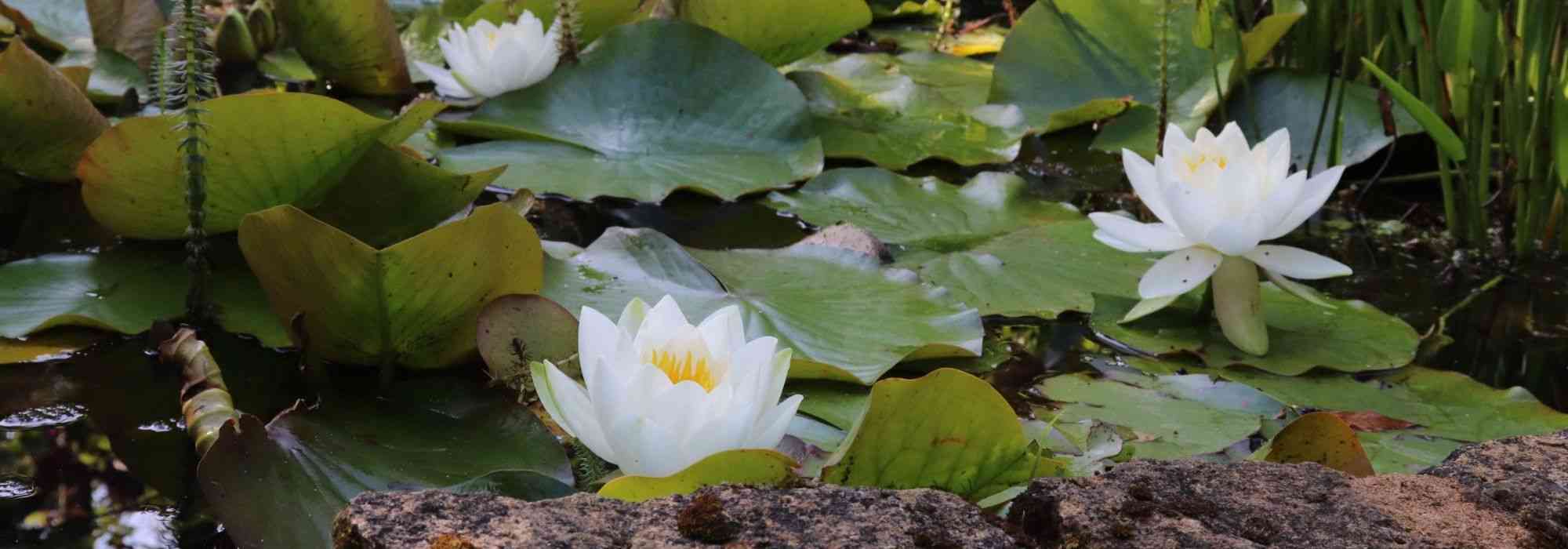
The yellow water lily belongs to the Nymphaeaceae family, native to Northern Europe, Northern Asia, and North Africa. It is found in calm and deep waters. This robust aquatic perennial can rapidly reach 30 cm (12in) high with a minimum spread of 2 m (7ft). It flowers in July-August. The flower opens in the morning and closes in the evening, lasting for 5 days, a few centimetres above the water, a round, cup-shape with 5 thick yellow petals resembling large buttercups. It measures 3 to 5 cm (1 to 2in). Its light apple-like fragrance with a hint of alcohol attracts insects to pollinate it. The green fruit is shaped like a bottle and releases seeds to be dispersed by water when ripe. The plant has 3 types of leaves:
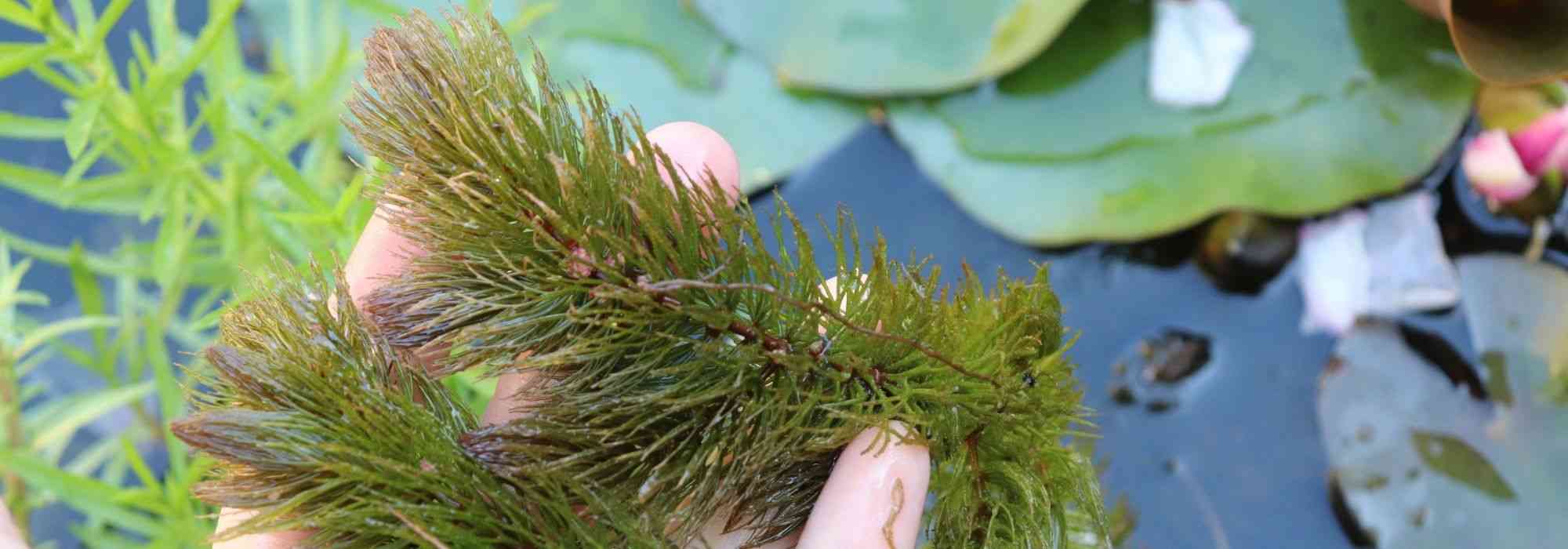
The first leaves are submerged, light green, with a fine and crumpled texture, reminiscent of lettuce leaves and floating under water. They are not very sturdy, as they are supported by the mass of water.
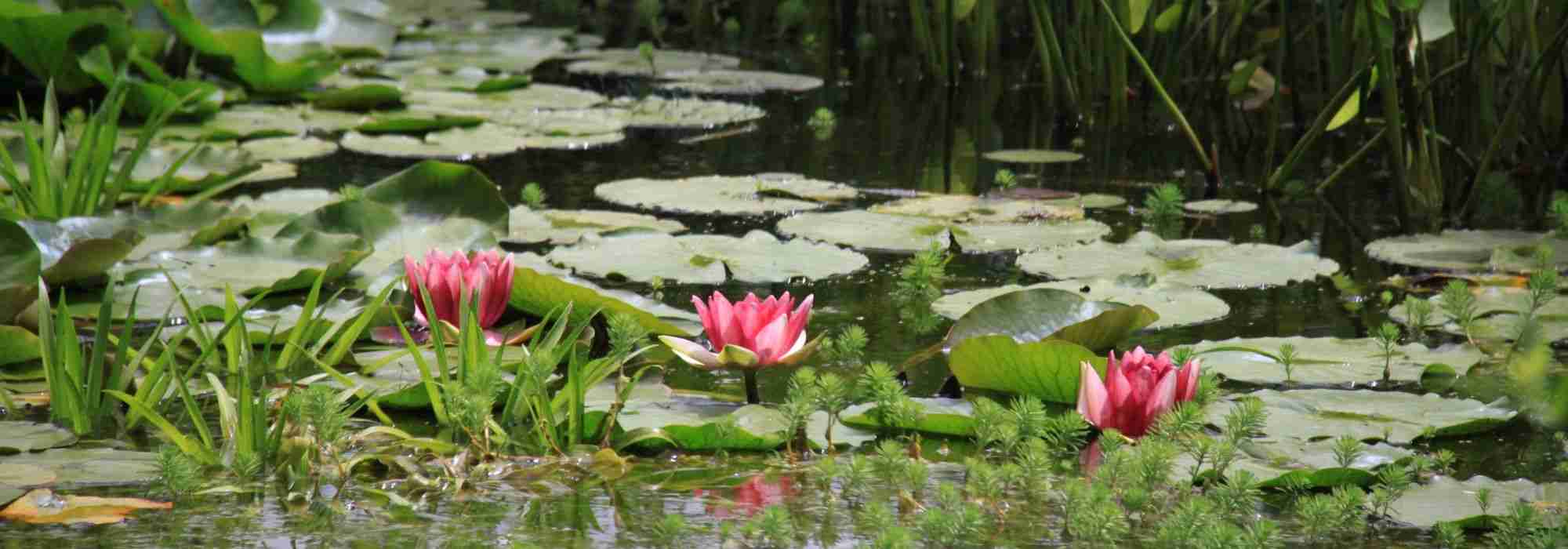
Floating leaves, magnificent and huge, heart-shaped, 30 cm (12in) wide: their long triangular petiole brings them to the surface of the water, like the short stem of a bulb. They are dark green and thicker and can spread over 3 to 4 m (10 to 13ft).
The emergent leaves are thicker and slightly smaller and they rise above the water. The water lily will produce this third type after using the available water surface, if the water is not too deep. It offers numerous hiding places for insects and amphibians.
The bottom of a pond is devoid of oxygen and the petioles contain air tubes to supply oxygen to the bottom of the water. They can reach a length of 5 m (16ft) and emerge from a thick rhizome. This aquatic stem grows at the level of the mud and buries its roots in it. The rhizome can reach 2 m (7ft) in length and branch out. In winter, all the leaves disappear, and the plant overwinters in the form of a rhizome.
Nuphar should not be confused with water lilies (Nymphaea), and are hardier. They develop in deeper and colder water and tolerate partial shade. Nuphar has a more wild and less sophisticated appearance and is reserved for large stagnant lakes or ponds. However, a slight current does not harm their growth and flowering.
Nuphar lutea is subject to monitoring and sometimes protection in certain departments, as, despite its vigorous growth, it is sensitive to pollution, and wetland areas are disapearing. If you see the beautiful leaves of this water lily spreading over a pond, it shows that the water is not polluted. The rhizome of the yellow water lily is edible, boiled like a starchy vegetable. It contains tannins and an alkaloid that give it medicinal properties.
Report an error about the product description
Nymphoides peltata - yellow floating heart in pictures
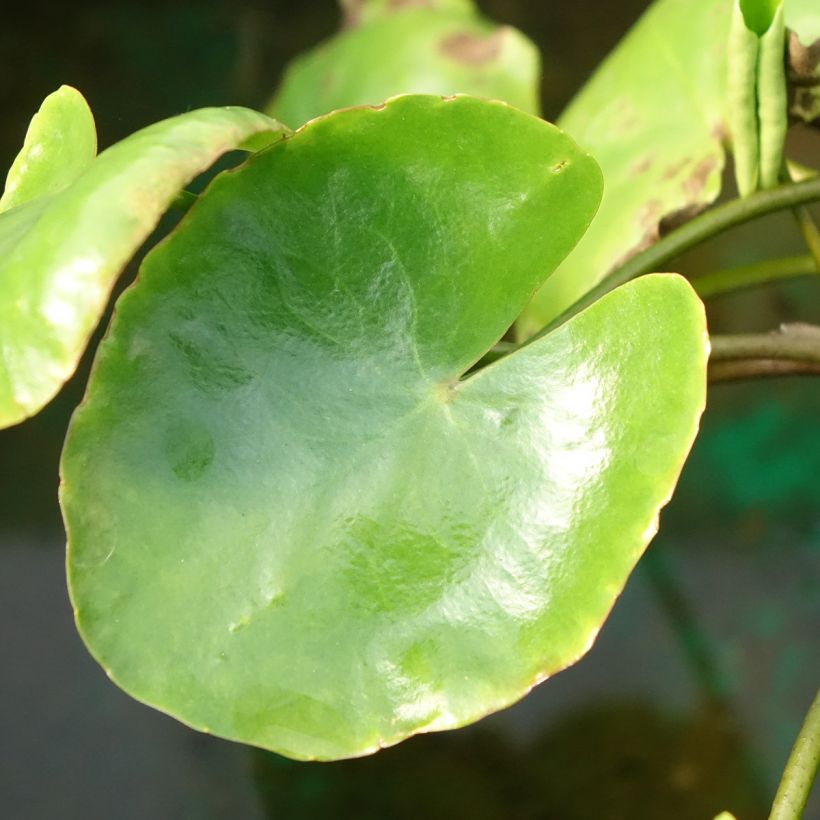
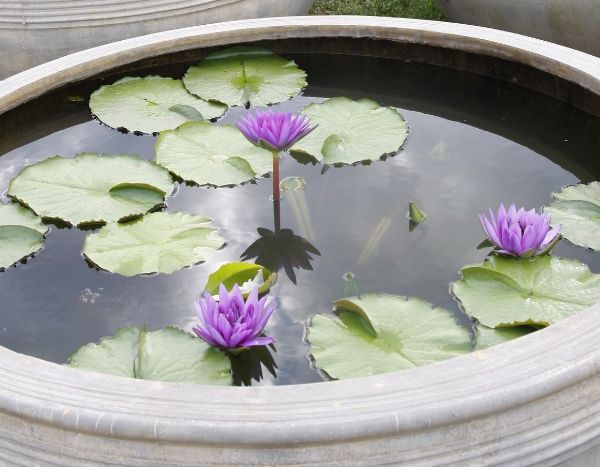
Flowering
Foliage
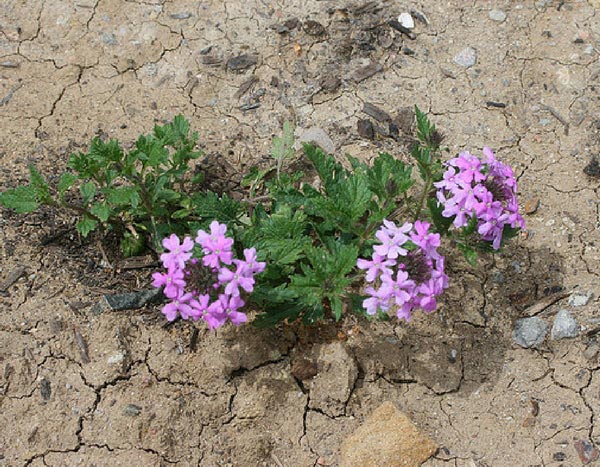
Plant habit
Botanical data
Nymphoides
peltata
Menyanthaceae
Yellow Water-lily, Brandy-Bottle
Nymphoides flava, Villarsia nymphoides, Nymphoides natans, Limnanthemum peltatum, Menyanthes nymphoides
Western Europe
Planting and care
Nuphar lutea prefers chalky waters and clayey and heavy soil, quite rich in organic matter, although it can tolerate a relatively poor environment. To plant in a pond, it should have a minimum depth of 1.50 m (5ft). It is best planted in a container to prevent it from becoming invasive, as it is vigorous and a detached piece of rootstock will colonize a little further. In winter, all the leaves disappear, and the plant overwinters in the form of a rootstock. Prune to control its growth if it seems to be colonizing too large an area, as it could deprive submerged oxygenating plants of light.
Planting period
Intended location
Care
Planting & care advice
-
-
-
-
-
-
-
-
This item has not been reviewed yet - be the first to leave a review about it.
Recently viewed products
Haven't found what you were looking for?
Hardiness is the lowest winter temperature a plant can endure without suffering serious damage or even dying. However, hardiness is affected by location (a sheltered area, such as a patio), protection (winter cover) and soil type (hardiness is improved by well-drained soil).

The flowering period indicated on our website applies to countries and regions located in USDA zone 8 (France, the United Kingdom, Ireland, the Netherlands, etc.)
It will vary according to where you live:- In zones 9 to 10 (Italy, Spain, Greece, etc.), flowering will occur about 2 to 4 weeks earlier.
- In zones 6 to 7 (Germany, Poland, Slovenia, and lower mountainous regions), flowering will be delayed by 2 to 3 weeks.
- In zone 5 (Central Europe, Scandinavia), blooming will be delayed by 3 to 5 weeks.
In temperate climates, pruning of spring-flowering shrubs (forsythia, spireas, etc.) should be done just after flowering.
Pruning of summer-flowering shrubs (Indian Lilac, Perovskia, etc.) can be done in winter or spring.
In cold regions as well as with frost-sensitive plants, avoid pruning too early when severe frosts may still occur.
The planting period indicated on our website applies to countries and regions located in USDA zone 8 (France, United Kingdom, Ireland, Netherlands).
It will vary according to where you live:
- In Mediterranean zones (Marseille, Madrid, Milan, etc.), autumn and winter are the best planting periods.
- In continental zones (Strasbourg, Munich, Vienna, etc.), delay planting by 2 to 3 weeks in spring and bring it forward by 2 to 4 weeks in autumn.
- In mountainous regions (the Alps, Pyrenees, Carpathians, etc.), it is best to plant in late spring (May-June) or late summer (August-September).
The harvesting period indicated on our website applies to countries and regions in USDA zone 8 (France, England, Ireland, the Netherlands).
In colder areas (Scandinavia, Poland, Austria...) fruit and vegetable harvests are likely to be delayed by 3-4 weeks.
In warmer areas (Italy, Spain, Greece, etc.), harvesting will probably take place earlier, depending on weather conditions.
The sowing periods indicated on our website apply to countries and regions within USDA Zone 8 (France, UK, Ireland, Netherlands).
In colder areas (Scandinavia, Poland, Austria...), delay any outdoor sowing by 3-4 weeks, or sow under glass.
In warmer climes (Italy, Spain, Greece, etc.), bring outdoor sowing forward by a few weeks.
Shipping country and language
Your country of residence may be:
Your country of residence is:
For a better user experience on our website, you can select:
Your shipping country:
-
 Austria
-
 Belgium
-
 Bosnia & Herzegovina
-
 Bulgaria
-
 Croatia
-
 Cyprus
-
 Czechia
-
 Denmark
-
 Estonia
-
 Finland
-
 France
-
 Germany
-
 Greece
-
 Hungary
-
 Iceland
-
 Ireland
-
 Italy
Italy
-
 Latvia
-
 Liechtenstein
-
 Lithuania
-
 Luxembourg
-
 Malta
Malta
-
 Netherlands
-
 Poland
-
 Portugal
-
 Romania
-
 Serbia
-
 Slovakia
-
 Slovenia
-
 Spain
Spain
-
 Sweden
-
 Switzerland
Language:
-
French
-
 English
-
Spanish
-
Italian
-
German
-
Portuguese
-
Dutch
-
Finnish
My Account
Hello
My wish lists
My cart
Log in / Register
Existing customer?
This form is protected by reCAPTCHA - the Google Privacy Policy and Terms of Service apply.
New customer?
Create an account to track your orders, access our customer service and, if you wish, make the most of our upcoming offers.