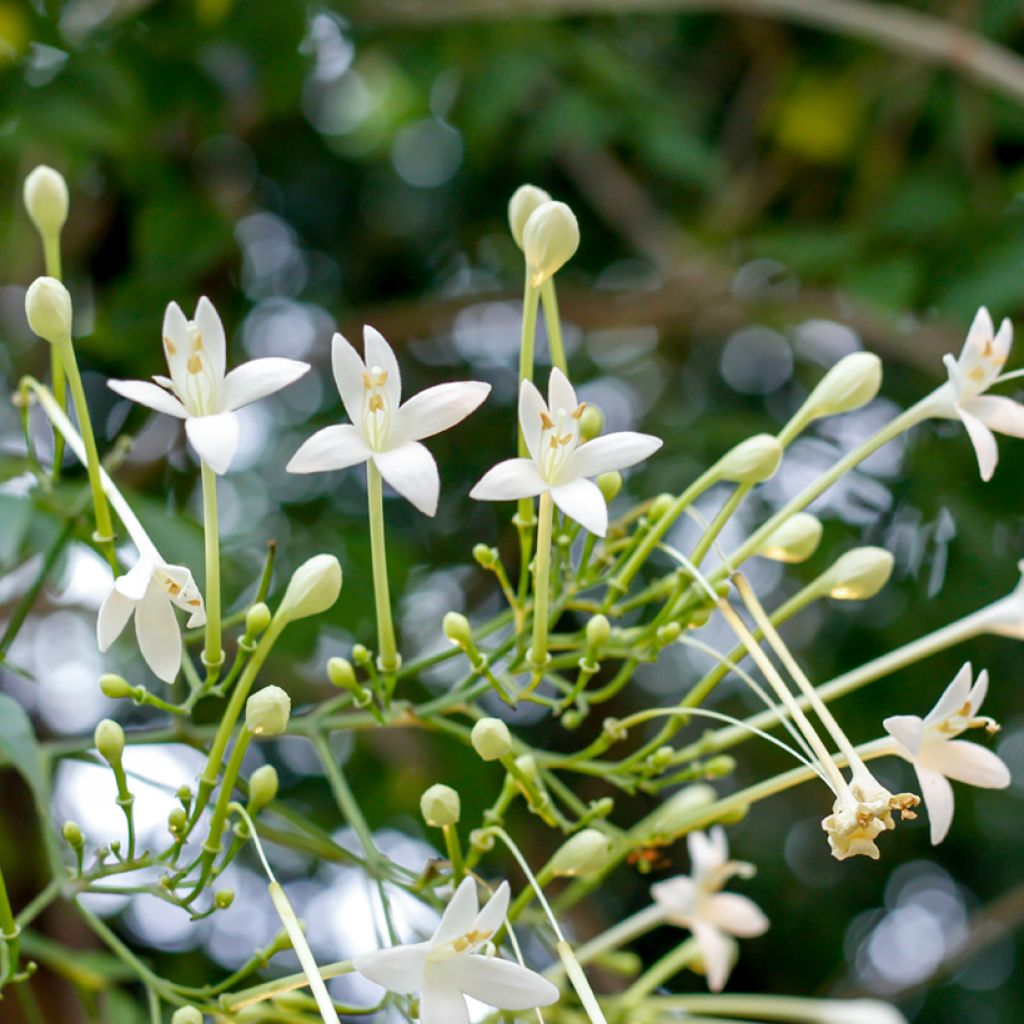
Millingtonia hortensis - Indian cork tree
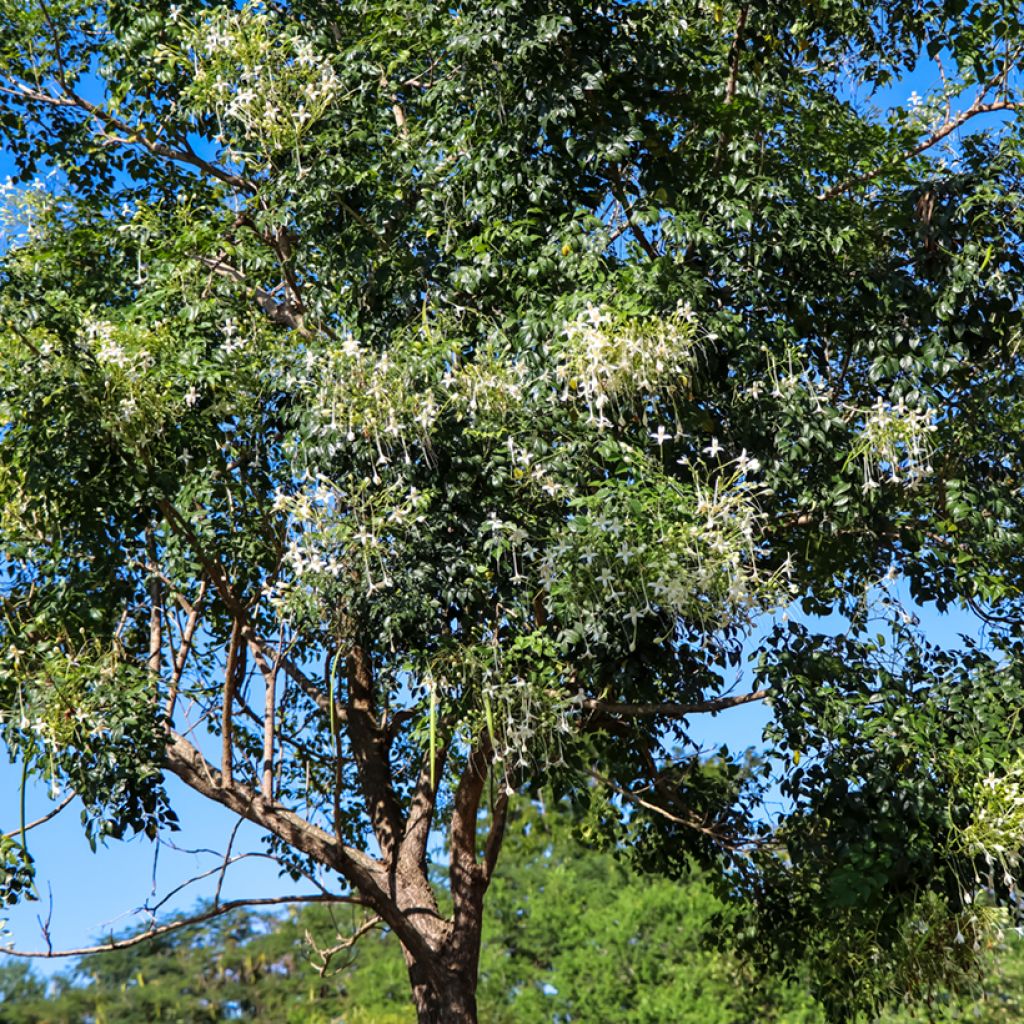
Millingtonia hortensis - Indian cork tree
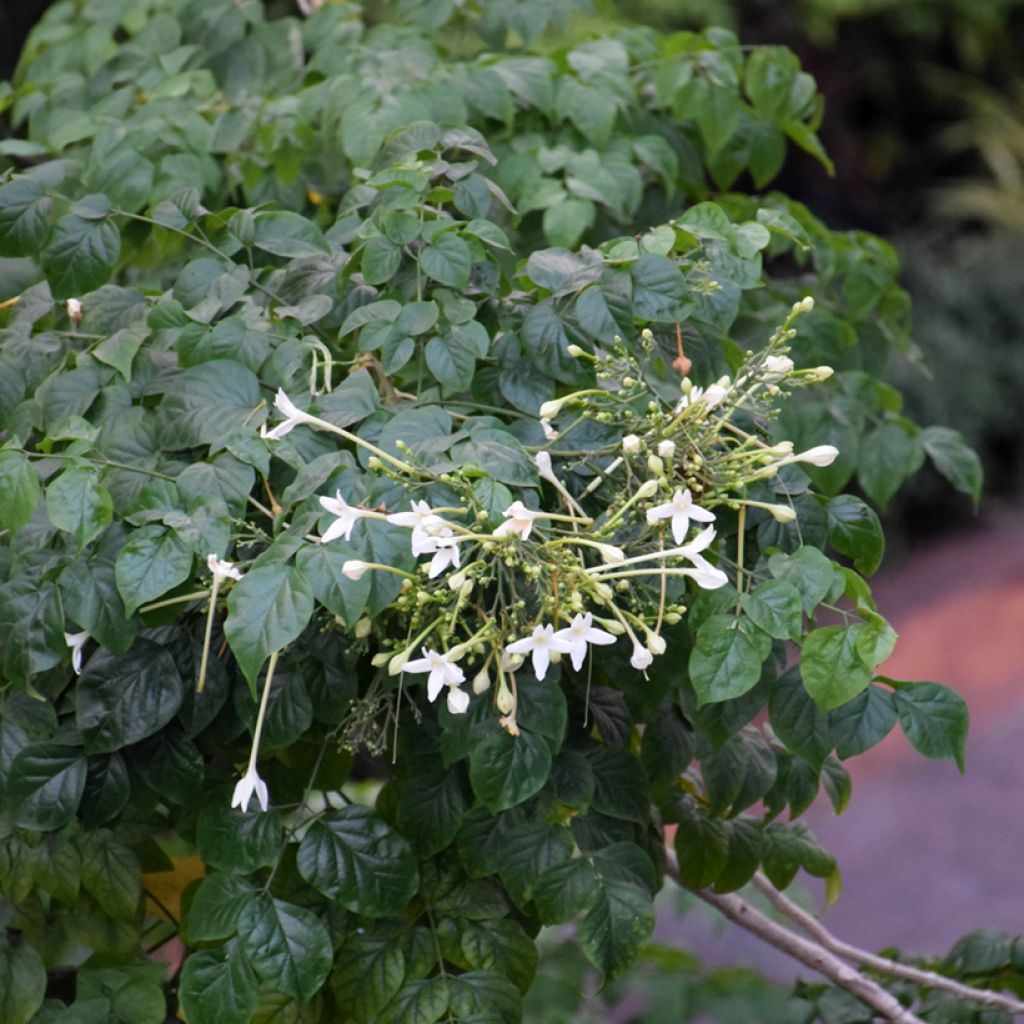
Millingtonia hortensis - Indian cork tree
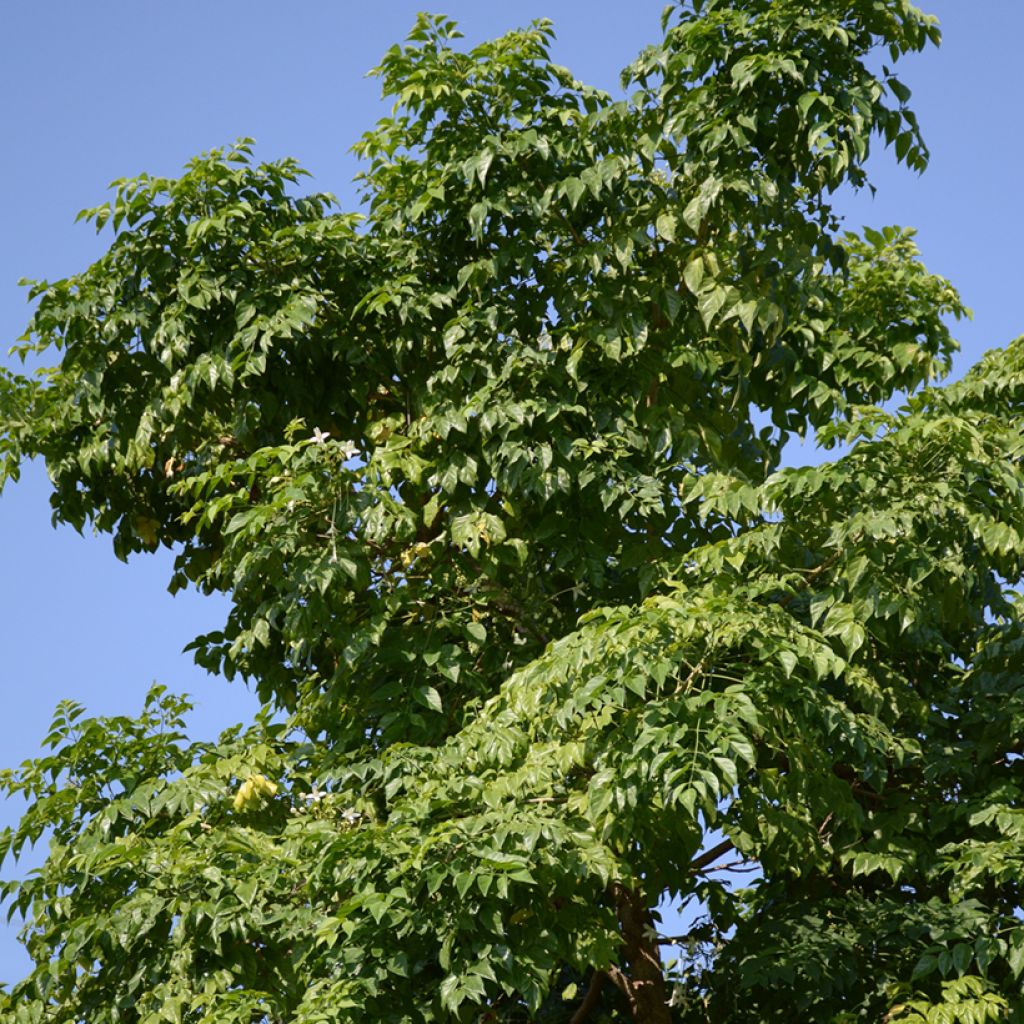
Millingtonia hortensis - Indian cork tree
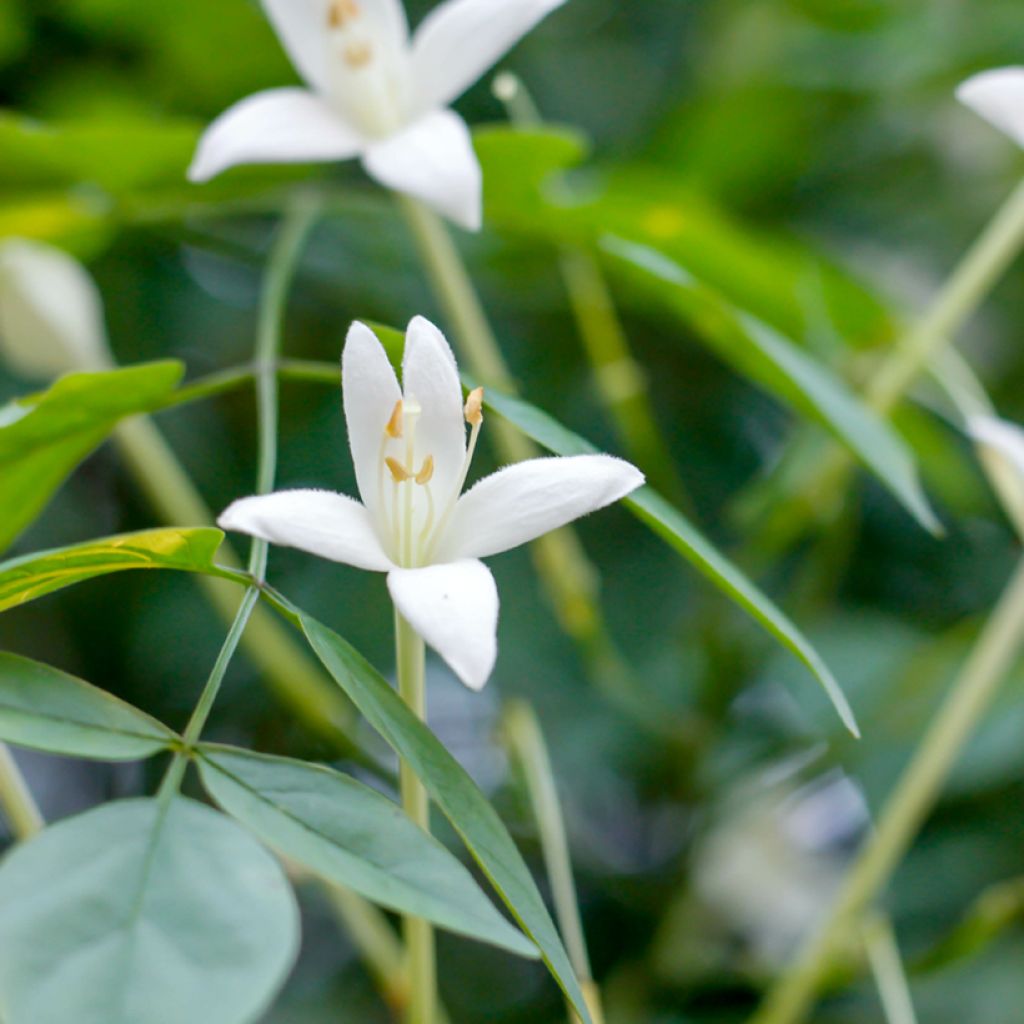
Millingtonia hortensis - Indian cork tree
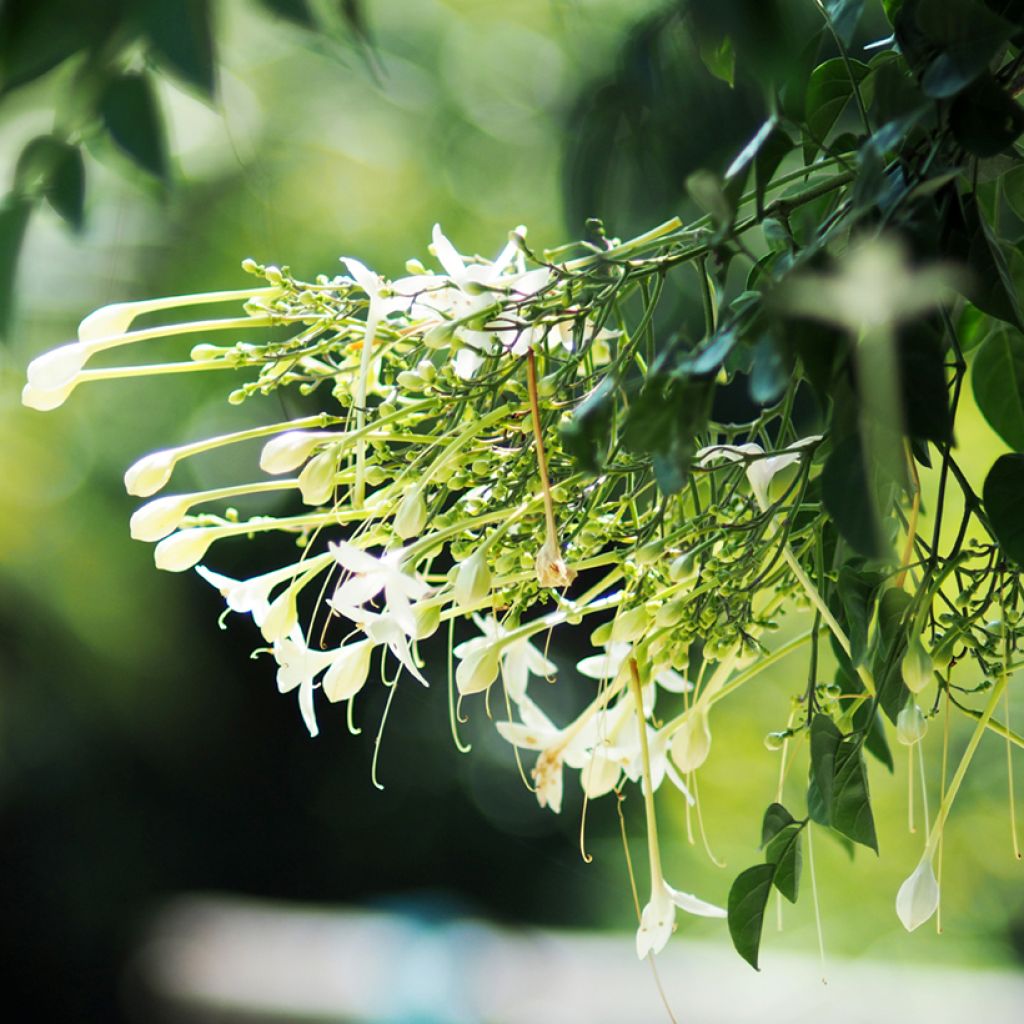
Millingtonia hortensis - Indian cork tree
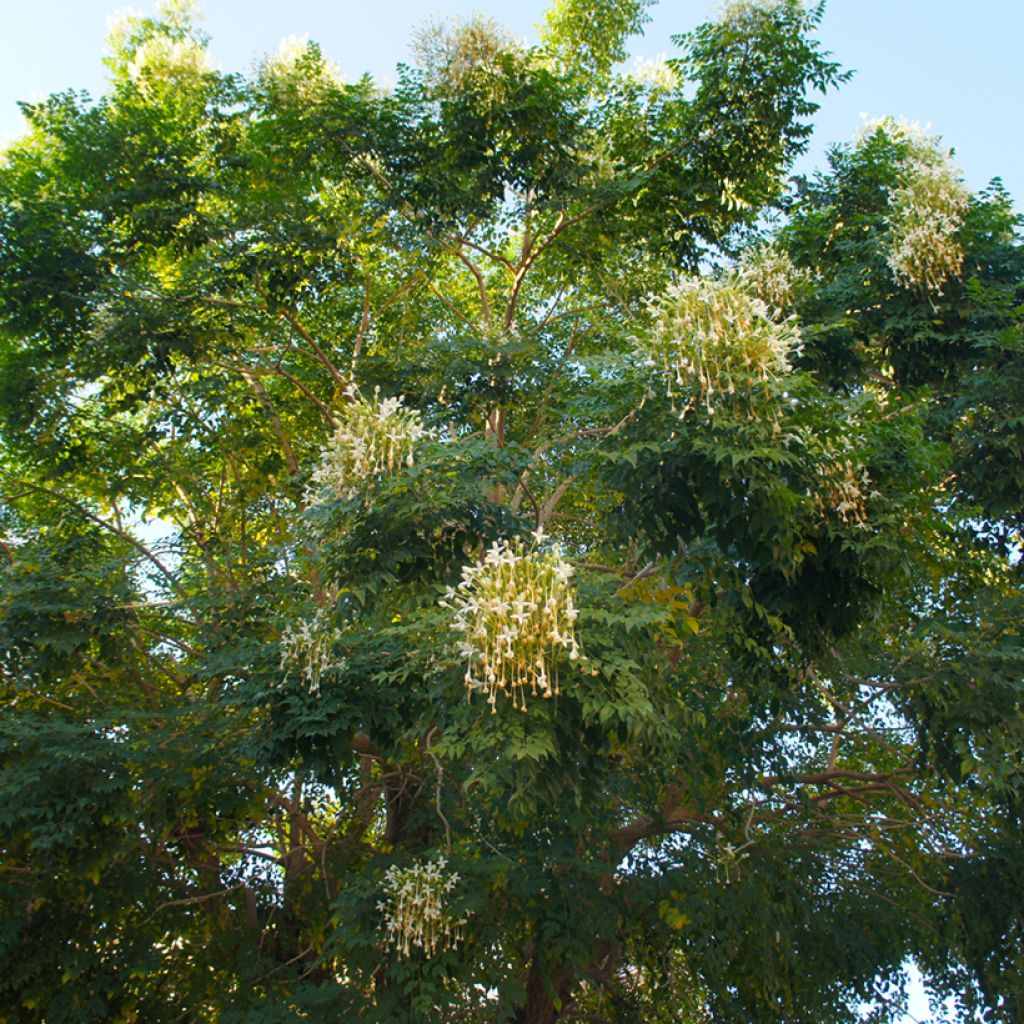
Millingtonia hortensis - Indian cork tree
Millingtonia hortensis - Indian cork tree
Millingtonia hortensis
Indian cork tree
Back-to-school special offer!
Get €10 off for every €50 you spend! And get up to €40 off on a single order.
How does it work?
1. Shop your favourites
Add your favourite plants to your basket. For every €50 you spend (excluding delivery charges, store credit and the plastic-free option), you’ll receive a €10 voucher.
€50 spent = €10 voucher
€100 spent = €20 voucher
€150 spent = €30 voucher
€200 spent = €40 voucher
2. Place your order
Once your basket reaches one of the spending thresholds, place your order. You can even choose your delivery date!
3. Receive your voucher
As soon as your order has been shipped, you’ll receive an email containing your personal voucher code and its value.
4. Use it on your next order
Your voucher is valid for 90 days from the date you receive it. It can be used once only, on a new order worth at least the value of the voucher, excluding delivery charges.
Please note: Vouchers can be combined with other offers, but cannot be split or refunded.
Why not try an alternative variety in stock?
View all →
Available in 1 sizes
Available in 3 sizes
Available in 1 sizes

Available in 2 sizes

Available in 1 sizes

Available in 1 sizes
Available in 1 sizes
Available in 1 sizes
Available in 1 sizes
Available in 1 sizes
This plant carries a 24 months recovery warranty
More information
We guarantee the quality of our plants for a full growing cycle, and will replace at our expense any plant that fails to recover under normal climatic and planting conditions.
Would this plant suit my garden?
Set up your Plantfit profile →
Description
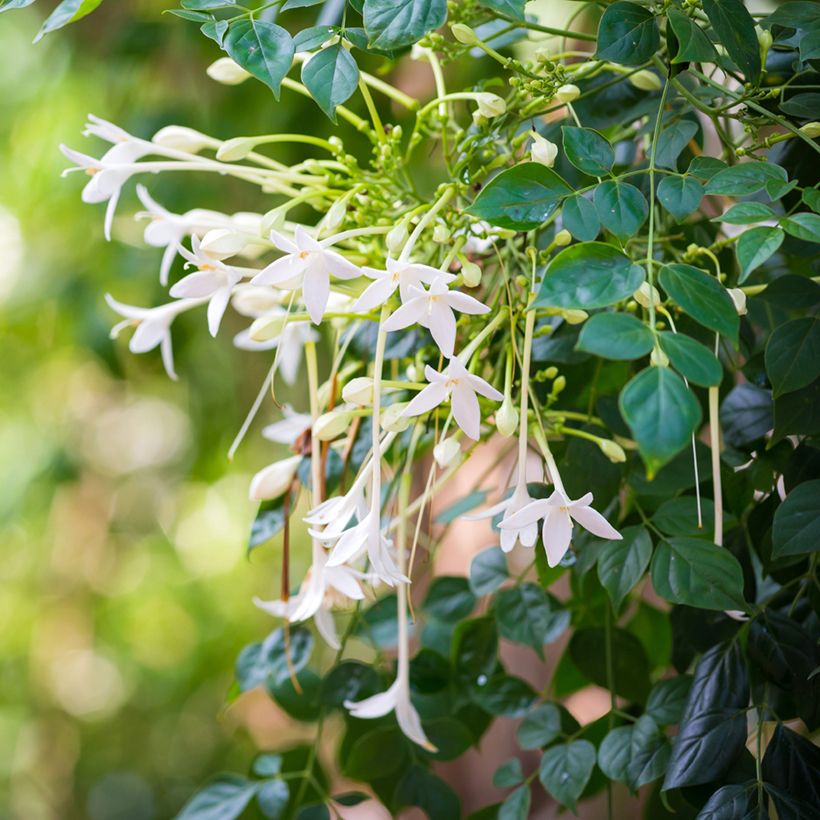
Millingtonia hortensis, also known as the Tree Jasmine or Indian Cork Tree, is a tropical tree native to South and Southeast Asia. With a slender habit, it bears delicate foliage and produces clusters of white flowers resembling those of jasmine. They emit a delightful nocturnal fragrance. Adapted to warm and humid climates, this plant thrives between 15 and 35°C and cannot tolerate frost. In Mediterranean regions, it is still difficult to grow it in the ground, but it can be cultivated in a large pot to be overwintered in a sheltered spot. On summer evenings on the terrace, this curious jasmine will amaze your visitors!
Millingtonia hortensis belongs to the Bignoniaceae family. Native to South and Southeast Asia, particularly India, southern China, Indochina, Malaysia, and Indonesia, it is the sole representative of the Millingtonia genus. In its natural habitat, it is mainly found in humid tropical forests and lowland wooded areas. This fast-growing tree reaches, in the wild and under a tropical climate, a height of 18 to 25 m with a spread of 7 to 11 m. Of course, when grown in a container, its development will be more modest. Its habit is slender and pyramidal, with an elegant silhouette. The straight and cylindrical trunk is covered with a greyish, thick, and fissured cork bark, hence its nickname Indian cork tree. The yellowish-white wood is relatively soft and may break under strong winds. The foliage of the Tree Jasmine persists year-round. It consists of odd-pinnate leaves, meaning they are divided into an odd number of leaflets. Each leaf, measuring between 15 and 50 cm in length, comprises several ovate to lanceolate, 4 to 8 cm long leaflets with slightly toothed edges and a smooth surface. These leaves give the tree a light and airy appearance. The remarkable flowering occurs in spring and summer in our climate. The white, tubular flowers are grouped in large terminal panicles. They only open at night and release an intense and very pleasant fragrance. Each flower is about 5 cm long and has a corolla shaped like a long trumpet flaring into five lobes, with four stamens featuring parallel anthers, a distinctive characteristic within the Bignoniaceae. The fruits are pendulous, smooth, flat and elongated capsules, measuring 30 to 60 cm in length. When ripe, these capsules split longitudinally to release numerous winged seeds, aiding their dispersal by wind. In cultivation, the viability of the seeds is low if not sown immediately after the fruit's ripening.
Millingtonia hortensis is commonly planted in gardens and parks in tropical and subtropical regions for its ornamental qualities and pleasant shade. In our climates, you can attempt to acclimatise it in very sheltered gardens in southern Europe. It only adapts to USDA zones 10 and 11 (frost-free). Everywhere else, it is essential to grow it in a container and overwinter it in a conservatory or greenhouse. In a patio or near a seating area, it diffuses its enchanting fragrance during summer evenings. It also fits perfectly in a bright winter garden, where its delicate foliage and corky bark bring a tropical ambience year-round. To complement its graceful silhouette, pair it with a Strelitzia nicolai, a Cycas revoluta, and a Brugmansia arborea, for example. The latter, with its large, pendulous, and fragrant flowers, will enhance the enchanting character of the Millingtonia.
Report an error about the product description
Millingtonia hortensis - Indian cork tree in pictures
Plant habit
Flowering
Foliage
Botanical data
Millingtonia
hortensis
Bignognaceae
Indian cork tree
Bignonia hortensis, Bignonia suberosa, Nevrilis suberosa
India, Southeast Asia
Planting and care
Millingtonia hortensis, or Tree Jasmine, is a tropical tree that requires special care in cultivation, especially due to its sensitivity to cold.
Container cultivation: Ideal for regions with cool or cold winters, growing in a pot helps protect Millingtonia hortensis from low temperatures. Choose a large container with drainage holes to prevent excess moisture. Use a well-draining substrate, composed of a mix of potting compost, garden soil and sand. Place the pot in a sunny spot, receiving at least 6 to 8 hours of direct light per day. Water regularly, keeping the substrate slightly moist but not waterlogged. In winter, move the pot into a conservatory or slightly heated greenhouse to protect it from frost.
Outdoor cultivation: Reserved for regions with very mild, warm and humid climates, planting in the ground requires a sunny location sheltered from cold winds. The soil should be deep, fertile and well-drained. Before planting, enrich the soil with well-rotted compost. Water regularly during the first few years to encourage root establishment, then reduce watering once the tree is well established.
Planting period
Intended location
Care
Planting & care advice
-

-

-
-

-
-
-

-
This item has not been reviewed yet - be the first to leave a review about it.
Recently viewed products
Haven't found what you were looking for?
Hardiness is the lowest winter temperature a plant can endure without suffering serious damage or even dying. However, hardiness is affected by location (a sheltered area, such as a patio), protection (winter cover) and soil type (hardiness is improved by well-drained soil).

The flowering period indicated on our website applies to countries and regions located in USDA zone 8 (France, the United Kingdom, Ireland, the Netherlands, etc.)
It will vary according to where you live:- In zones 9 to 10 (Italy, Spain, Greece, etc.), flowering will occur about 2 to 4 weeks earlier.
- In zones 6 to 7 (Germany, Poland, Slovenia, and lower mountainous regions), flowering will be delayed by 2 to 3 weeks.
- In zone 5 (Central Europe, Scandinavia), blooming will be delayed by 3 to 5 weeks.
In temperate climates, pruning of spring-flowering shrubs (forsythia, spireas, etc.) should be done just after flowering.
Pruning of summer-flowering shrubs (Indian Lilac, Perovskia, etc.) can be done in winter or spring.
In cold regions as well as with frost-sensitive plants, avoid pruning too early when severe frosts may still occur.
The planting period indicated on our website applies to countries and regions located in USDA zone 8 (France, United Kingdom, Ireland, Netherlands).
It will vary according to where you live:
- In Mediterranean zones (Marseille, Madrid, Milan, etc.), autumn and winter are the best planting periods.
- In continental zones (Strasbourg, Munich, Vienna, etc.), delay planting by 2 to 3 weeks in spring and bring it forward by 2 to 4 weeks in autumn.
- In mountainous regions (the Alps, Pyrenees, Carpathians, etc.), it is best to plant in late spring (May-June) or late summer (August-September).
The harvesting period indicated on our website applies to countries and regions in USDA zone 8 (France, England, Ireland, the Netherlands).
In colder areas (Scandinavia, Poland, Austria...) fruit and vegetable harvests are likely to be delayed by 3-4 weeks.
In warmer areas (Italy, Spain, Greece, etc.), harvesting will probably take place earlier, depending on weather conditions.
The sowing periods indicated on our website apply to countries and regions within USDA Zone 8 (France, UK, Ireland, Netherlands).
In colder areas (Scandinavia, Poland, Austria...), delay any outdoor sowing by 3-4 weeks, or sow under glass.
In warmer climes (Italy, Spain, Greece, etc.), bring outdoor sowing forward by a few weeks.
Shipping country and language
Your country of residence may be:
Your country of residence is:
For a better user experience on our website, you can select:
Your shipping country:
-
 Austria
-
 Belgium
-
 Bosnia & Herzegovina
-
 Bulgaria
-
 Croatia
-
 Cyprus
-
 Czechia
-
 Denmark
-
 Estonia
-
 Finland
-
 France
-
 Germany
-
 Greece
-
 Hungary
-
 Iceland
-
 Ireland
-
 Italy
Italy
-
 Latvia
-
 Liechtenstein
-
 Lithuania
-
 Luxembourg
-
 Malta
Malta
-
 Netherlands
-
 Poland
-
 Portugal
-
 Romania
-
 Serbia
-
 Slovakia
-
 Slovenia
-
 Spain
Spain
-
 Sweden
-
 Switzerland
Language:
-
French
-
 English
-
Spanish
-
Italian
-
German
-
Portuguese
-
Dutch
-
Finnish
My Account
Hello
My wish lists
My cart
Log in / Register
Existing customer?
This form is protected by reCAPTCHA - the Google Privacy Policy and Terms of Service apply.
New customer?
Create an account to track your orders, access our customer service and, if you wish, make the most of our upcoming offers.