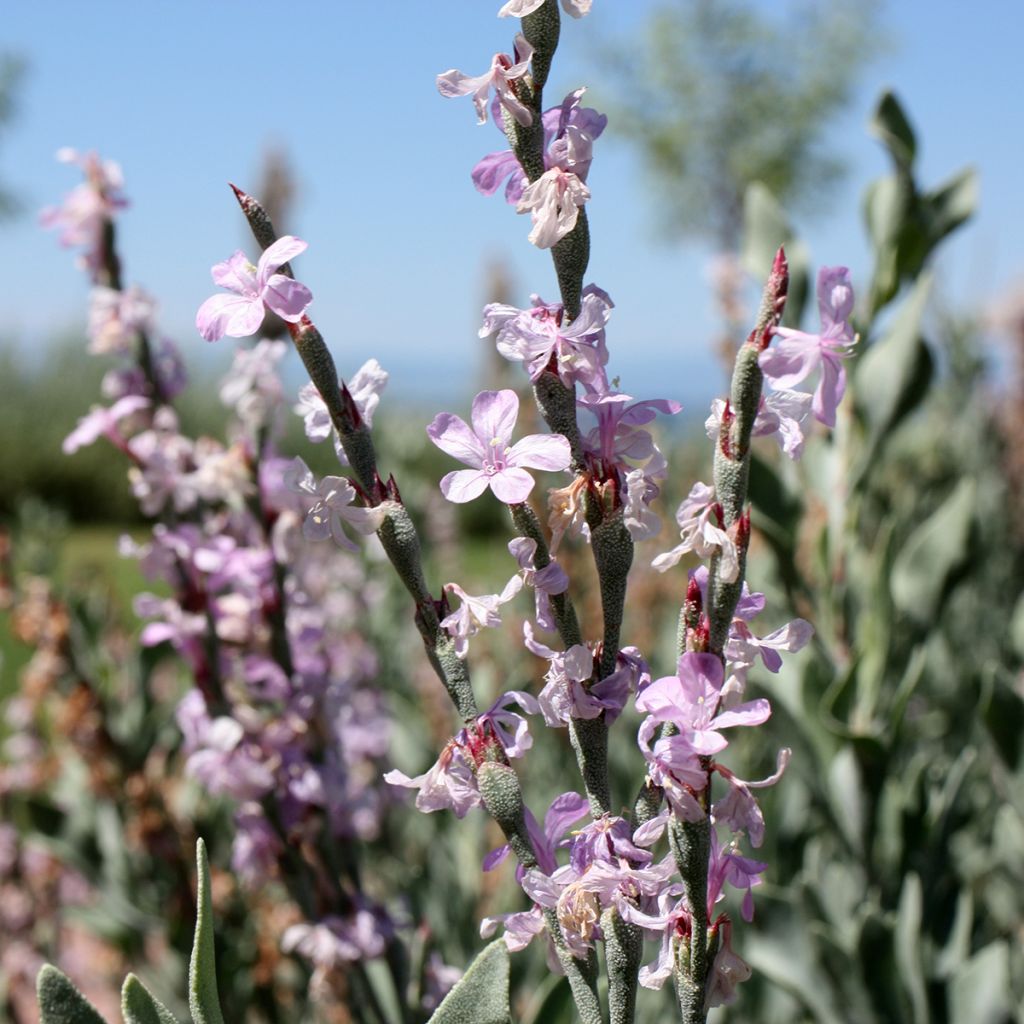
Limoniastrum monopetalum
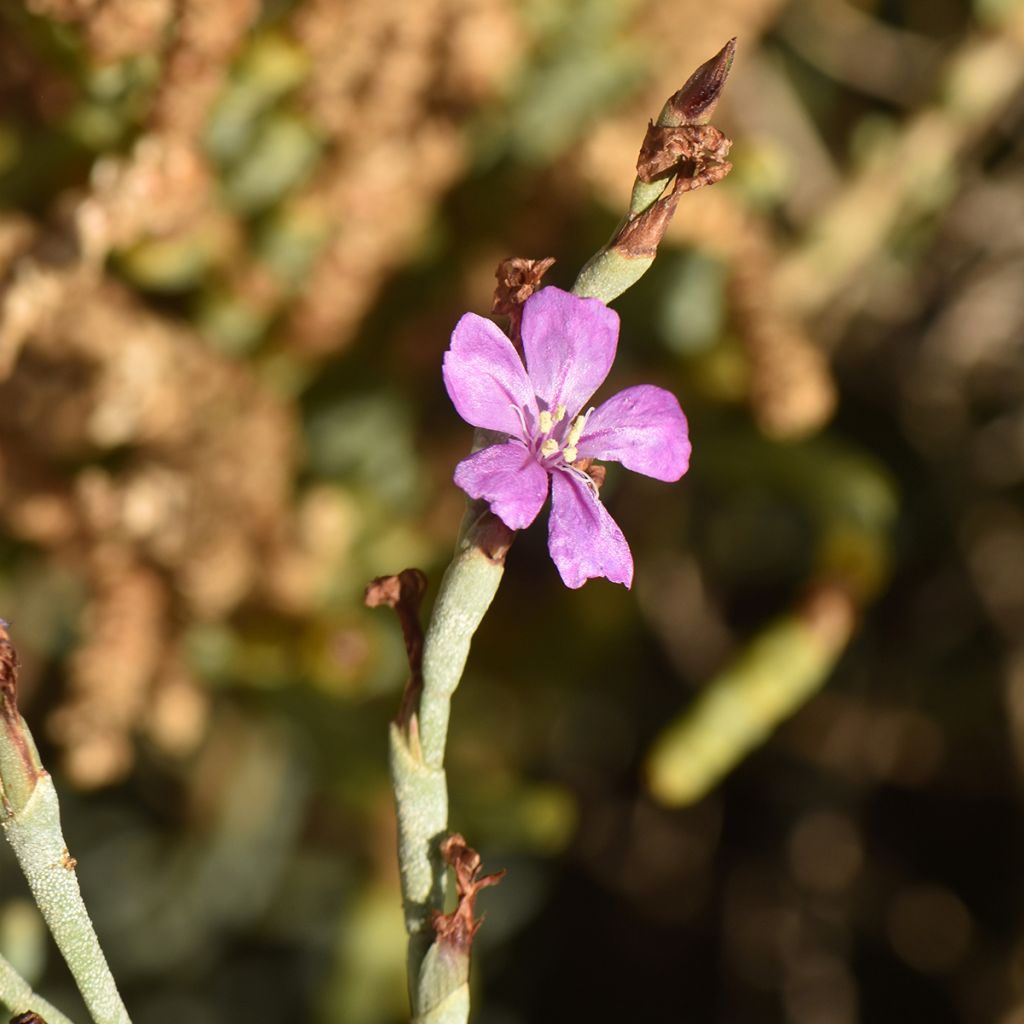
Limoniastrum monopetalum
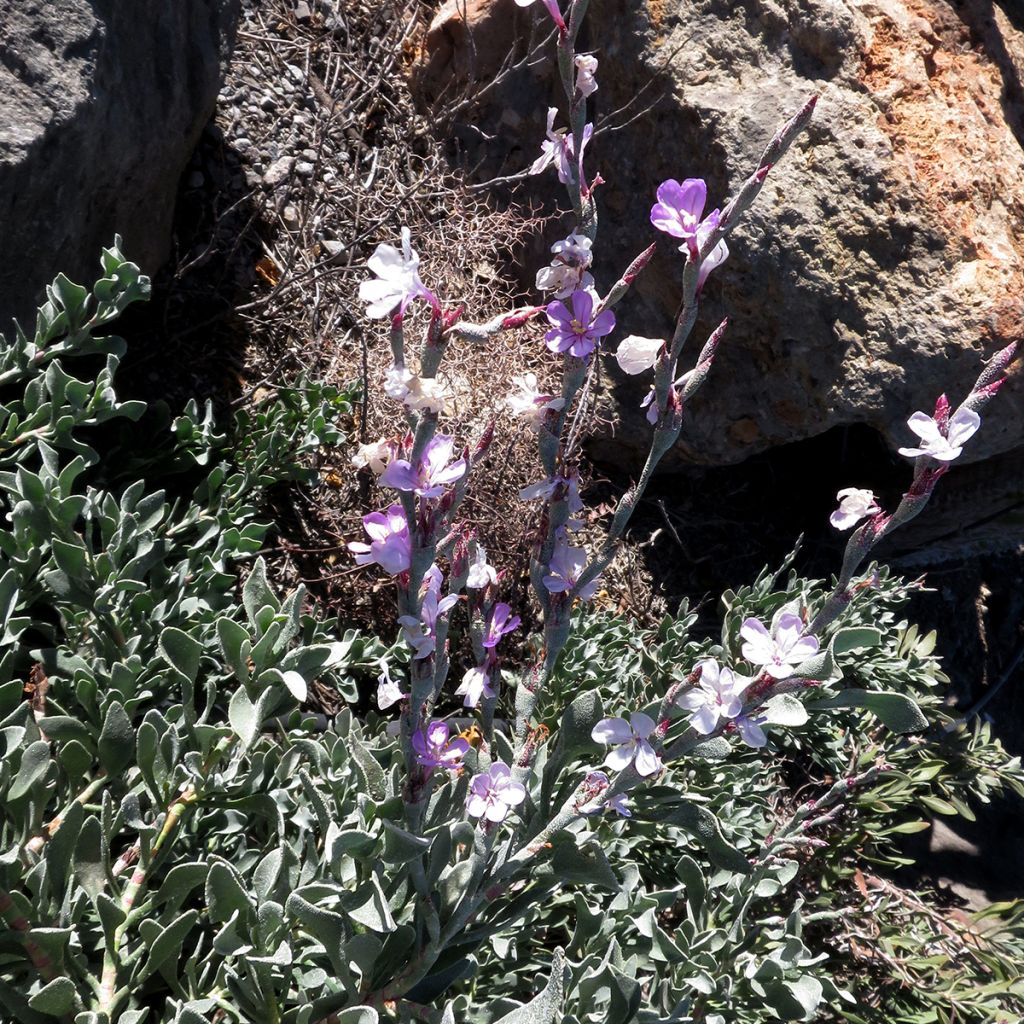
Limoniastrum monopetalum
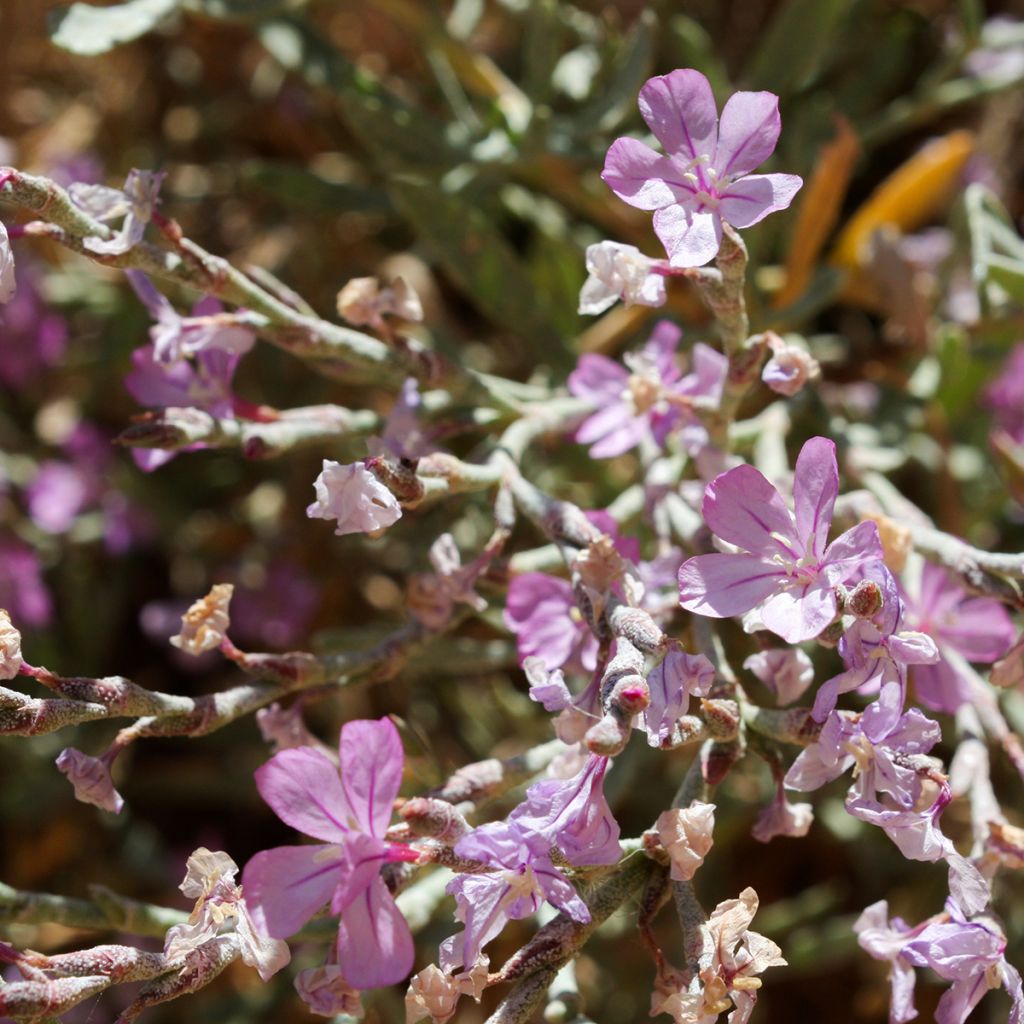
Limoniastrum monopetalum
Limoniastrum monopetalum
Limoniastrum monopetalum
The Limoniastrum monopetalum I received appears healthy. Planted along the edge, under a Prunus laurocerasus Caucasica, I am now waiting for it to take root... or not?
Thierry, 29/12/2023
Back-to-school special offer!
Get €10 off for every €50 you spend! And get up to €40 off on a single order.
How does it work?
1. Shop your favourites
Add your favourite plants to your basket. For every €50 you spend (excluding delivery charges, store credit and the plastic-free option), you’ll receive a €10 voucher.
€50 spent = €10 voucher
€100 spent = €20 voucher
€150 spent = €30 voucher
€200 spent = €40 voucher
2. Place your order
Once your basket reaches one of the spending thresholds, place your order. You can even choose your delivery date!
3. Receive your voucher
As soon as your order has been shipped, you’ll receive an email containing your personal voucher code and its value.
4. Use it on your next order
Your voucher is valid for 90 days from the date you receive it. It can be used once only, on a new order worth at least the value of the voucher, excluding delivery charges.
Please note: Vouchers can be combined with other offers, but cannot be split or refunded.
Why not try an alternative variety in stock?
View all →
Available in 1 sizes
Available in 1 sizes

Available in 1 sizes

Available in 1 sizes
Available in 1 sizes
Available in 1 sizes

Available in 1 sizes
Available in 1 sizes
Available in 1 sizes

Available in 1 sizes
This plant carries a 24 months recovery warranty
More information
We guarantee the quality of our plants for a full growing cycle, and will replace at our expense any plant that fails to recover under normal climatic and planting conditions.

Would this plant suit my garden?
Set up your Plantfit profile →
Description
Limoniastrum monopetalum, also known as the Great sea lavender or Sea lavender, is a sub-shrub of the Mediterranean coast that is becoming rare, protected in France, and its propagation is regulated. It is a beautiful plant with a spreading bushy habit, lovely glaucous evergreen foliage in winter, and a long mauve flowering in summer. It deserves to be welcomed in the garden, especially in very dry regions where it excels. It is a perfect companion for dune plants. You can plant it in full sun in rockeries, on slopes, in elevated flower beds, where the soil is well-drained.
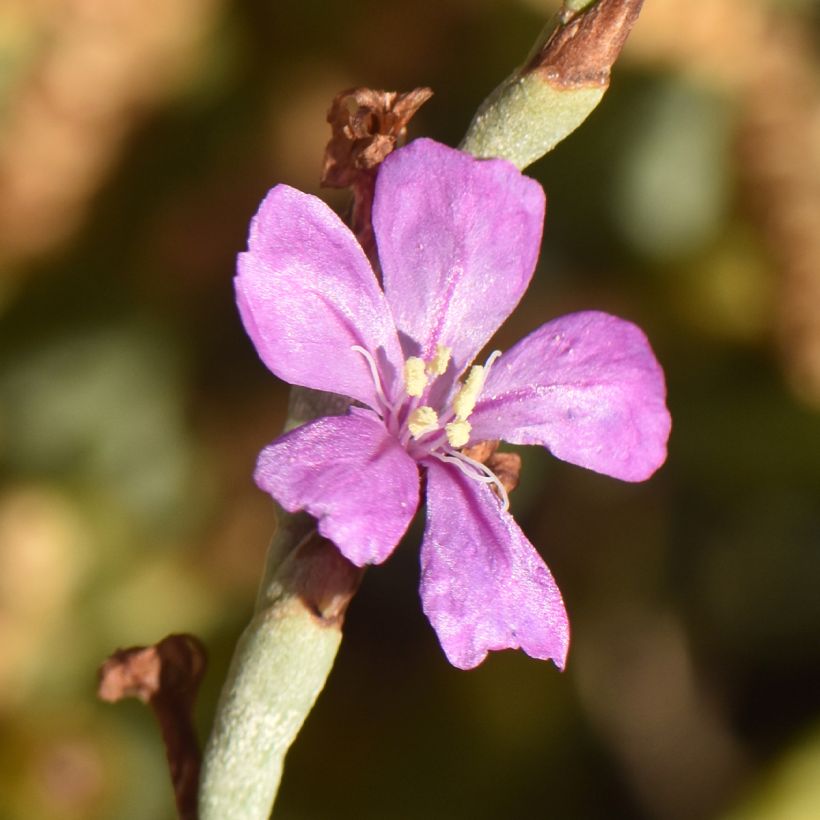
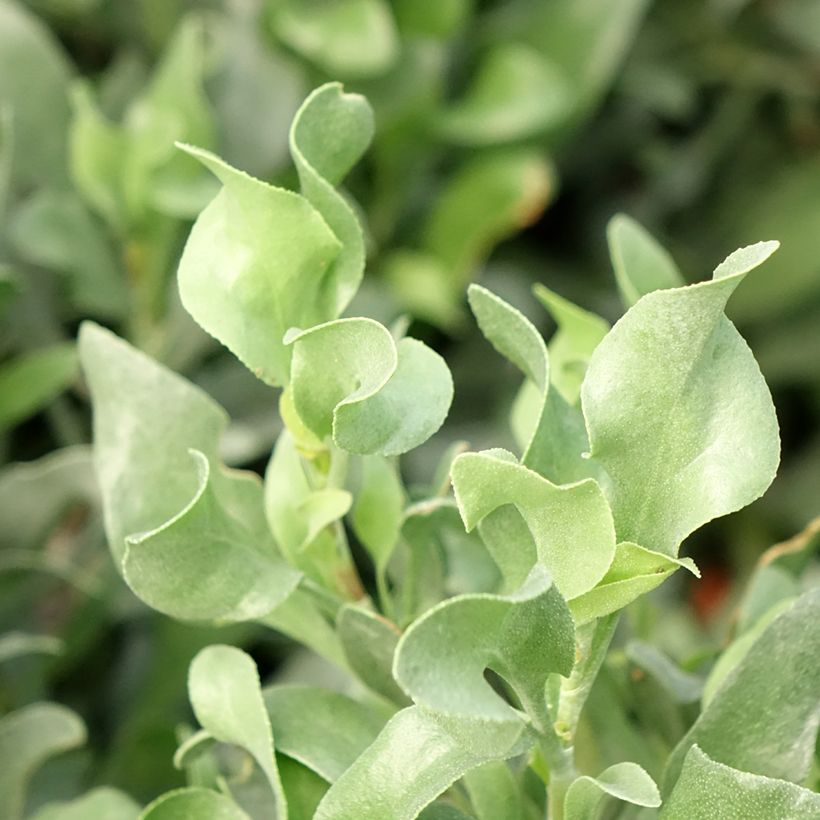
Limoniastrum monopetalum is a small bush of the Plumbaginaceae family. It is endemic to the coasts of Languedoc-Roussillon, Provence-Côte d'Azur, present in Corsica, in southern European countries, and naturalized in the Balearic Islands and North Africa. Its natural habitat, threatened by the pressure of tourist developments on the Mediterranean coast, corresponds to sandy beaches and dunes and stony, even chalky soils. It is a plant well adapted to drought that still tolerates cold temperatures quite well under good growing conditions (down to -10/-12°C (14/10.4 °F) at its coldest). Sea lavender forms a fairly dense bush that reaches an average height of 75 cm (29.5 in) and a width of 80-90 cm. Its base is woody and its stems become rigid over time. The blue-green leaves are sometimes rough to the touch, especially near the sea, because the salt absorbed by the roots is excreted through the leaves. They are fleshy, leathery, narrow, slightly spatulate, upright, slightly embracing on the stems. This foliage persists in winter. Flowering begins in June and continues until August-September in the form of spikes appearing at the top of the stems. The flowers are grouped in pairs, have 5 petals and measure 1.5 cm (0.6 in) in diameter. Their mauve colour turns to mauve-pink and fades over time. After pollination, small pear-shaped fruits are formed.
Limoniastrum monopetalum is a plant perfectly adapted to coastal areas and drought. It can be used in rockeries, on well-drained slopes, but also in elevated flower beds to border an alley for example. In a dry garden, create a beautiful scene by mixing the foliage and scents of lavenders (blue, white, pink), rosemary (creeping or erect), Atriplex, Leucophyllums, cistus... Its association with Polygala myrtifolia and Teucrium fruticans Azureum is also very successful. It can also be grown in large pots, with good drainage and abundant but spaced watering, allowing the substrate to dry out between waterings.
Report an error about the product description
Limoniastrum monopetalum in pictures
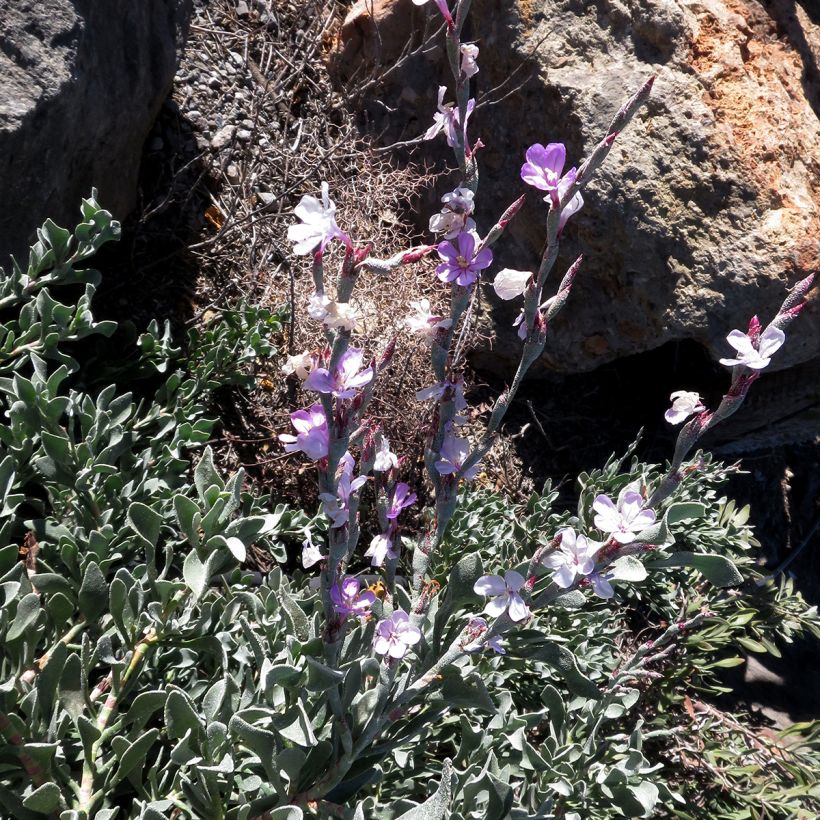
Plant habit
Flowering
Foliage
Botanical data
Limoniastrum
monopetalum
Plumbaginaceae
Mediterranean
Planting and care
Limoniastrum monopetalum is best planted in spring in regions that are not too dry in summer, but preferably in September-October in regions where summer is very dry and very hot. It requires a very sunny exposure and well-drained soil, ideally sandy or rocky. It tolerates limestone well. Planting on slopes, in rockeries or in a gravel bed is essential away from the seaside. This shrub withstands salt spray well. It is hardy down to -10/-12°C (14/10.4 °F), after 2 or 3 years of cultivation provided that the soil it is planted in is perfectly drained. Once well-rooted, it has excellent resistance to drought. Prune lightly after flowering to maintain a compact habit.
Pot cultivation: in a well-drained substrate, a mixture of potting soil, gravel, and garden soil. Use a container with drainage holes at the bottom and create a drainage layer composed of gravel, broken pottery shards, or clay pellets. Apply organic fertilizer in autumn. A plant cultivated in a pot should be regularly and deeply watered, but with intervals to allow the soil to dry out a little between waterings. Shelter your pot in winter, protected from heavy frost, in a bright but unheated space.
Planting period
Intended location
Care
Planting & care advice
-
-
-
-

-
-
-

-

-
, onOrder confirmed
Reply from on Promesse de fleurs
Recently viewed products
Haven't found what you were looking for?
Hardiness is the lowest winter temperature a plant can endure without suffering serious damage or even dying. However, hardiness is affected by location (a sheltered area, such as a patio), protection (winter cover) and soil type (hardiness is improved by well-drained soil).

The flowering period indicated on our website applies to countries and regions located in USDA zone 8 (France, the United Kingdom, Ireland, the Netherlands, etc.)
It will vary according to where you live:- In zones 9 to 10 (Italy, Spain, Greece, etc.), flowering will occur about 2 to 4 weeks earlier.
- In zones 6 to 7 (Germany, Poland, Slovenia, and lower mountainous regions), flowering will be delayed by 2 to 3 weeks.
- In zone 5 (Central Europe, Scandinavia), blooming will be delayed by 3 to 5 weeks.
In temperate climates, pruning of spring-flowering shrubs (forsythia, spireas, etc.) should be done just after flowering.
Pruning of summer-flowering shrubs (Indian Lilac, Perovskia, etc.) can be done in winter or spring.
In cold regions as well as with frost-sensitive plants, avoid pruning too early when severe frosts may still occur.
The planting period indicated on our website applies to countries and regions located in USDA zone 8 (France, United Kingdom, Ireland, Netherlands).
It will vary according to where you live:
- In Mediterranean zones (Marseille, Madrid, Milan, etc.), autumn and winter are the best planting periods.
- In continental zones (Strasbourg, Munich, Vienna, etc.), delay planting by 2 to 3 weeks in spring and bring it forward by 2 to 4 weeks in autumn.
- In mountainous regions (the Alps, Pyrenees, Carpathians, etc.), it is best to plant in late spring (May-June) or late summer (August-September).
The harvesting period indicated on our website applies to countries and regions in USDA zone 8 (France, England, Ireland, the Netherlands).
In colder areas (Scandinavia, Poland, Austria...) fruit and vegetable harvests are likely to be delayed by 3-4 weeks.
In warmer areas (Italy, Spain, Greece, etc.), harvesting will probably take place earlier, depending on weather conditions.
The sowing periods indicated on our website apply to countries and regions within USDA Zone 8 (France, UK, Ireland, Netherlands).
In colder areas (Scandinavia, Poland, Austria...), delay any outdoor sowing by 3-4 weeks, or sow under glass.
In warmer climes (Italy, Spain, Greece, etc.), bring outdoor sowing forward by a few weeks.
Shipping country and language
Your country of residence may be:
Your country of residence is:
For a better user experience on our website, you can select:
Your shipping country:
-
 Austria
-
 Belgium
-
 Bosnia & Herzegovina
-
 Bulgaria
-
 Croatia
-
 Cyprus
-
 Czechia
-
 Denmark
-
 Estonia
-
 Finland
-
 France
-
 Germany
-
 Greece
-
 Hungary
-
 Iceland
-
 Ireland
-
 Italy
Italy
-
 Latvia
-
 Liechtenstein
-
 Lithuania
-
 Luxembourg
-
 Malta
Malta
-
 Netherlands
-
 Poland
-
 Portugal
-
 Romania
-
 Serbia
-
 Slovakia
-
 Slovenia
-
 Spain
Spain
-
 Sweden
-
 Switzerland
Language:
-
French
-
 English
-
Spanish
-
Italian
-
German
-
Portuguese
-
Dutch
-
Finnish
My Account
Hello
My wish lists
My cart
Log in / Register
Existing customer?
This form is protected by reCAPTCHA - the Google Privacy Policy and Terms of Service apply.
New customer?
Create an account to track your orders, access our customer service and, if you wish, make the most of our upcoming offers.