
Brassica oleracea Black Leaf seeds - Ornamental kale
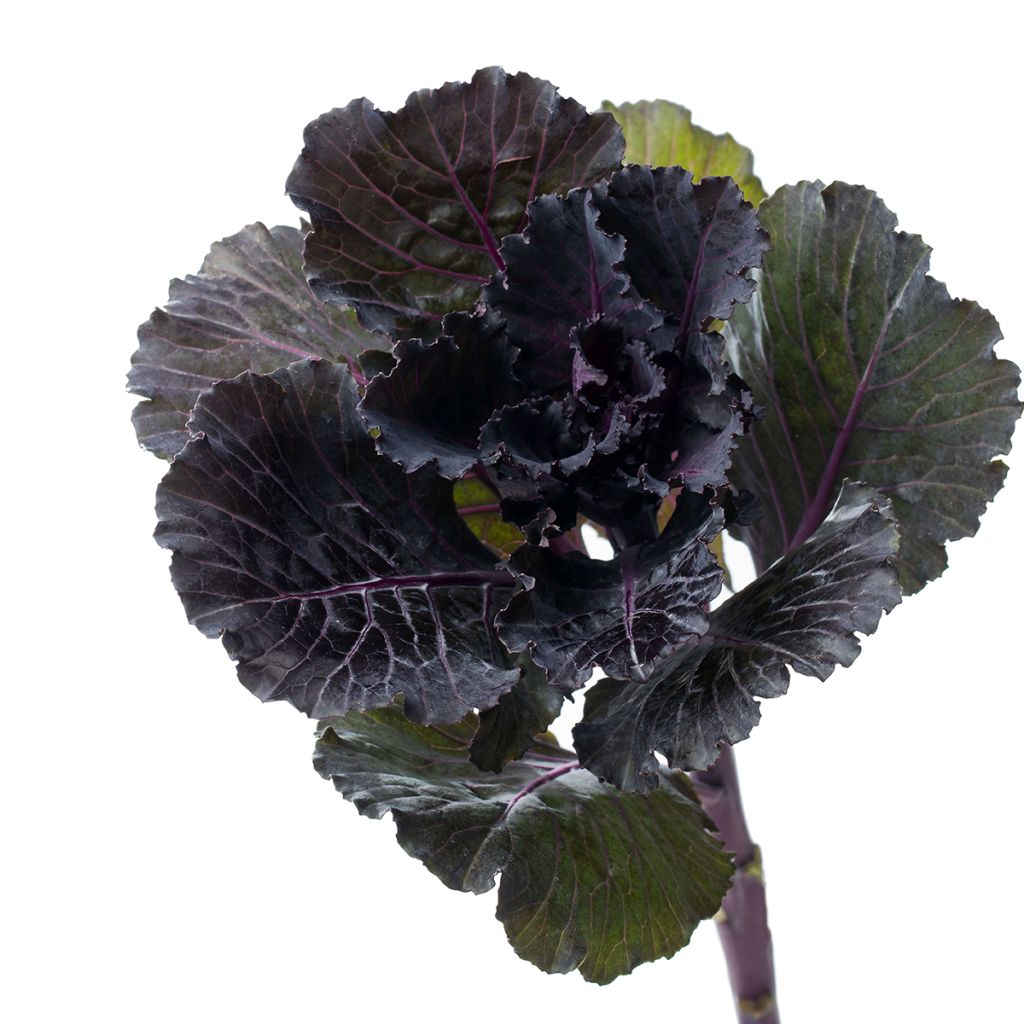
Brassica oleracea Black Leaf seeds - Ornamental kale
Brassica oleracea Black Leaf seeds - Ornamental kale
Brassica oleracea 'Black Leaf'
Ornamental kale
Back-to-school special offer!
Get €10 off for every €50 you spend! And get up to €40 off on a single order.
How does it work?
1. Shop your favourites
Add your favourite plants to your basket. For every €50 you spend (excluding delivery charges, store credit and the plastic-free option), you’ll receive a €10 voucher.
€50 spent = €10 voucher
€100 spent = €20 voucher
€150 spent = €30 voucher
€200 spent = €40 voucher
2. Place your order
Once your basket reaches one of the spending thresholds, place your order. You can even choose your delivery date!
3. Receive your voucher
As soon as your order has been shipped, you’ll receive an email containing your personal voucher code and its value.
4. Use it on your next order
Your voucher is valid for 90 days from the date you receive it. It can be used once only, on a new order worth at least the value of the voucher, excluding delivery charges.
Please note: Vouchers can be combined with other offers, but cannot be split or refunded.
Home or relay delivery (depending on size and destination)
Important: You may be charged customs duties by your country’s customs authorities upon delivery.
Schedule delivery date,
and select date in basket
This plant carries a 6 months recovery warranty
More information
We guarantee the quality of our plants for a full growing cycle, and will replace at our expense any plant that fails to recover under normal climatic and planting conditions.
Would this plant suit my garden?
Set up your Plantfit profile →
Description
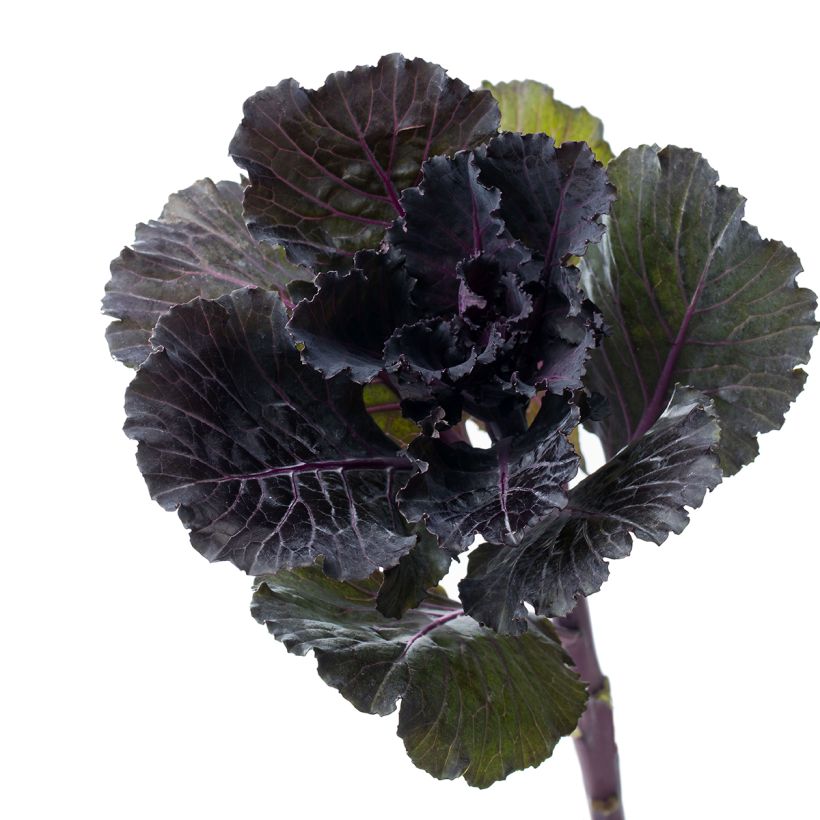
'Black Leaf' ornamental cabbage is an F1 hybrid variety with finely wavy leaves in a very dark purple, almost black. This cousin of kale from the vegetable patch (Brassica oleracea Acephala group) can decorate the garden or balcony from autumn until the heart of winter. Its rapid growth, good cold tolerance and impeccable performance in pots as well as in borders make it a reliable choice. The colour of its foliage intensifies as soon as the nights cool down.
Belonging to the Brassicaceae family, 'Black Leaf' ornamental cabbage is a horticultural variety intended more for ornament than for the kitchen. It is an exclusive selection from the Dutch company Evanthia. This variety is described as 'voluminous', with tightly packed, wavy and serrated leaves, in a purple-green so dark it appears black. It shows excellent cold tolerance and fits the standards of cut flower series while remaining highly decorative in a pot.
This cabbage forms a dense rosette in the first season (autumn-winter cultivation). In open ground, ornamental cabbages form clumps of 30 to 45cm in both height and width; in cut-flower production, this selection develops stems of 60 to 80cm bearing a compact terminal rosette. Growth is rapid: 14 to 16 weeks from sowing to the decorative stage. The foliage is evergreen throughout winter in temperate climates, with spatulate to obovate leaves, strongly wavy and toothed, 15 to 25cm long depending on vigour, with prominent purple veins. The decorative 'flowers' are not true flowers: flowering occurs in the second year, in spring in the form of small yellow flowers with 4 petals (cruciate) grouped in clusters.
Like all brassicas, ornamental cabbage can be subject to clubroot (Plasmodiophora brassicae) and bacteriosis (black rot); the risk of attack is limited by a long crop rotation, a neutral to slightly calcareous soil, regular but not excessive watering and good air circulation. The plant withstands frost well, down to about –15 °C.
'Black Leaf' works well in an autumn-winter border, an ornamental vegetable bed or in pots on a contemporary terrace. In a container, create a long-lasting scene from September to February with pansies (Viola × wittrockiana), a bright sedge like 'Evergold' and a purple heuchera such as 'Obsidian' or 'Black Pearl'; its ample, very dark foliage enhances light tones and fine textures. Place it in small groups of 3 to 5 plants in a border, with light grasses (Pennisetum alopecuroides 'Red Heart', Calamagrostis ‘Karl Foerster’), tall autumn sedums and compact hardy chrysanthemums.
Please note: like all kale, it is edible, but ornamental selections are firmer and more bitter; it is best to harvest a few young leaves from untreated plants, finely sliced, to prepare a salad, a quick stir-fry or chips.
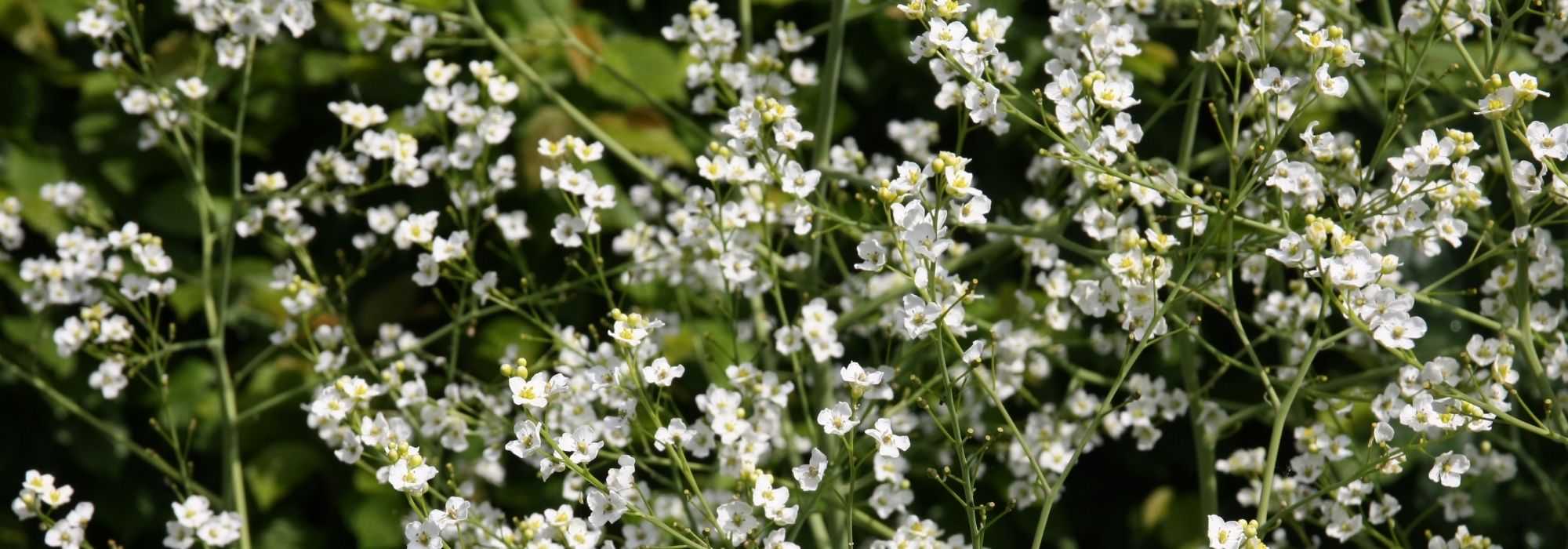
Brassica oleracea Black Leaf seeds - Ornamental kale in pictures
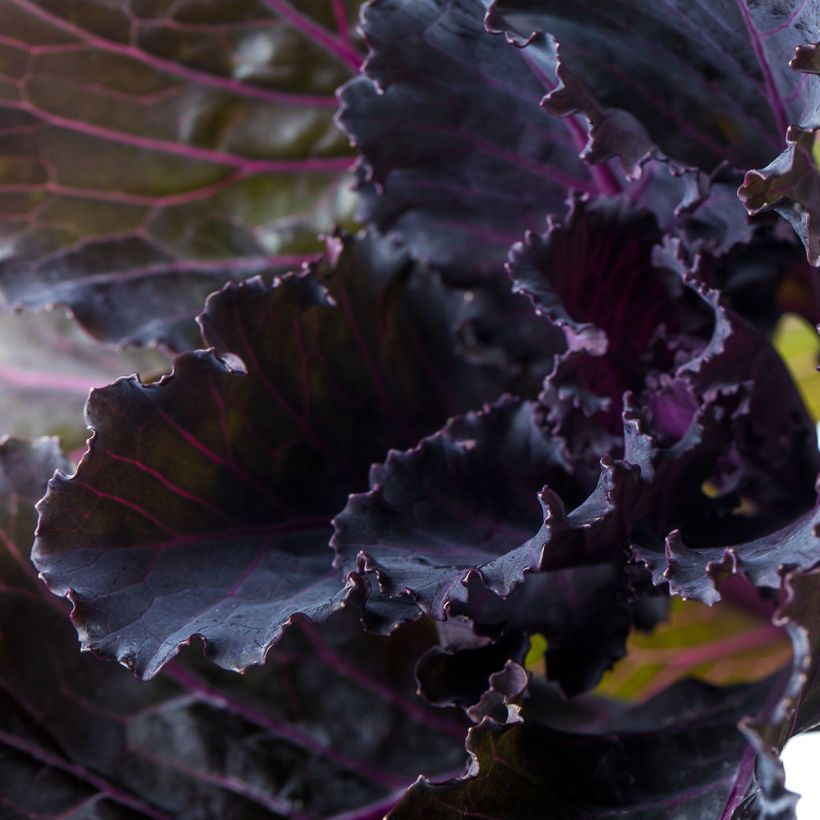
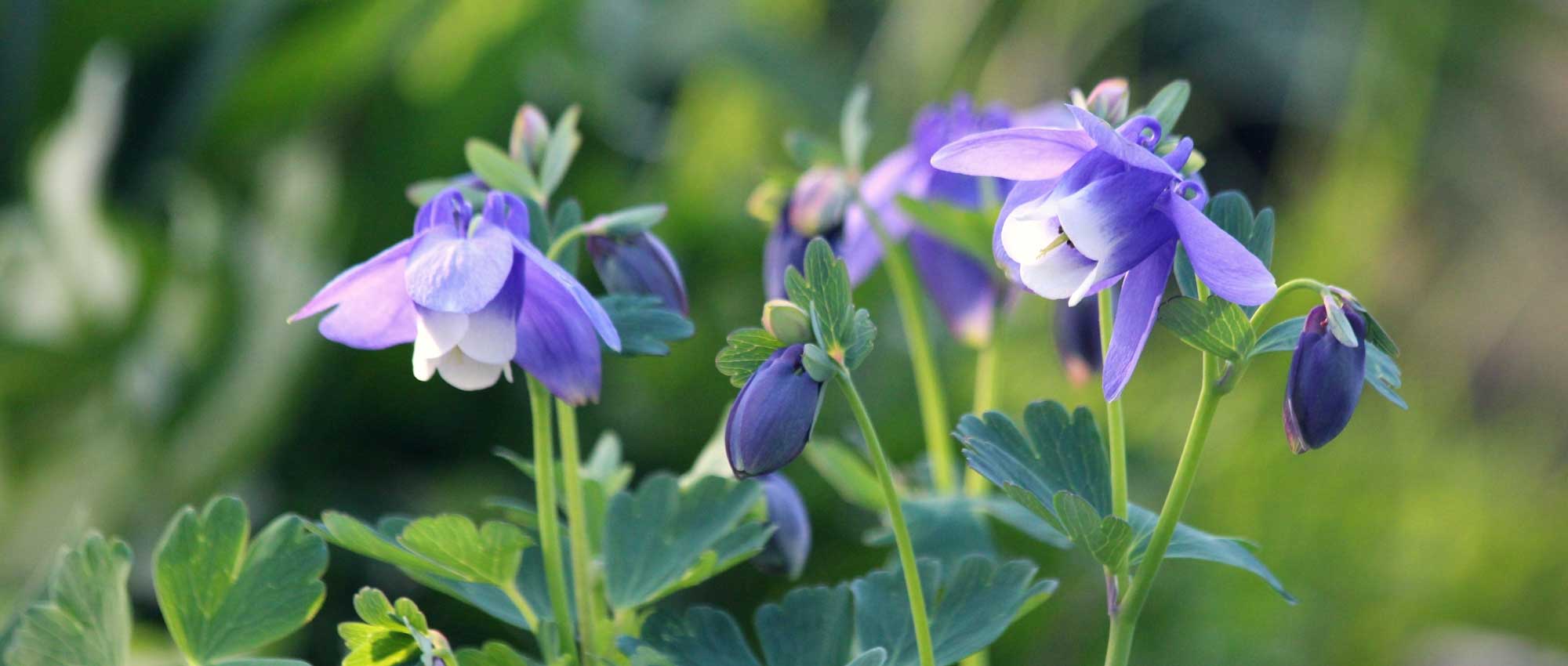
Foliage
Plant habit
Botanical data
Brassica
oleracea
'Black Leaf'
Brassicaceae
Ornamental kale
Brassica oleracea F1 'Black Leaf'
Cultivar or hybrid
Planting and care
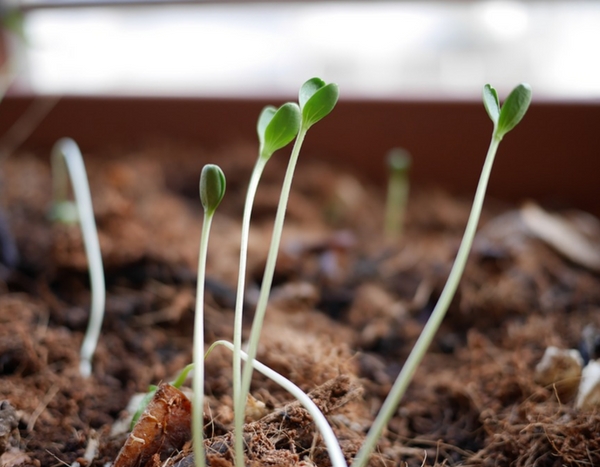
Sow Black Leaf kale from mid-April to late May under cover at 18–21°C, in a seed tray or plugs, in a fine, slightly moist substrate; germination takes place in 3 to 7 days.
Prick out into pots at the 2–3 true leaf stage, then harden off your young plants one week before planting out.
Plant out from late May to late July, in full sun, in fertile, deep, well-drained soil that is neutral to slightly calcareous; firm the soil well at the collar and water to eliminate air pockets.
Space your plants 30 to 40cm apart for borders and containers.
To obtain long stems for cutting, grow more densely (15–20 cm) and remove a few lower leaves during growth.
Apply a balanced fertiliser at the start, then choose fertilisers rich in potassium and calcium; limit nitrogen applications in late summer to promote autumnal colouring.
Keep the soil moist with a mulch, water regularly without excess, especially in containers. The colouring intensifies when night temperatures drop below 10°C; once established, the plants commonly tolerate frosts close to –15°C.
Watch out for flea beetles, aphids and cabbage white caterpillars; protect young plants with insect netting if necessary and follow a crop rotation of at least 4 years to avoid clubroot.
In pots, choose a deep container, a rich substrate, and water consistently until the first frosts; do not pinch out.
Allow approximately 14 to 16 weeks from sowing to obtaining decorative plants.
Sowing period
Intended location
Planting & care advice
-
-

-

-
-
-

-

-

This item has not been reviewed yet - be the first to leave a review about it.
Recently viewed products
Haven't found what you were looking for?
Hardiness is the lowest winter temperature a plant can endure without suffering serious damage or even dying. However, hardiness is affected by location (a sheltered area, such as a patio), protection (winter cover) and soil type (hardiness is improved by well-drained soil).

The flowering period indicated on our website applies to countries and regions located in USDA zone 8 (France, the United Kingdom, Ireland, the Netherlands, etc.)
It will vary according to where you live:- In zones 9 to 10 (Italy, Spain, Greece, etc.), flowering will occur about 2 to 4 weeks earlier.
- In zones 6 to 7 (Germany, Poland, Slovenia, and lower mountainous regions), flowering will be delayed by 2 to 3 weeks.
- In zone 5 (Central Europe, Scandinavia), blooming will be delayed by 3 to 5 weeks.
In temperate climates, pruning of spring-flowering shrubs (forsythia, spireas, etc.) should be done just after flowering.
Pruning of summer-flowering shrubs (Indian Lilac, Perovskia, etc.) can be done in winter or spring.
In cold regions as well as with frost-sensitive plants, avoid pruning too early when severe frosts may still occur.
The planting period indicated on our website applies to countries and regions located in USDA zone 8 (France, United Kingdom, Ireland, Netherlands).
It will vary according to where you live:
- In Mediterranean zones (Marseille, Madrid, Milan, etc.), autumn and winter are the best planting periods.
- In continental zones (Strasbourg, Munich, Vienna, etc.), delay planting by 2 to 3 weeks in spring and bring it forward by 2 to 4 weeks in autumn.
- In mountainous regions (the Alps, Pyrenees, Carpathians, etc.), it is best to plant in late spring (May-June) or late summer (August-September).
The harvesting period indicated on our website applies to countries and regions in USDA zone 8 (France, England, Ireland, the Netherlands).
In colder areas (Scandinavia, Poland, Austria...) fruit and vegetable harvests are likely to be delayed by 3-4 weeks.
In warmer areas (Italy, Spain, Greece, etc.), harvesting will probably take place earlier, depending on weather conditions.
The sowing periods indicated on our website apply to countries and regions within USDA Zone 8 (France, UK, Ireland, Netherlands).
In colder areas (Scandinavia, Poland, Austria...), delay any outdoor sowing by 3-4 weeks, or sow under glass.
In warmer climes (Italy, Spain, Greece, etc.), bring outdoor sowing forward by a few weeks.
Shipping country and language
Your country of residence may be:
Your country of residence is:
For a better user experience on our website, you can select:
Your shipping country:
-
 Austria
-
 Belgium
-
 Bosnia & Herzegovina
-
 Bulgaria
-
 Croatia
-
 Cyprus
-
 Czechia
-
 Denmark
-
 Estonia
-
 Finland
-
 France
-
 Germany
-
 Greece
-
 Hungary
-
 Iceland
-
 Ireland
-
 Italy
Italy
-
 Latvia
-
 Liechtenstein
-
 Lithuania
-
 Luxembourg
-
 Malta
Malta
-
 Netherlands
-
 Poland
-
 Portugal
-
 Romania
-
 Serbia
-
 Slovakia
-
 Slovenia
-
 Spain
Spain
-
 Sweden
-
 Switzerland
Language:
-
French
-
 English
-
Spanish
-
Italian
-
German
-
Portuguese
-
Dutch
-
Finnish
My Account
Hello
My wish lists
My cart
Log in / Register
Existing customer?
This form is protected by reCAPTCHA - the Google Privacy Policy and Terms of Service apply.
New customer?
Create an account to track your orders, access our customer service and, if you wish, make the most of our upcoming offers.