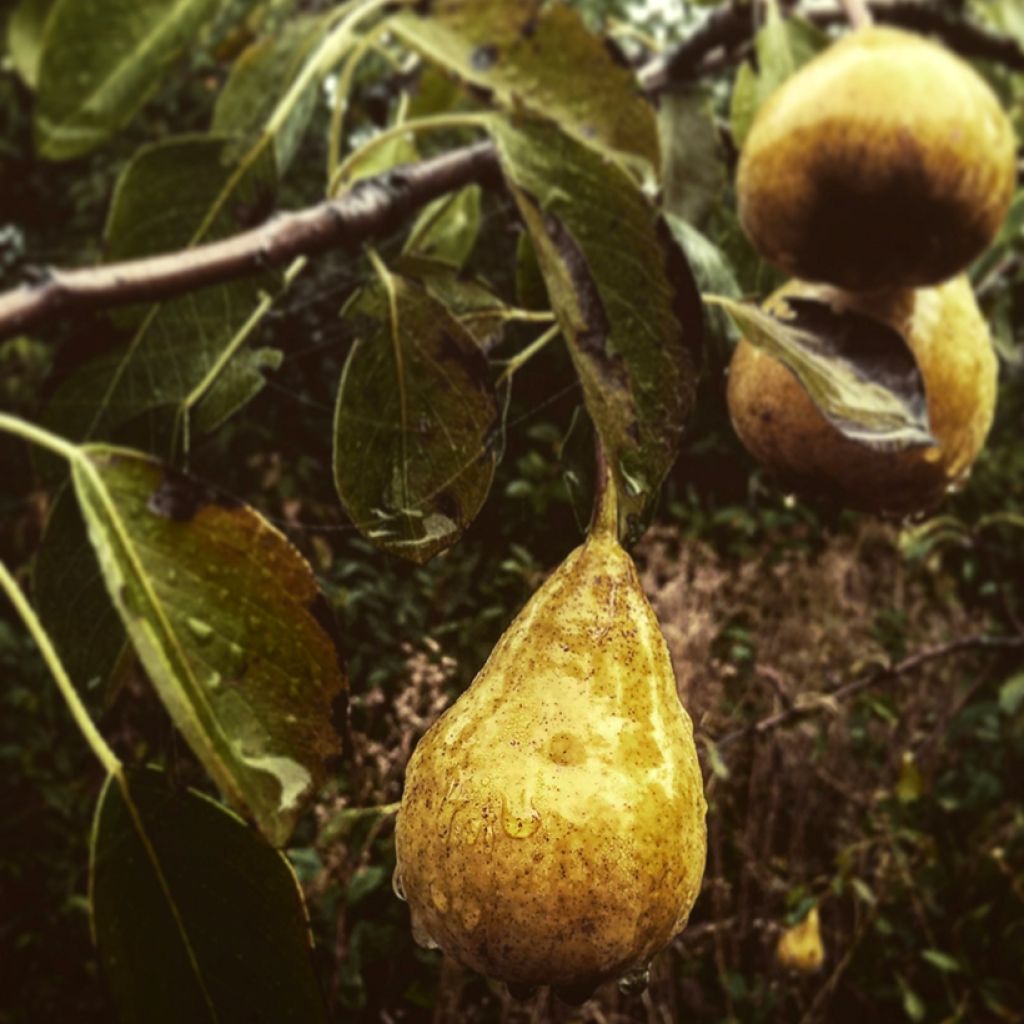
Pyrus communis André Desportes - Pear Tree
Pyrus communis André Desportes - Pear Tree
Pyrus communis André Desportes
Common Pear, European Pear
Back-to-school special offer!
Get €10 off for every €50 you spend! And get up to €40 off on a single order.
How does it work?
1. Shop your favourites
Add your favourite plants to your basket. For every €50 you spend (excluding delivery charges, store credit and the plastic-free option), you’ll receive a €10 voucher.
€50 spent = €10 voucher
€100 spent = €20 voucher
€150 spent = €30 voucher
€200 spent = €40 voucher
2. Place your order
Once your basket reaches one of the spending thresholds, place your order. You can even choose your delivery date!
3. Receive your voucher
As soon as your order has been shipped, you’ll receive an email containing your personal voucher code and its value.
4. Use it on your next order
Your voucher is valid for 90 days from the date you receive it. It can be used once only, on a new order worth at least the value of the voucher, excluding delivery charges.
Please note: Vouchers can be combined with other offers, but cannot be split or refunded.
Why not try an alternative variety in stock?
View all →
Available in 0 sizes
Available in 0 sizes
Available in 0 sizes
Available in 0 sizes
Available in 0 sizes
Available in 0 sizes
Available in 1 sizes
Available in 1 sizes
Available in 1 sizes
Available in 2 sizes
This plant carries a 12 months recovery warranty
More information
We guarantee the quality of our plants for a full growing cycle, and will replace at our expense any plant that fails to recover under normal climatic and planting conditions.
Description
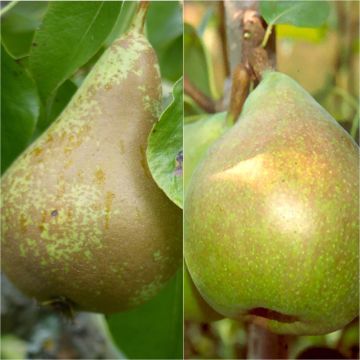
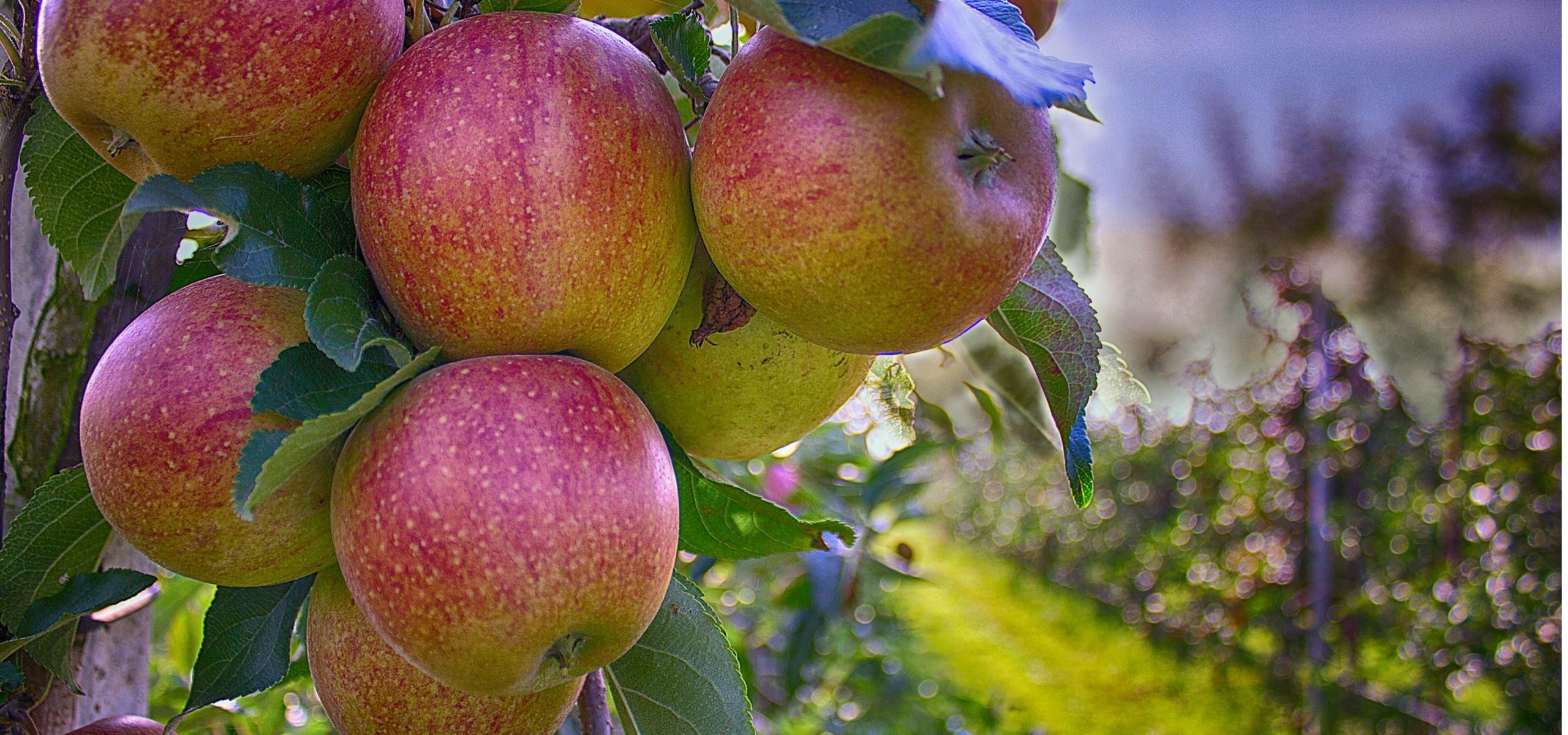
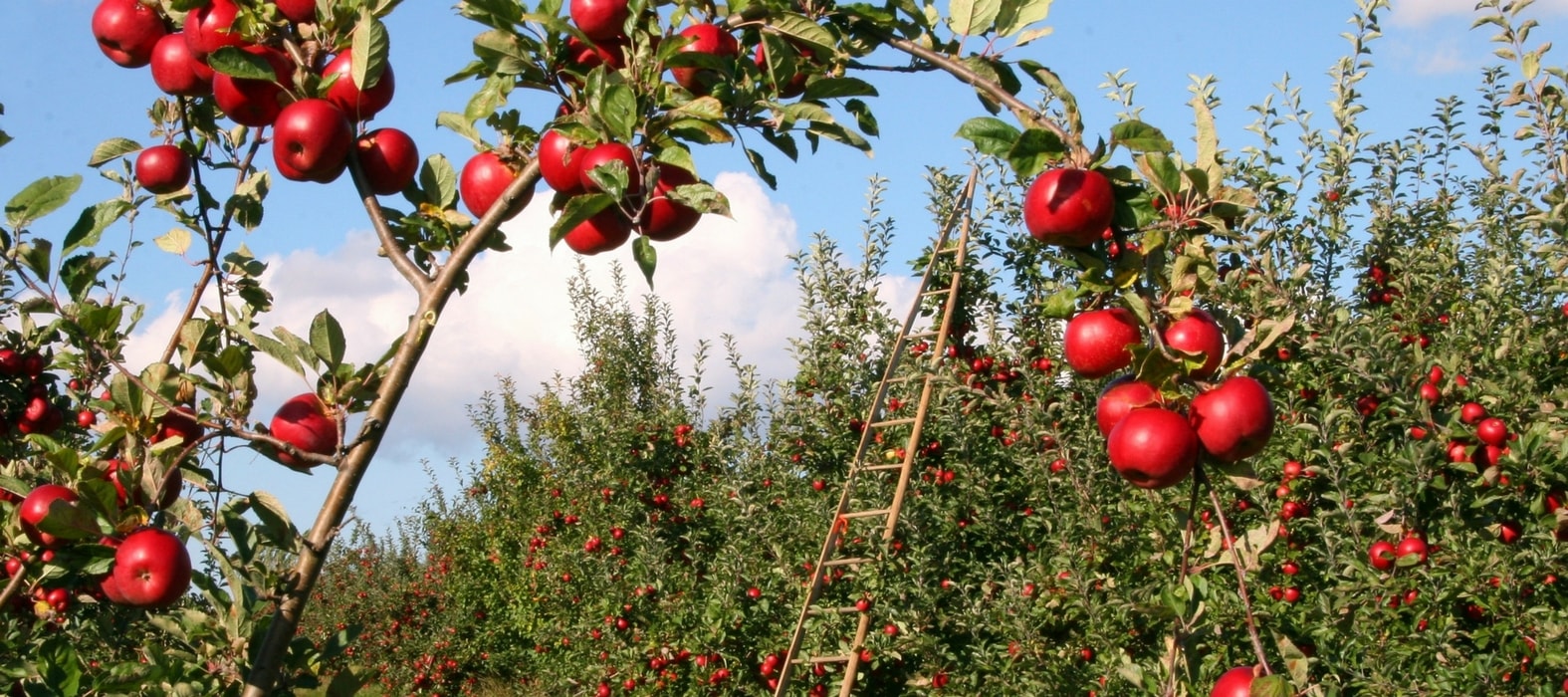
The Pear Tree André Desportes produces a medium to large-sized, pear-shaped fruit with an obtuse form and a slightly bulging shape. Its thin skin is yellowish-green, punctuated and veined with russet, taking on carmine pink shades when exposed to sunlight. Its white flesh is firm, delicate, melting, juicy, sweet, pleasantly tart, and fragrant. The harvest occurs from late July to late August; the fruits are consumed as soon as they are picked and only kept for a few days, as they ripen quickly. Pleasantly tart and rich in sugar, it is a dessert pear, invigorating and refreshing, delicious to eat raw. When cooked, it is well-suited for many sweet or savoury recipes and for making preserved pears in syrup. It is a partially self-fertile variety that requires the presence of other pear varieties nearby to improve pollination and increase the number of fruits—a robust pear tree resistant to diseases, especially scab.
The Pyrus communis (Common Pear) is a fruit tree belonging to the Rosaceae family. Present in Europe since ancient times, it originates from forests in Western Asia. In France, pear trees appeared in the 16th century, when several species were cultivated in the king's gardens under the reign of Louis XIV. Over the centuries, a vast number of cultivars have appeared. Its cultivation is widespread in Europe.
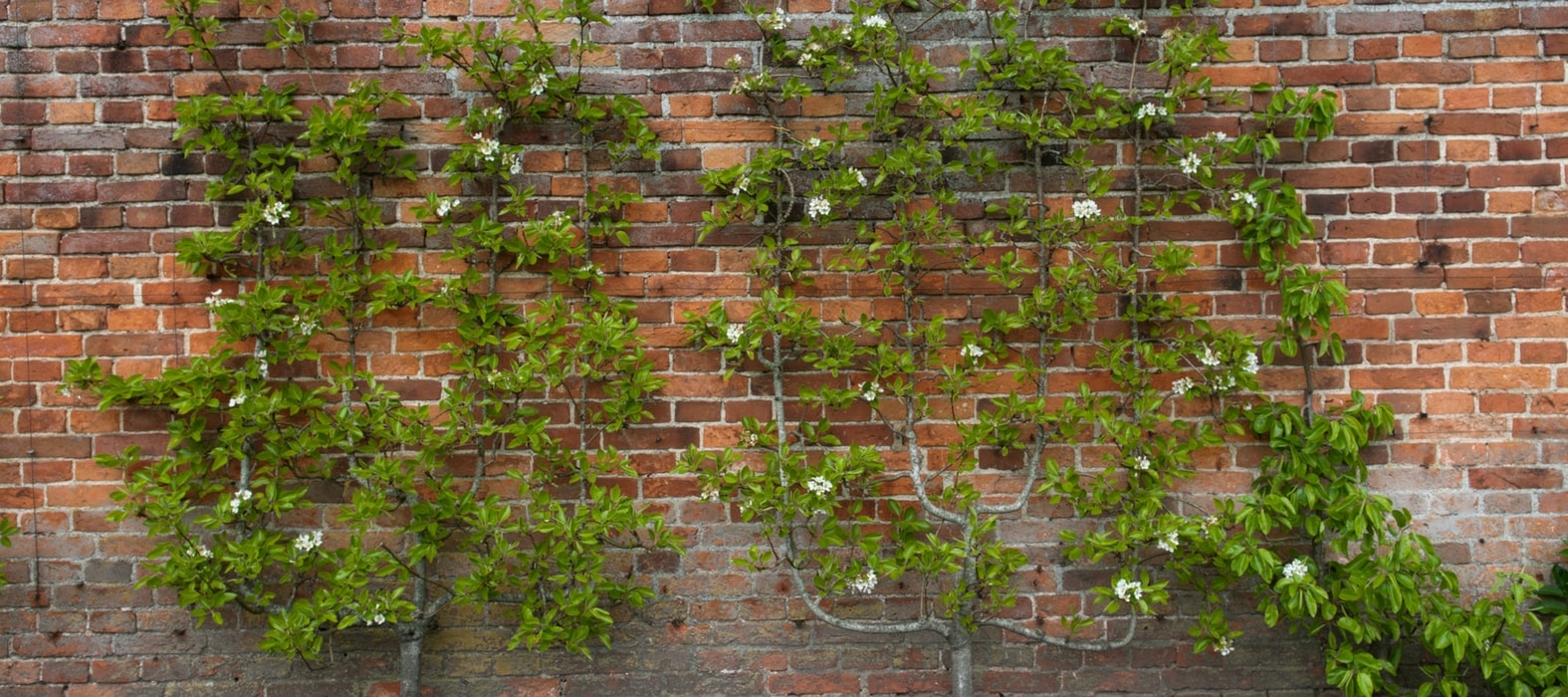
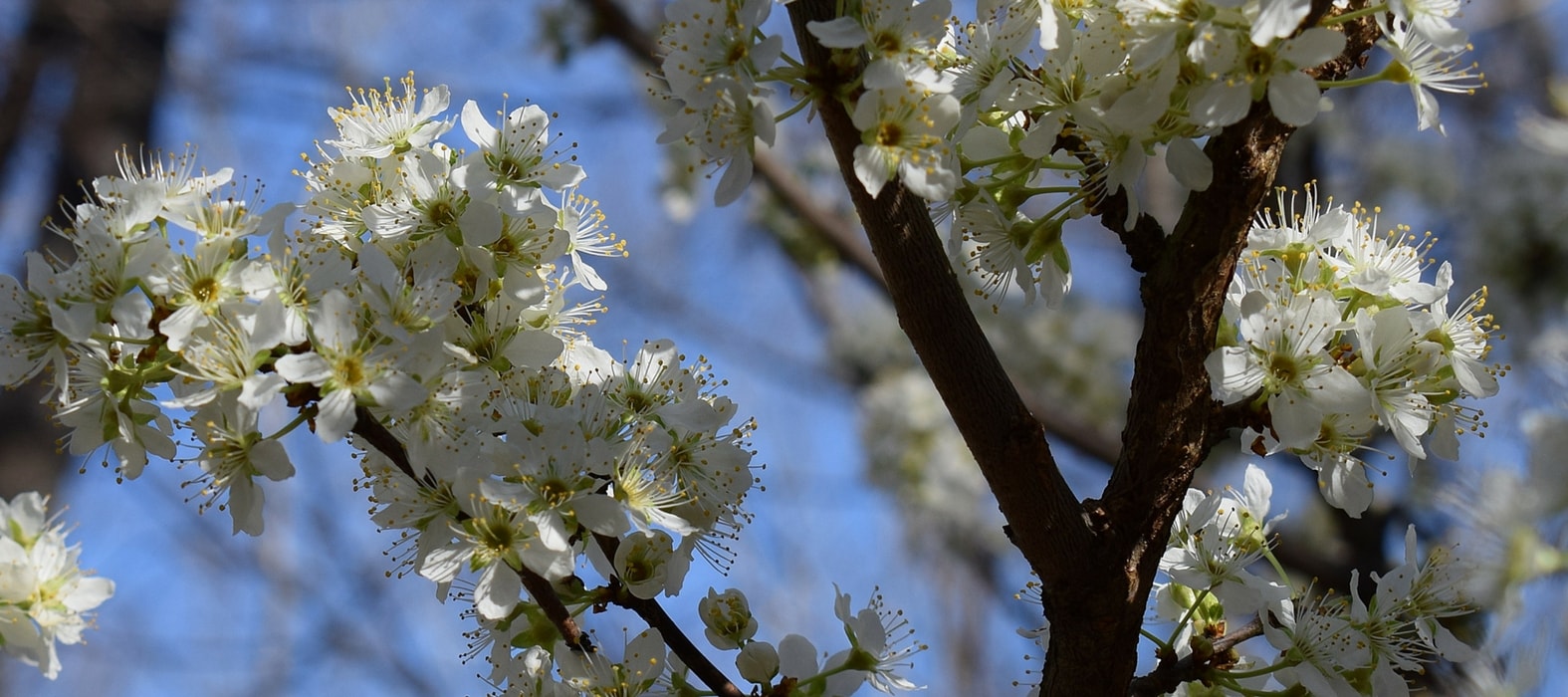
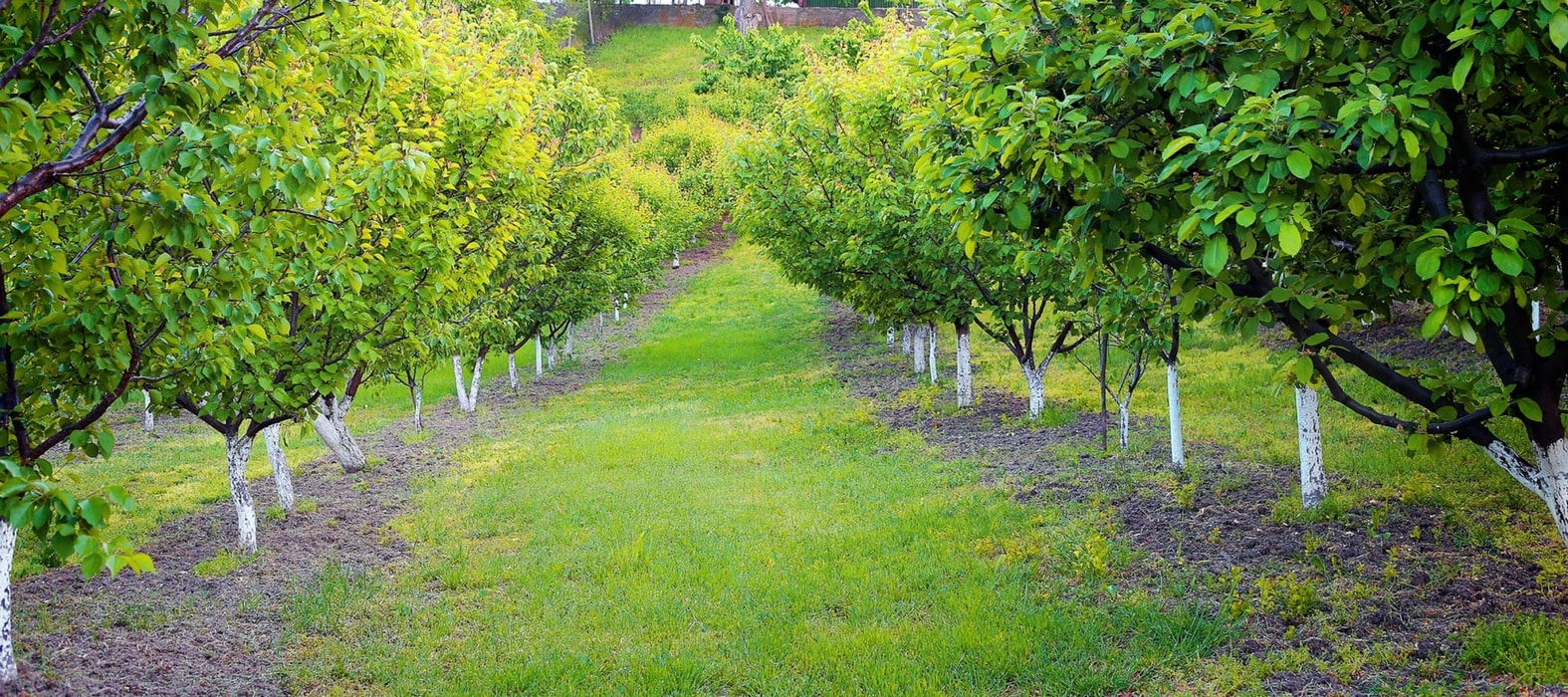
The André Desportes variety was created and obtained around 1854 by Mr. André Leroy (1801-1875), a famous nurseryman from Angers, who dedicated this variety to the eldest son of Mr. Baptiste Desportes, the director of the commercial part of his establishment. It is derived from a seedling of William's. This pear tree forms a tree with a somewhat upright, pyramidal framework, reaching approximately 5 meters (16 feet) in height and 4 meters (13 feet) in width at maturity, producing many significant and long branches relatively upright. Its habit is well-suited for tall forms (on a standard), low forms (bush), or trained forms (fan-trained). Its deciduous foliage comprises large, alternate, ovate, shiny green leaves that turn yellow-orange in autumn. Flowering occurs in early April, sometimes making it sensitive to spring frosts, so a sheltered location is preferable. The single white flowers, 2 to 3 cm (1in) in diameter, are nectar-rich and grouped in umbels. They can be destroyed by frost from -2 to -3°C. It is a hardy tree that tolerates temperatures around -25°C and is suitable for cultivation in all regions of France, including at high altitudes. This Pear tree is self-sterile or self-incompatible; the flowers cannot fertilize themselves. That is why the presence of other pear varieties nearby, flowering at the same time, is necessary. For example, varieties like Conference, Comtesse de Paris, Doyenne du Comice, Duchesse d'Angoulême, Louise Bonne d'Avranches, William's Bon Chrétien, William's Rouge are suitable for cross-pollination and increasing the number of fruits.
The André Desportes Pear Tree is a high-yielding variety with rapid fruiting and abundant and regular fruit production. Harvesting begins in late July, and the fruits are consumed as soon as they are picked as they ripen. The pear can be consumed both raw and cooked, in compotes, pastries, and desserts, in fruit salads or mixed salads, in combination with cheeses or as an accompaniment to savoury dishes, alongside ducks, white meats (poultry and lamb), or game. It is also perfect for making juice or preserved fruits in syrup. Rich in water, the pear refreshes and quenches thirst. Very fleshy, it provides an incredible feeling of satiety. Moderately calorie-dense, it is well-supplied with potassium, calcium, and magnesium, with a significant iron content. It's content of vitamins C and E, antioxidants, and fibre makes the pear a health asset. It is invigorating, energizing, and rehydrating. Harvesting the fruits a few days before they reach full ripeness is preferable, as they do not over-ripen quickly, but they can only be stored for a few days.
Very popular, thanks to its fruits, the pear tree finds its place in the garden for the pleasure of young and old.
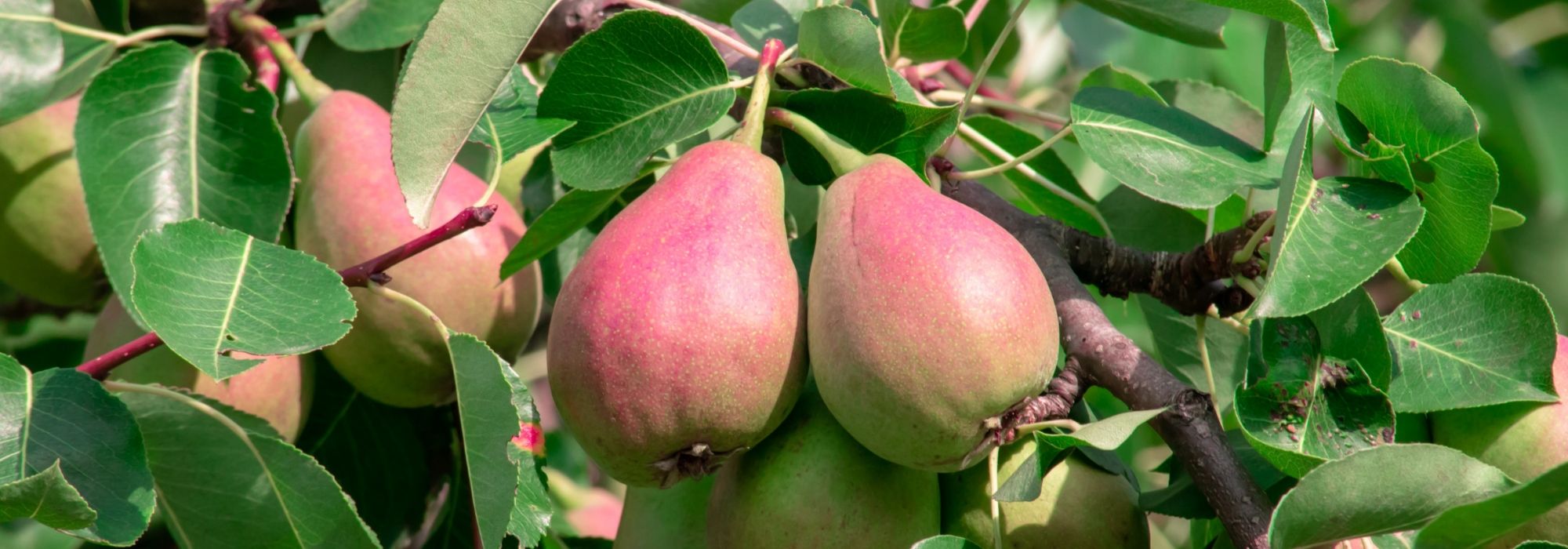
Pyrus communis André Desportes - Pear Tree in pictures
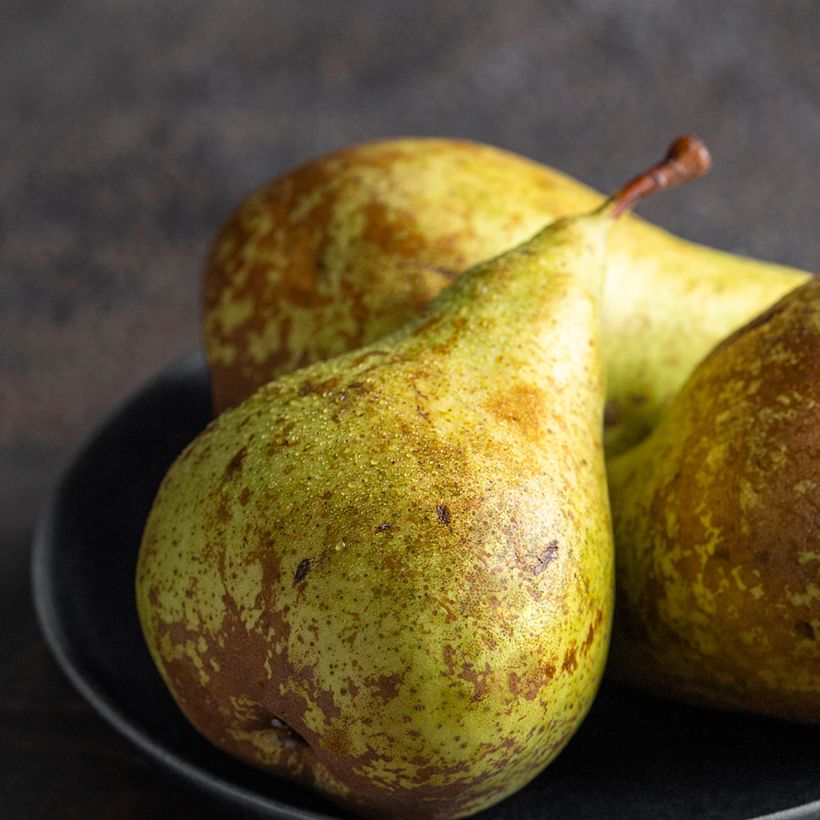
Plant habit
Fruit
Flowering
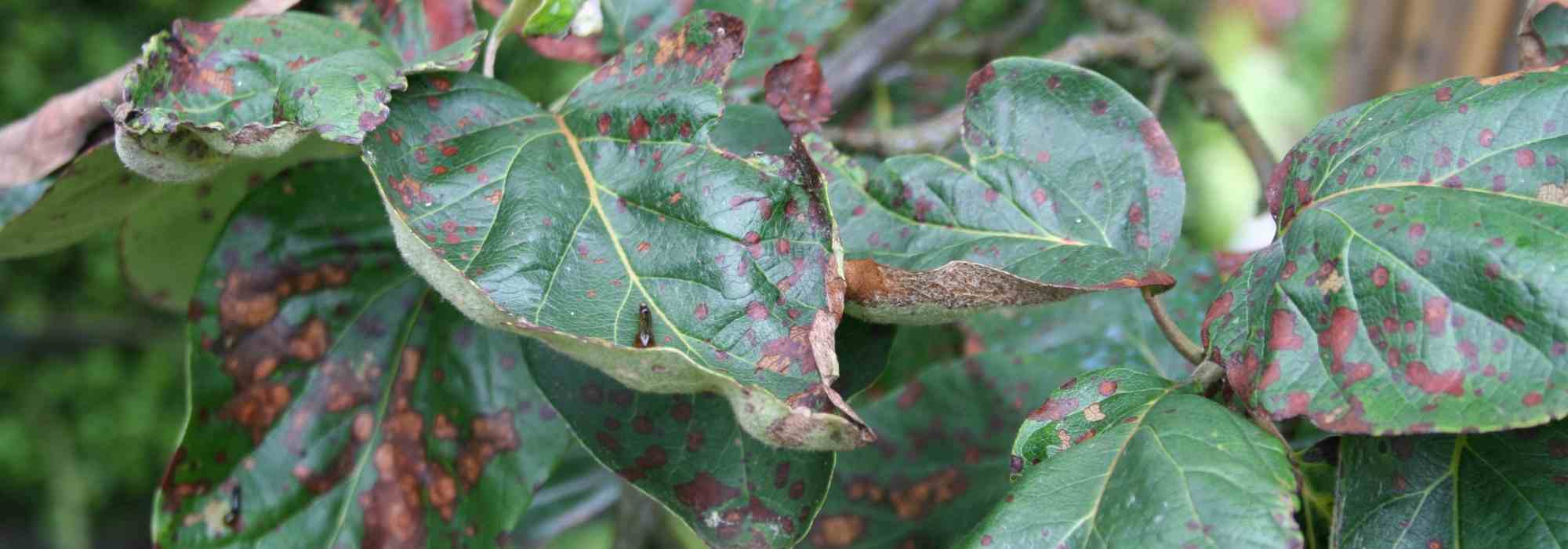
Foliage
Botanical data
Pyrus
communis
André Desportes
Rosaceae
Common Pear, European Pear
Cultivar or hybrid
Planting and care
Your Wood Pear Tree André Desportes needs warmth; it will be planted sheltered from prevailing winds, especially in cooler climates and in full sun, preferably. The pear tree thrives in fresh, rich soils without stagnant moisture but doesn't appreciate overly dry or chalky soils. Like all fruit trees, Pear trees are ideally planted between October and March, outside of the freezing period. Container-grown trees can be planted year-round, except during high heat or frost periods.
To plant, loosen the soil deeply and remove rocks and unwanted weeds. Add some gravel to improve drainage if necessary. Dig a wide planting hole at least three times the volume of the root ball. Make sure to separate the subsoil from the topsoil. Mix bonemeal and organic matter (potting soil, compost, etc.) with the subsoil and pour this mixture into the bottom of the planting hole. Place the root ball, cover it with the topsoil without burying the graft union, and firm it down. Water thoroughly (about 10 litres). It may be beneficial to stake the pear tree by installing a guy wire system: plant three stakes in a triangle 50 cm (20in) around the trunk and connect them with pieces of wood. Protect the bark with a piece of rubber, for example, and attach the stakes to the trunk with wire. It is also possible to espalier it on support (U-shaped or Verrier espalier, for example).
For maintenance, every year in autumn, apply well-rotted compost on the surface. Then, in winter, add a small shovelful of wood ash, rich in potash, to improve fruiting. Hoe, if necessary, around the base of the tree. Water regularly during the first two or three years, depending on your climate.
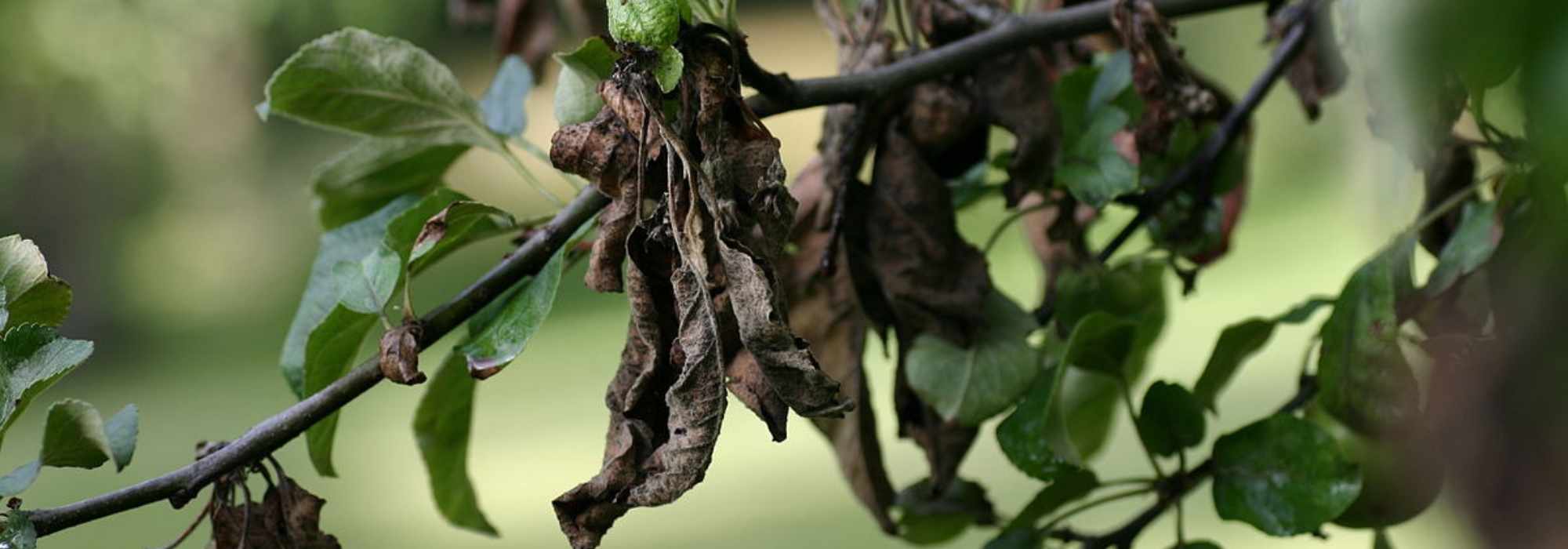
The pear tree can be susceptible to various diseases and pests. To prevent scab (brown spots on leaves), brown rot (wilting of flowers and fruit rot on the tree), and powdery mildew (white fuzz on leaves), spray fungicide and horsetail decoctions. As for pests, the codling moth or fruit worm, a tiny caterpillar, can be controlled by installing bird and bat boxes, placing corrugated cardboard strips along the trunk, and bagging the fruits in brown kraft paper. In case of aphid infestation, spray water and black soap.
Planting period
Intended location
Care
Planting & care advice
-
-
-
-
-
-
-
-
This item has not been reviewed yet - be the first to leave a review about it.
Recently viewed products
Haven't found what you were looking for?
Hardiness is the lowest winter temperature a plant can endure without suffering serious damage or even dying. However, hardiness is affected by location (a sheltered area, such as a patio), protection (winter cover) and soil type (hardiness is improved by well-drained soil).

The flowering period indicated on our website applies to countries and regions located in USDA zone 8 (France, the United Kingdom, Ireland, the Netherlands, etc.)
It will vary according to where you live:- In zones 9 to 10 (Italy, Spain, Greece, etc.), flowering will occur about 2 to 4 weeks earlier.
- In zones 6 to 7 (Germany, Poland, Slovenia, and lower mountainous regions), flowering will be delayed by 2 to 3 weeks.
- In zone 5 (Central Europe, Scandinavia), blooming will be delayed by 3 to 5 weeks.
In temperate climates, pruning of spring-flowering shrubs (forsythia, spireas, etc.) should be done just after flowering.
Pruning of summer-flowering shrubs (Indian Lilac, Perovskia, etc.) can be done in winter or spring.
In cold regions as well as with frost-sensitive plants, avoid pruning too early when severe frosts may still occur.
The planting period indicated on our website applies to countries and regions located in USDA zone 8 (France, United Kingdom, Ireland, Netherlands).
It will vary according to where you live:
- In Mediterranean zones (Marseille, Madrid, Milan, etc.), autumn and winter are the best planting periods.
- In continental zones (Strasbourg, Munich, Vienna, etc.), delay planting by 2 to 3 weeks in spring and bring it forward by 2 to 4 weeks in autumn.
- In mountainous regions (the Alps, Pyrenees, Carpathians, etc.), it is best to plant in late spring (May-June) or late summer (August-September).
The harvesting period indicated on our website applies to countries and regions in USDA zone 8 (France, England, Ireland, the Netherlands).
In colder areas (Scandinavia, Poland, Austria...) fruit and vegetable harvests are likely to be delayed by 3-4 weeks.
In warmer areas (Italy, Spain, Greece, etc.), harvesting will probably take place earlier, depending on weather conditions.
The sowing periods indicated on our website apply to countries and regions within USDA Zone 8 (France, UK, Ireland, Netherlands).
In colder areas (Scandinavia, Poland, Austria...), delay any outdoor sowing by 3-4 weeks, or sow under glass.
In warmer climes (Italy, Spain, Greece, etc.), bring outdoor sowing forward by a few weeks.
Shipping country and language
Your country of residence may be:
Your country of residence is:
For a better user experience on our website, you can select:
Your shipping country:
-
 Austria
-
 Belgium
-
 Bosnia & Herzegovina
-
 Bulgaria
-
 Croatia
-
 Cyprus
-
 Czechia
-
 Denmark
-
 Estonia
-
 Finland
-
 France
-
 Germany
-
 Greece
-
 Hungary
-
 Iceland
-
 Ireland
-
 Italy
Italy
-
 Latvia
-
 Liechtenstein
-
 Lithuania
-
 Luxembourg
-
 Malta
Malta
-
 Netherlands
-
 Poland
-
 Portugal
-
 Romania
-
 Serbia
-
 Slovakia
-
 Slovenia
-
 Spain
Spain
-
 Sweden
-
 Switzerland
Language:
-
French
-
 English
-
Spanish
-
Italian
-
German
-
Portuguese
-
Dutch
-
Finnish
My Account
Hello
My wish lists
My cart
Log in / Register
Existing customer?
This form is protected by reCAPTCHA - the Google Privacy Policy and Terms of Service apply.
New customer?
Create an account to track your orders, access our customer service and, if you wish, make the most of our upcoming offers.