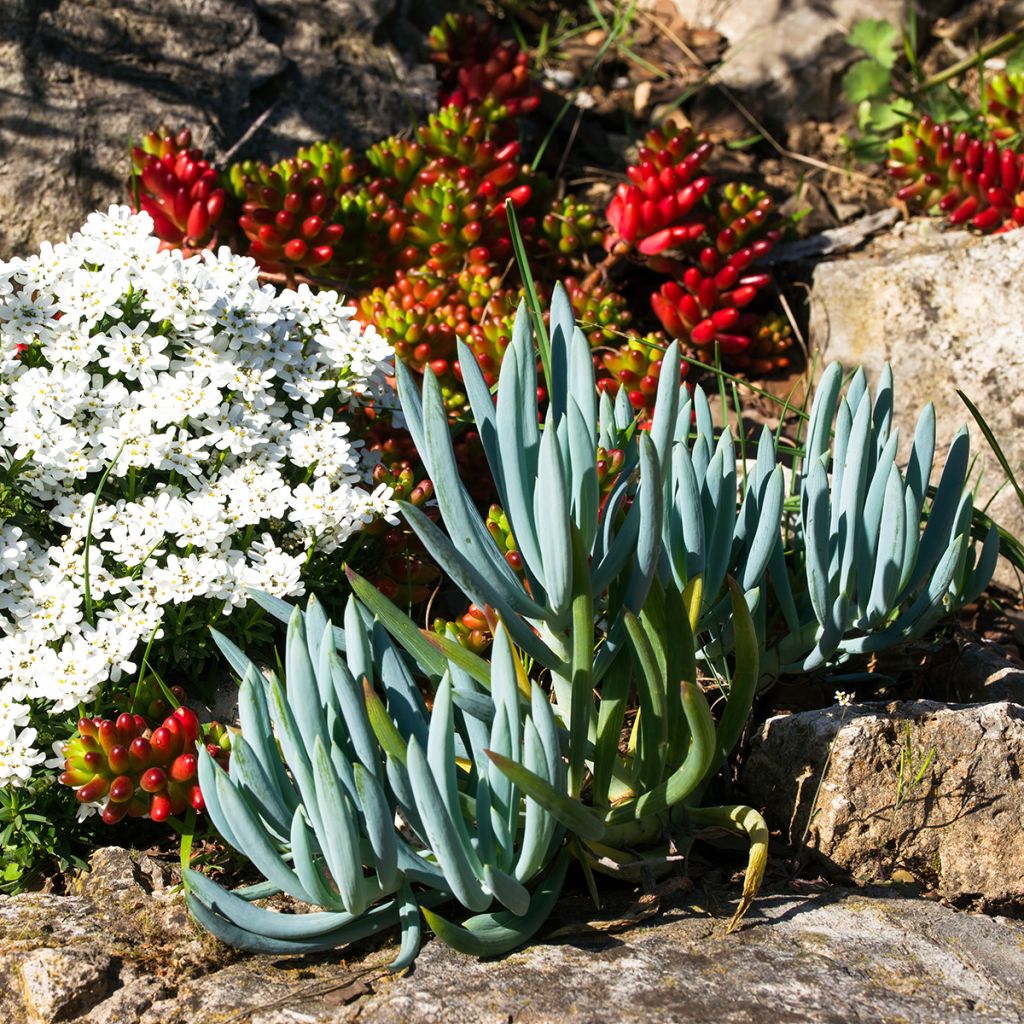
Senecio serpens - Blue chalksticks
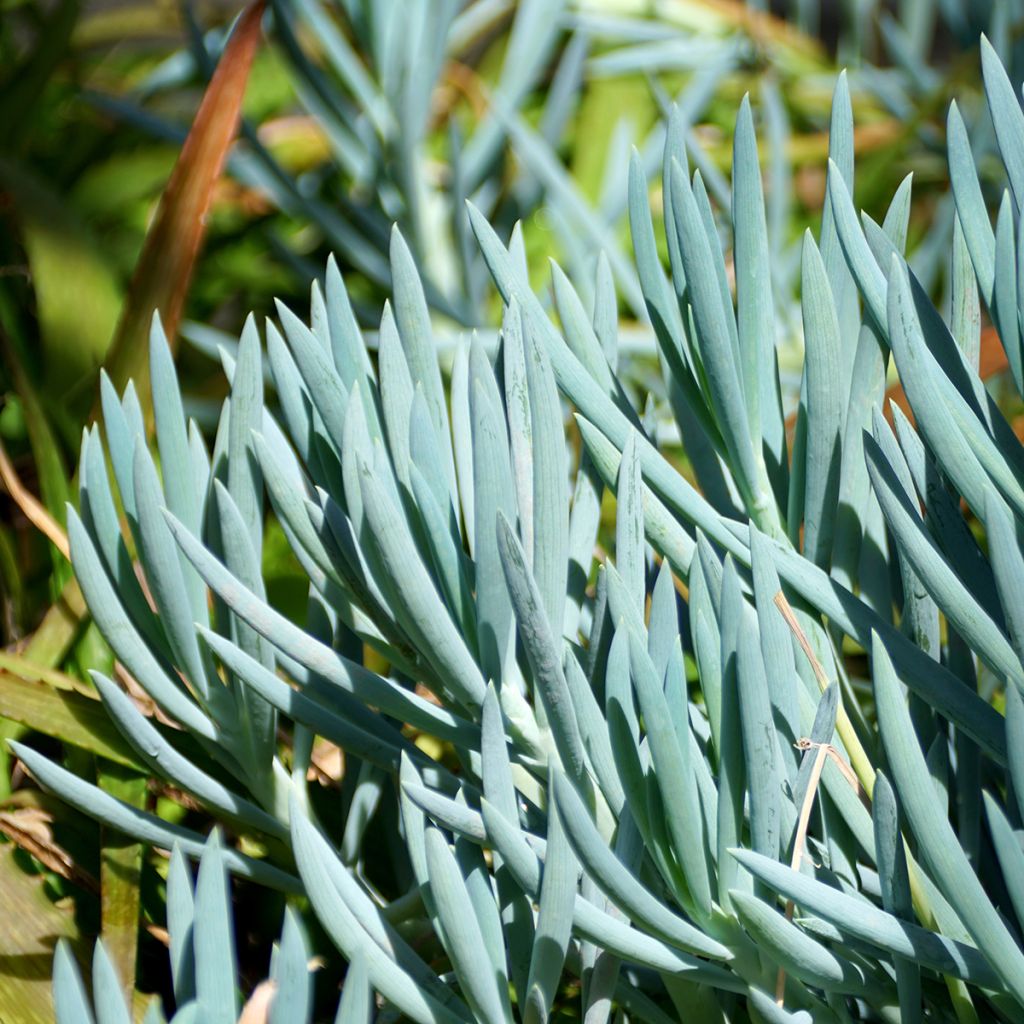
Senecio serpens - Blue chalksticks
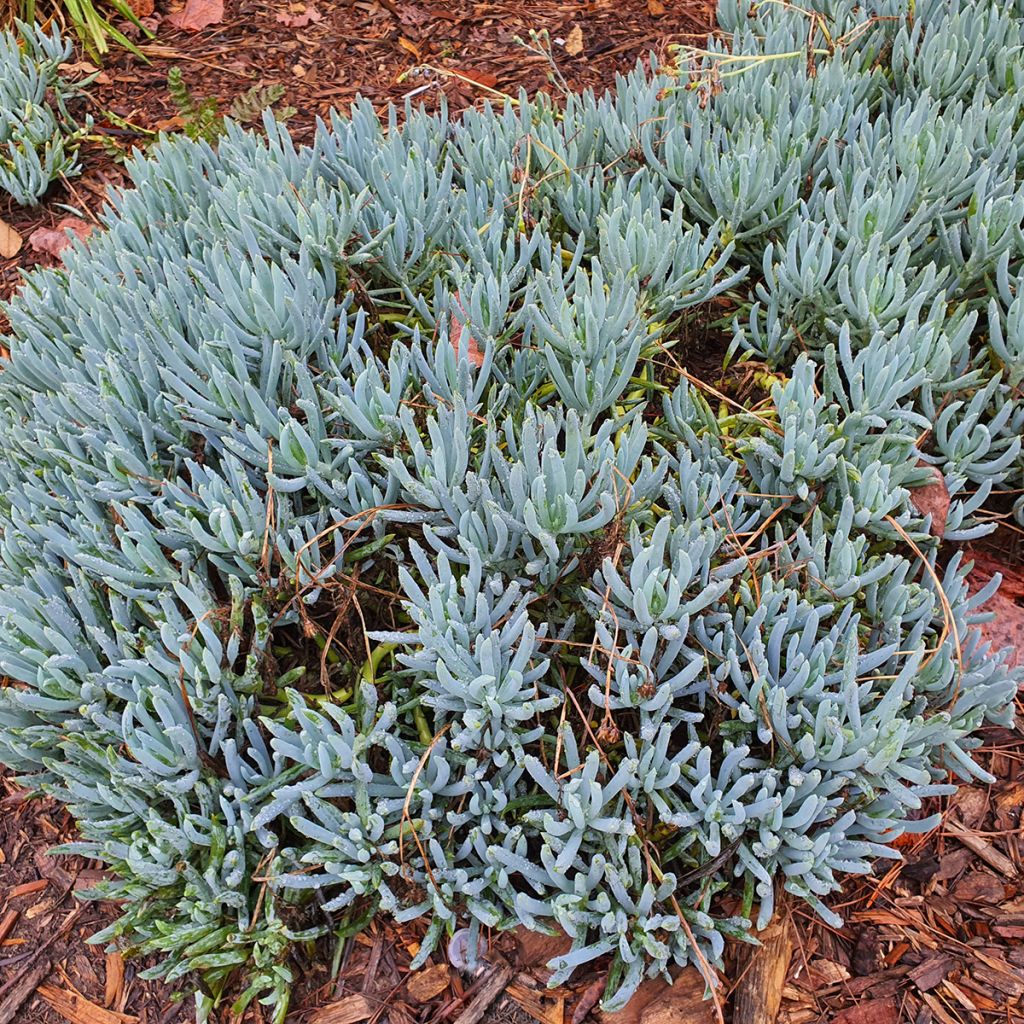
Senecio serpens - Blue chalksticks
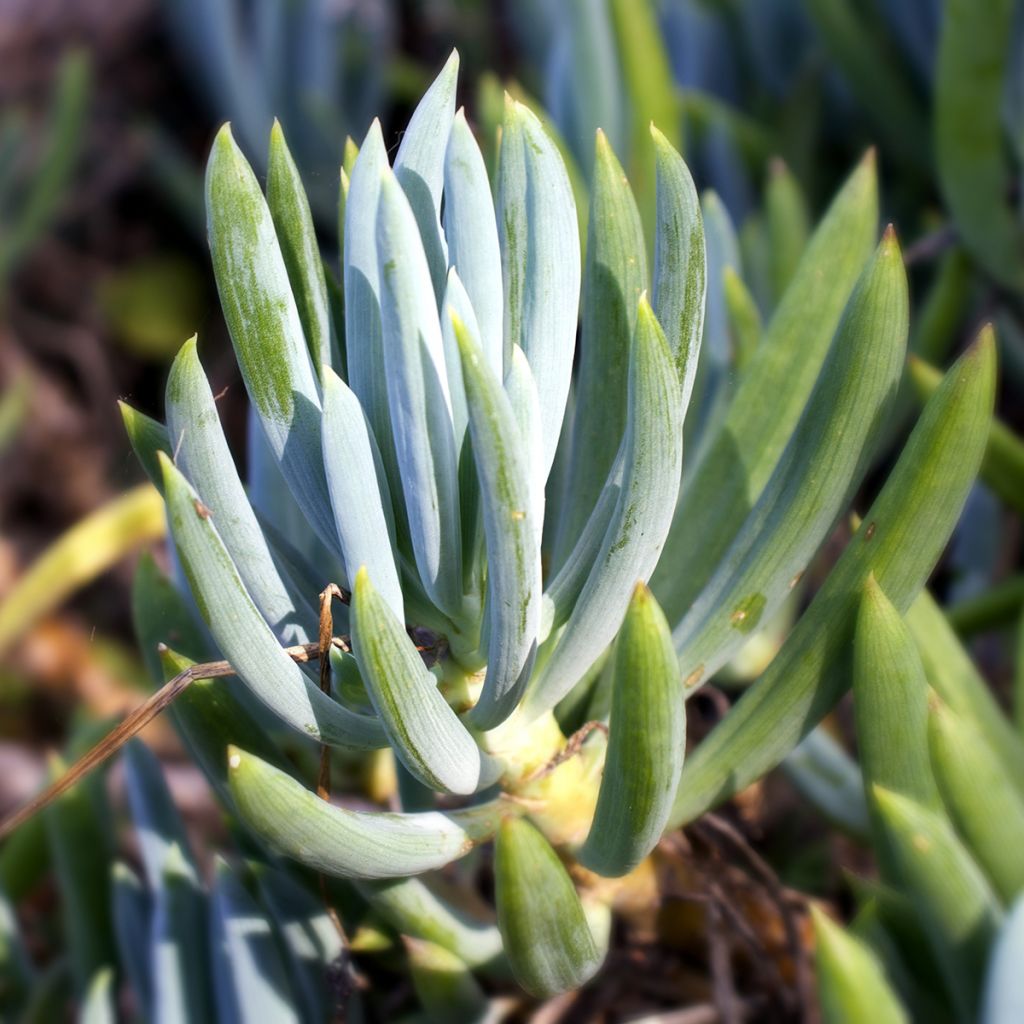
Senecio serpens - Blue chalksticks
Senecio serpens - Blue chalksticks
Senecio serpens - Blue chalksticks
Senecio serpens
Blue chalksticks
Back-to-school special offer!
Get €10 off for every €50 you spend! And get up to €40 off on a single order.
How does it work?
1. Shop your favourites
Add your favourite plants to your basket. For every €50 you spend (excluding delivery charges, store credit and the plastic-free option), you’ll receive a €10 voucher.
€50 spent = €10 voucher
€100 spent = €20 voucher
€150 spent = €30 voucher
€200 spent = €40 voucher
2. Place your order
Once your basket reaches one of the spending thresholds, place your order. You can even choose your delivery date!
3. Receive your voucher
As soon as your order has been shipped, you’ll receive an email containing your personal voucher code and its value.
4. Use it on your next order
Your voucher is valid for 90 days from the date you receive it. It can be used once only, on a new order worth at least the value of the voucher, excluding delivery charges.
Please note: Vouchers can be combined with other offers, but cannot be split or refunded.
Why not try an alternative variety in stock?
View all →
Available in 1 sizes
Available in 2 sizes
Available in 1 sizes
Available in 1 sizes
Available in 1 sizes
Available in 1 sizes
Available in 2 sizes
This plant carries a 24 months recovery warranty
More information
We guarantee the quality of our plants for a full growing cycle, and will replace at our expense any plant that fails to recover under normal climatic and planting conditions.
Would this plant suit my garden?
Set up your Plantfit profile →
Description
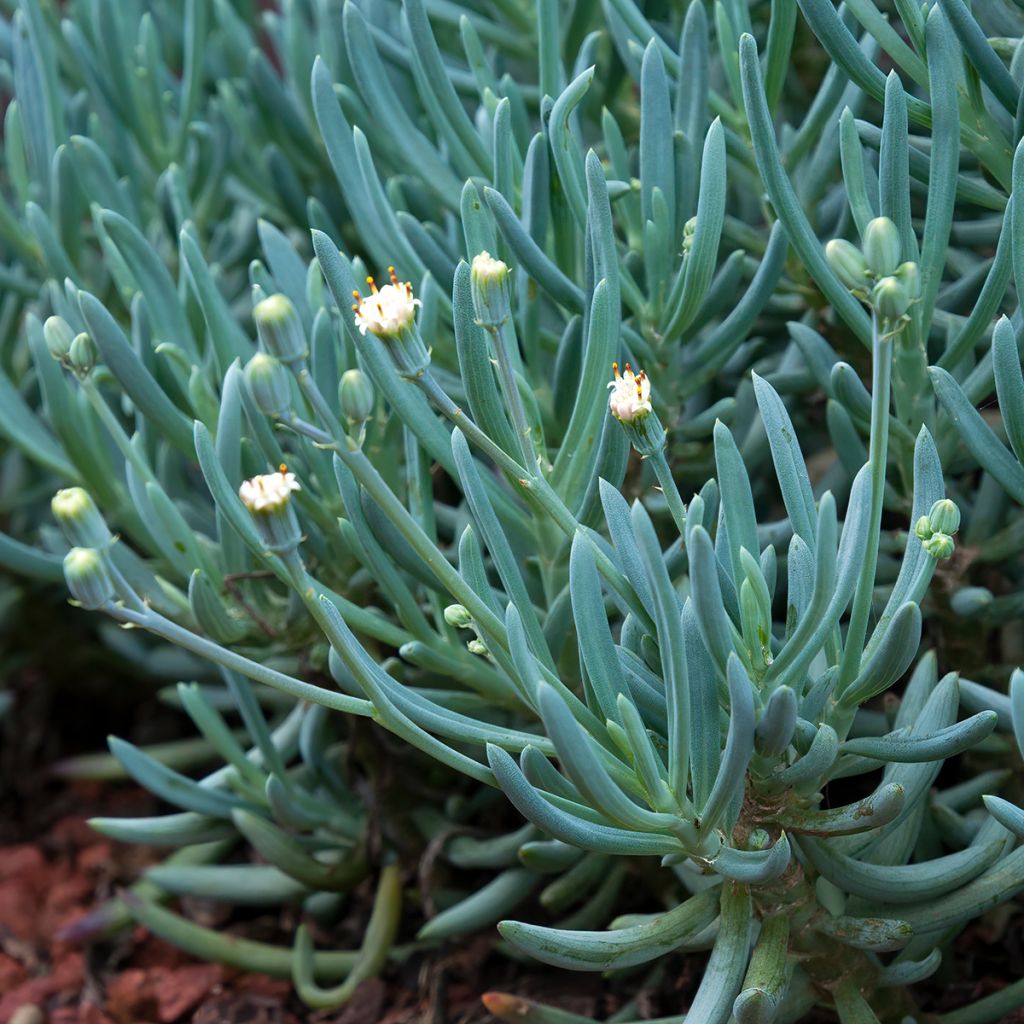
Le Senecio serpens est une plante grasse au feuillage bien bleuté, originale et graphique, souvent utilisée pour l'aménagement des grandes rocailles méditerranéennes. C'est une plante basse et ramifiée qui s'étale avec le temps en grand couvre-sol, si on lui laisse de la place. Sa floraison tardive qui prend la forme de capitules blanc-crème n'est pas spectaculaire. Frileuse, cette Sud-africaine ne supporte que quelques degrés de gel, si le sol est très bien drainé. Sa culture dans un grand pot, en sol léger, ne présente pas de difficulté et permet de l'abriter du gel en hiver.
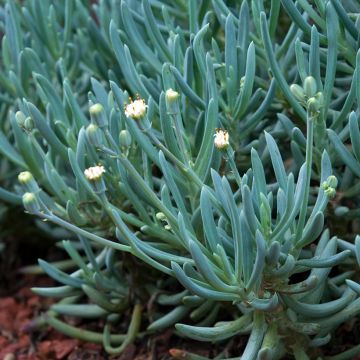
Le Senecio serpens (ou Curio repens), nommé "Blue Chalksticks" par les anglophones, est un petit arbuste tapissant de la famille des Astéracées originaire d'Afrique du Sud. Formant un buisson bas et très ramifié de 30 à 50 cm de hauteur, ce Senecio s'étale sur plus de 2 m avec le temps, ses longues tiges prostrées et charnues sont bien ramifiées. La croissance de cette plante se fait à un rythme régulier, plutôt rapide à la faveur des pluies, essentiellement en fin d'été et au printemps. Les rameaux portent de longues feuilles étroites et effilées, cylindriques, succulentes, dressées, très bleues, couvertes d'une pellicule cireuse et d'une pruine blanche pour résister aux périodes de chaleur et de sécheresse. La floraison a généralement lieu en fin d'été, d'août-septembre à début décembre sous nos climats. Des tiges florales de 30 cm de haut, feuillées à la base et ramifiées, se dressent parmi le feuillage, portant à leur extrémité des inflorescences en petits capitules d'un blanc-crème, assez discrets.
Frileux, ce Senecio serpens semblerait capable de supporter -6°C en sol très drainant, voire sec l'hiver. Par conséquent, la plante n'est cultivable en pleine terre qu'en climat très doux, en particulier en bord de mer. Sur la Côte d'Azur, il est planté sous les grands palmiers, en grand couvre-sol, ou dans de grandes rocailles en compagnie d'Agaves, Opuntia, Cactus et autres plantes grasses. Il est heureusement facile à cultiver dans un grand pot partout ailleurs. L'essentiel est de soigner le drainage au fond du pot et de lui fournir un sol très léger, bien drainé. Dans ce cas, des arrosages en été seront particulièrement appréciés par la plante. N'oubliez pas de l'entreposer à l'abri du gel en hiver, dans un local lumineux, aéré, frais, en réduisant très nettement les arrosages.
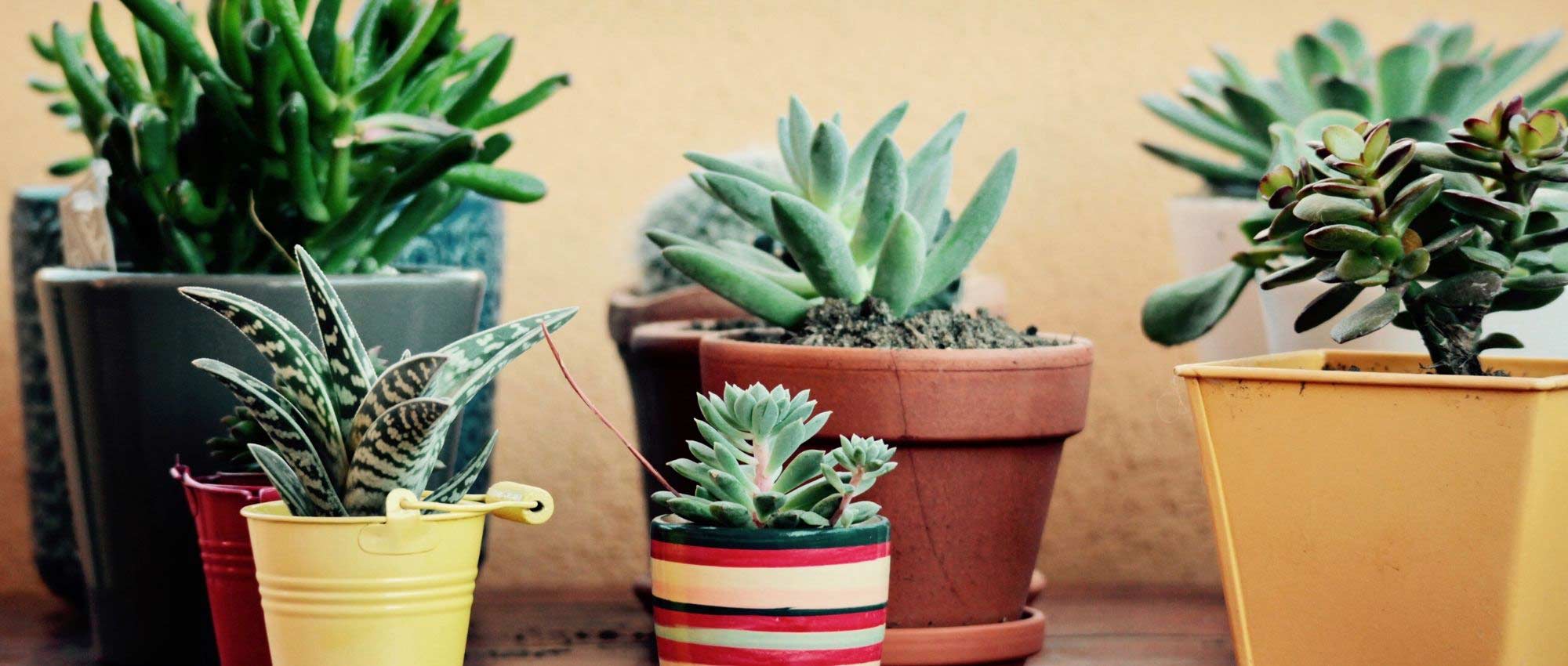
Senecio serpens - Blue chalksticks in pictures
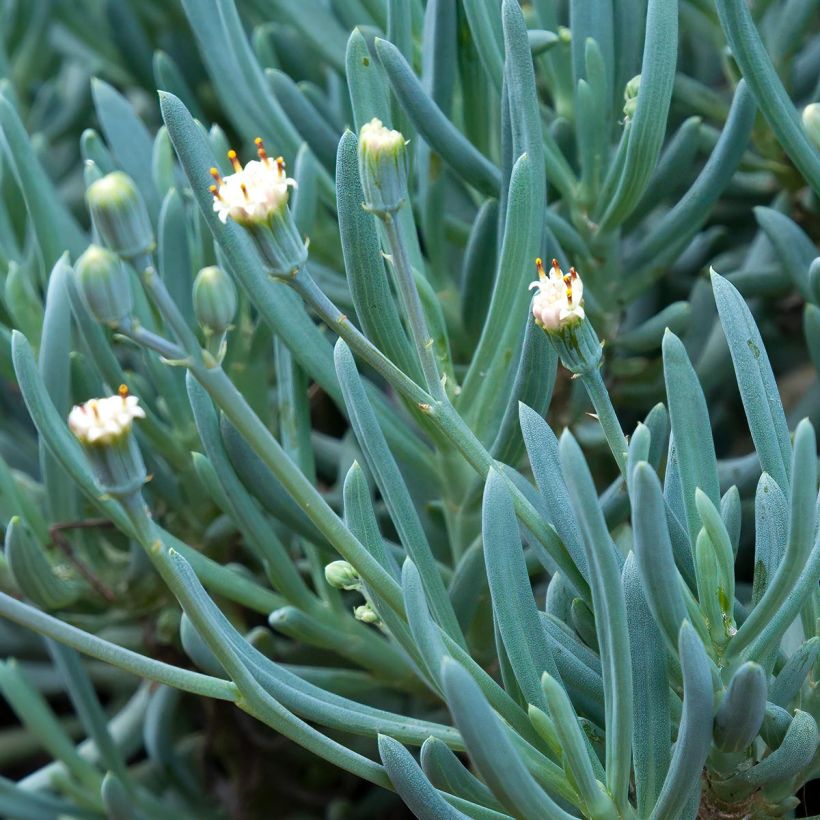
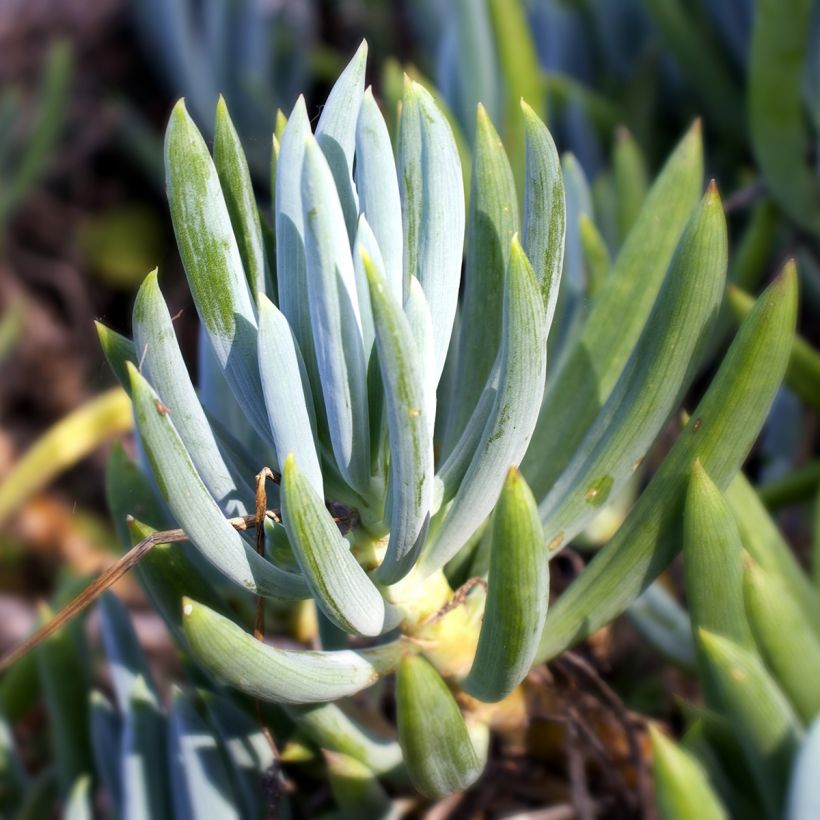
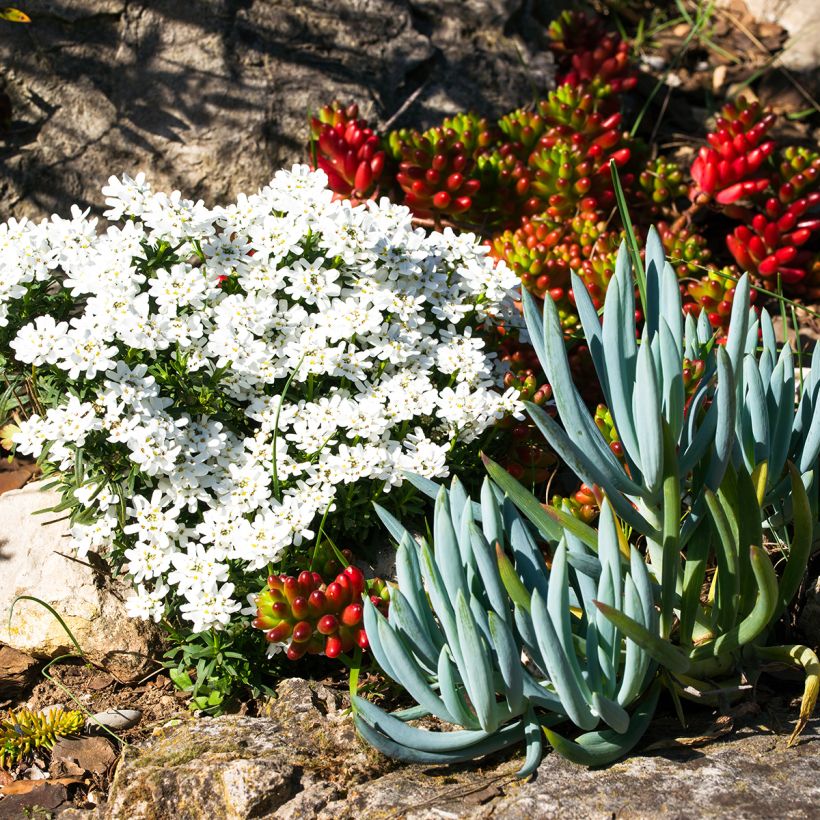
Plant habit
Flowering
Foliage
Botanical data
Senecio
serpens
Asteraceae
Blue chalksticks
Curio repens
South Africa
Planting and care
Plant the Senecio serpens 'Blue Chalk' in spring, after the last frosts, in open ground in very mild climates or in a large pot elsewhere. Place it in very well-draining soil, possibly mixing coarse sand, gravel, or pumice with your garden soil. Choose a well-sheltered, warm, very sunny to partially shaded position. A few generous waterings in summer, in dry and hot climates, will stimulate its growth. Native to South Africa, it tolerates periods of summer and winter drought well. Outdoors, without protection but planted in a rockery, this plant can withstand temperatures down to -6°C at their lowest: the above-ground parts die back, and the plant regrows the following spring from its roots.
Planting period
Intended location
Care
Planting & care advice
-
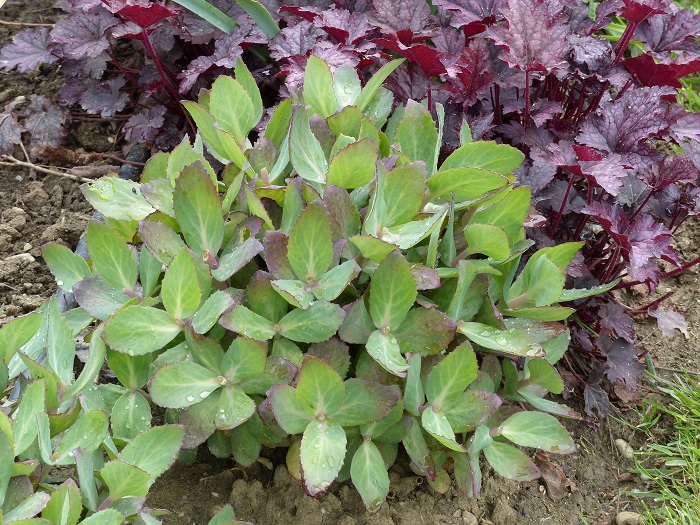
-
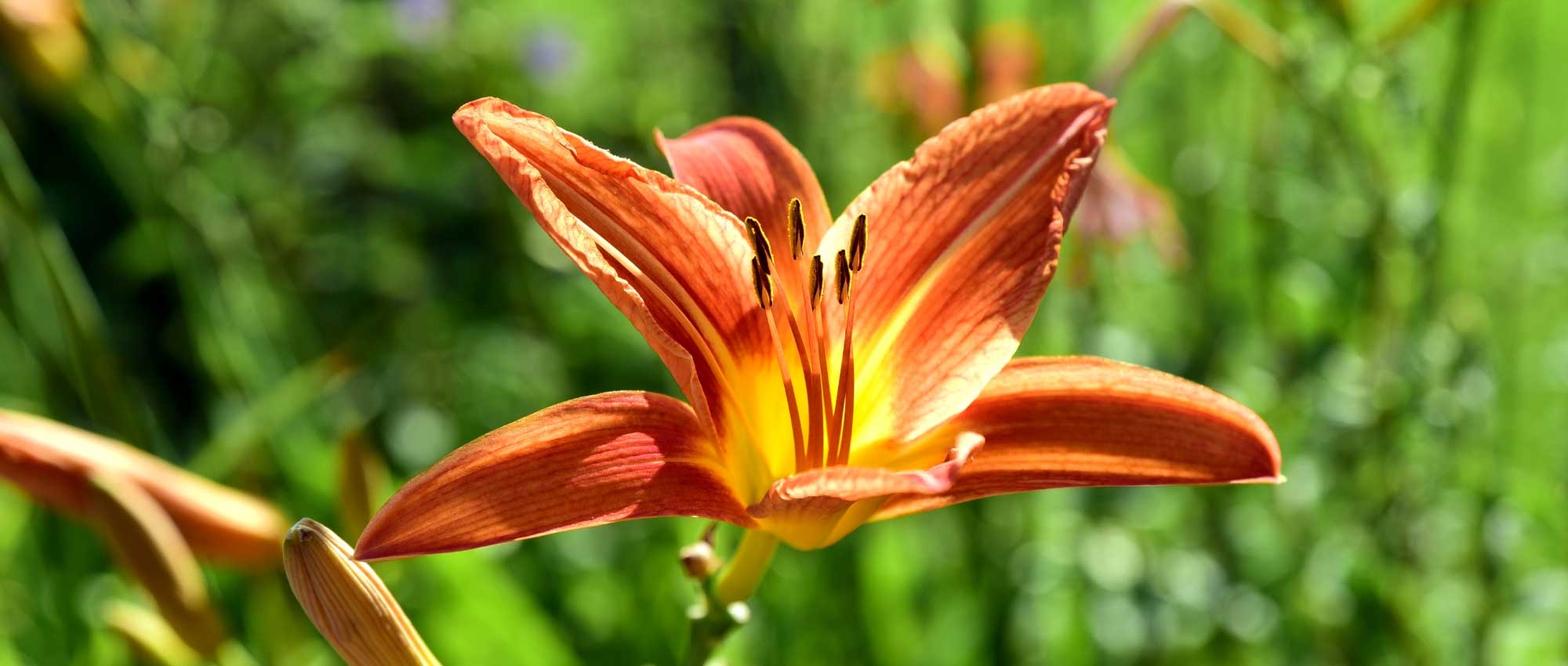
-
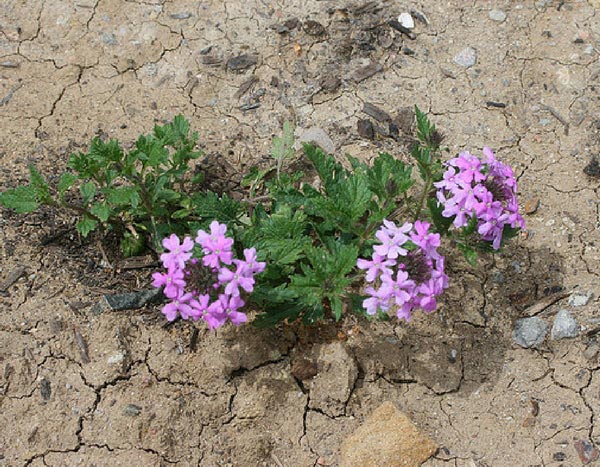
-
-
-
-
-
This item has not been reviewed yet - be the first to leave a review about it.
Recently viewed products
Haven't found what you were looking for?
Hardiness is the lowest winter temperature a plant can endure without suffering serious damage or even dying. However, hardiness is affected by location (a sheltered area, such as a patio), protection (winter cover) and soil type (hardiness is improved by well-drained soil).

The flowering period indicated on our website applies to countries and regions located in USDA zone 8 (France, the United Kingdom, Ireland, the Netherlands, etc.)
It will vary according to where you live:- In zones 9 to 10 (Italy, Spain, Greece, etc.), flowering will occur about 2 to 4 weeks earlier.
- In zones 6 to 7 (Germany, Poland, Slovenia, and lower mountainous regions), flowering will be delayed by 2 to 3 weeks.
- In zone 5 (Central Europe, Scandinavia), blooming will be delayed by 3 to 5 weeks.
In temperate climates, pruning of spring-flowering shrubs (forsythia, spireas, etc.) should be done just after flowering.
Pruning of summer-flowering shrubs (Indian Lilac, Perovskia, etc.) can be done in winter or spring.
In cold regions as well as with frost-sensitive plants, avoid pruning too early when severe frosts may still occur.
The planting period indicated on our website applies to countries and regions located in USDA zone 8 (France, United Kingdom, Ireland, Netherlands).
It will vary according to where you live:
- In Mediterranean zones (Marseille, Madrid, Milan, etc.), autumn and winter are the best planting periods.
- In continental zones (Strasbourg, Munich, Vienna, etc.), delay planting by 2 to 3 weeks in spring and bring it forward by 2 to 4 weeks in autumn.
- In mountainous regions (the Alps, Pyrenees, Carpathians, etc.), it is best to plant in late spring (May-June) or late summer (August-September).
The harvesting period indicated on our website applies to countries and regions in USDA zone 8 (France, England, Ireland, the Netherlands).
In colder areas (Scandinavia, Poland, Austria...) fruit and vegetable harvests are likely to be delayed by 3-4 weeks.
In warmer areas (Italy, Spain, Greece, etc.), harvesting will probably take place earlier, depending on weather conditions.
The sowing periods indicated on our website apply to countries and regions within USDA Zone 8 (France, UK, Ireland, Netherlands).
In colder areas (Scandinavia, Poland, Austria...), delay any outdoor sowing by 3-4 weeks, or sow under glass.
In warmer climes (Italy, Spain, Greece, etc.), bring outdoor sowing forward by a few weeks.
Shipping country and language
Your country of residence may be:
Your country of residence is:
For a better user experience on our website, you can select:
Your shipping country:
-
 Austria
-
 Belgium
-
 Bosnia & Herzegovina
-
 Bulgaria
-
 Croatia
-
 Cyprus
-
 Czechia
-
 Denmark
-
 Estonia
-
 Finland
-
 France
-
 Germany
-
 Greece
-
 Hungary
-
 Iceland
-
 Ireland
-
 Italy
Italy
-
 Latvia
-
 Liechtenstein
-
 Lithuania
-
 Luxembourg
-
 Malta
Malta
-
 Netherlands
-
 Poland
-
 Portugal
-
 Romania
-
 Serbia
-
 Slovakia
-
 Slovenia
-
 Spain
Spain
-
 Sweden
-
 Switzerland
Language:
-
French
-
 English
-
Spanish
-
Italian
-
German
-
Portuguese
-
Dutch
-
Finnish
My Account
Hello
My wish lists
My cart
Log in / Register
Existing customer?
This form is protected by reCAPTCHA - the Google Privacy Policy and Terms of Service apply.
New customer?
Create an account to track your orders, access our customer service and, if you wish, make the most of our upcoming offers.