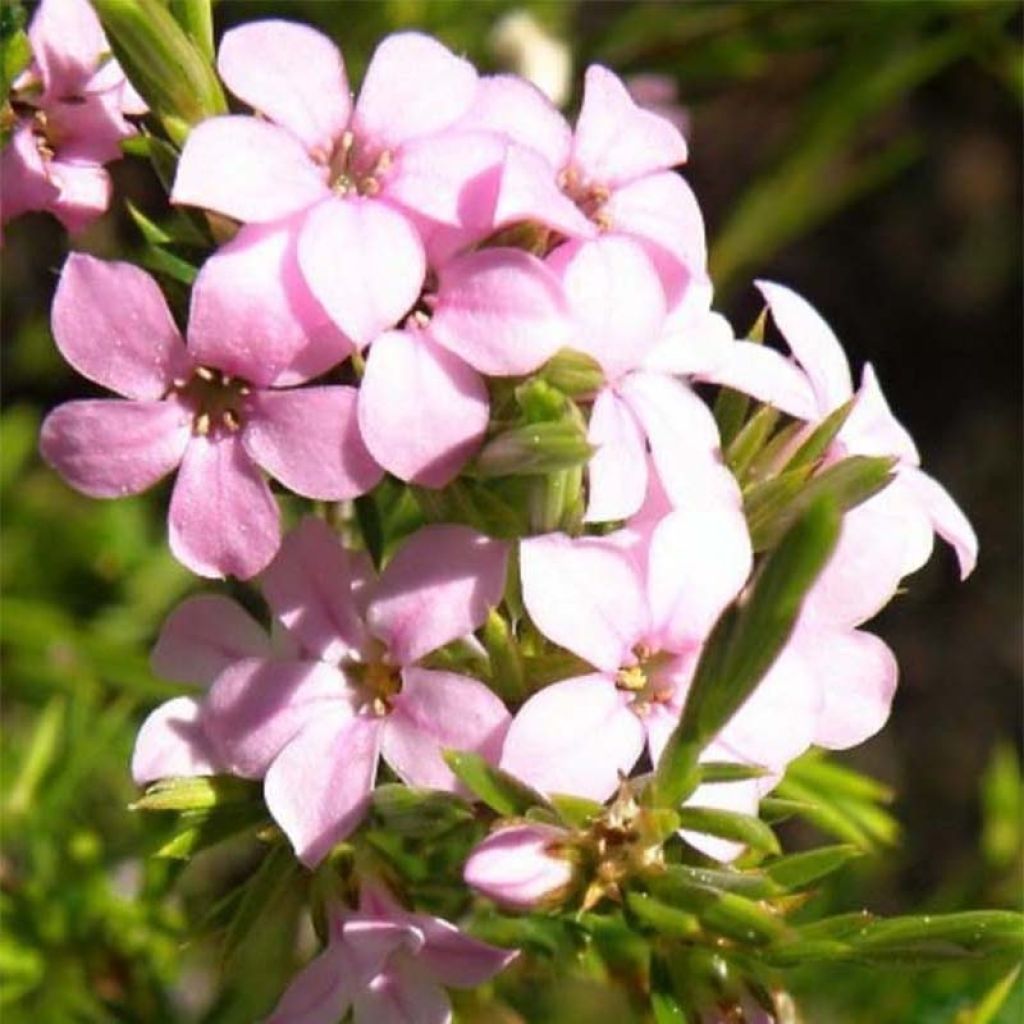
Acmadenia alternifolia
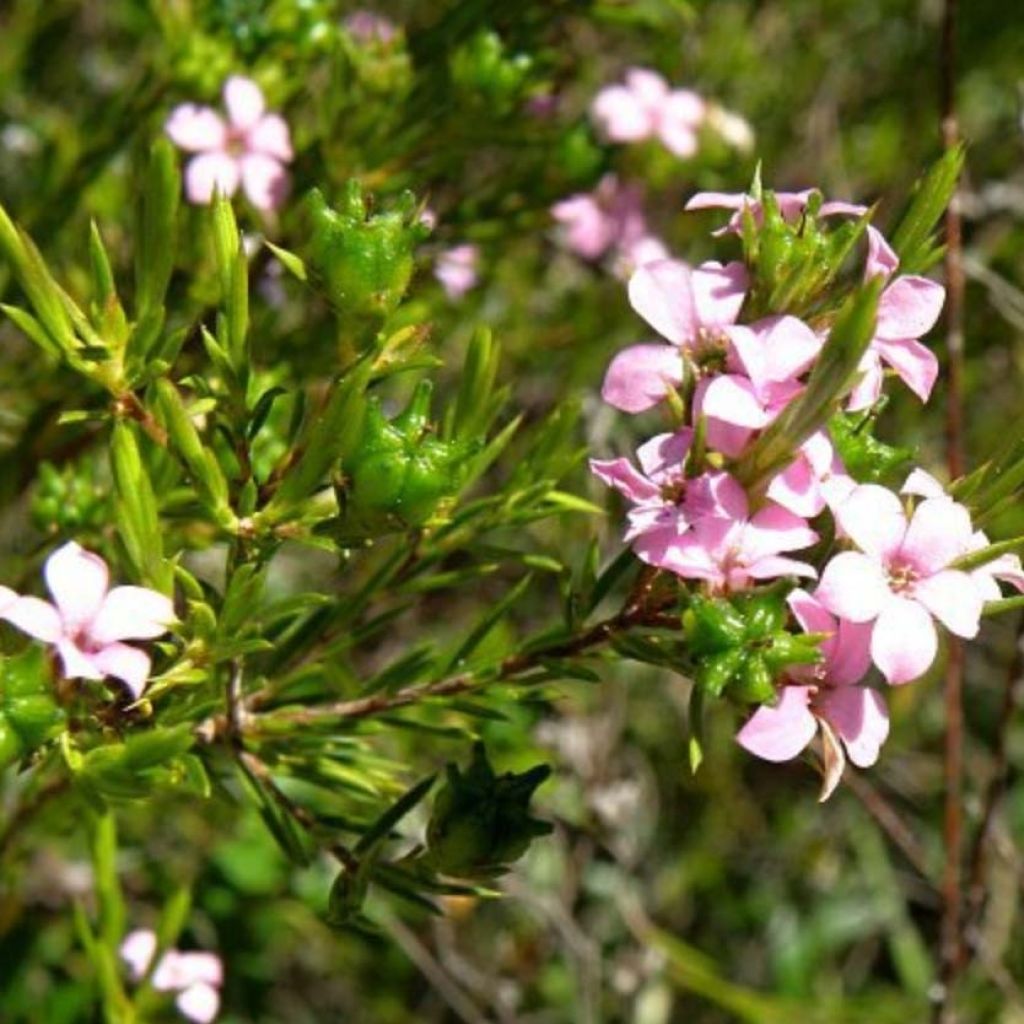
Acmadenia alternifolia
Acmadenia alternifolia
Acmadenia alternifolia
This young plant was delivered in a very bad condition. It did not survive, despite the care! In general, your young plants are no longer as beautiful and in good condition as they were a few years ago. I am very disappointed.
Marguerite, 27/01/2022
Back-to-school special offer!
Get €10 off for every €50 you spend! And get up to €40 off on a single order.
How does it work?
1. Shop your favourites
Add your favourite plants to your basket. For every €50 you spend (excluding delivery charges, store credit and the plastic-free option), you’ll receive a €10 voucher.
€50 spent = €10 voucher
€100 spent = €20 voucher
€150 spent = €30 voucher
€200 spent = €40 voucher
2. Place your order
Once your basket reaches one of the spending thresholds, place your order. You can even choose your delivery date!
3. Receive your voucher
As soon as your order has been shipped, you’ll receive an email containing your personal voucher code and its value.
4. Use it on your next order
Your voucher is valid for 90 days from the date you receive it. It can be used once only, on a new order worth at least the value of the voucher, excluding delivery charges.
Please note: Vouchers can be combined with other offers, but cannot be split or refunded.
Why not try an alternative variety in stock?
View all →
Available in 1 sizes

Available in 1 sizes
Available in 1 sizes
Available in 1 sizes
Available in 1 sizes
Available in 1 sizes
Available in 1 sizes
Available in 1 sizes
Available in 1 sizes
Available in 1 sizes
This plant carries a 24 months recovery warranty
More information
We guarantee the quality of our plants for a full growing cycle, and will replace at our expense any plant that fails to recover under normal climatic and planting conditions.

Would this plant suit my garden?
Set up your Plantfit profile →
Description
Acmadenia alternifolia is a South African bush that is still very confidential, as rare in cultivation as it is endangered in its native lands, where it anchors itself in the sunny coastal cliffs of the Cape Province. Passionate gardeners of dry terrain southern plants will find that it somewhat resembles its cousin, Coleonema pulchrum, but with less flexibility, with its heath-like appearance, pink flowers, and delicate aromatic foliage. It is a plant related to citrus trees, comfortable in well-draining sandy or loamy soils. As it performs quite well in pots, gardeners in more continental climates can admire it on the terrace throughout the summer and bring it indoors in winter, protected in a minimally heated greenhouse or conservatory.
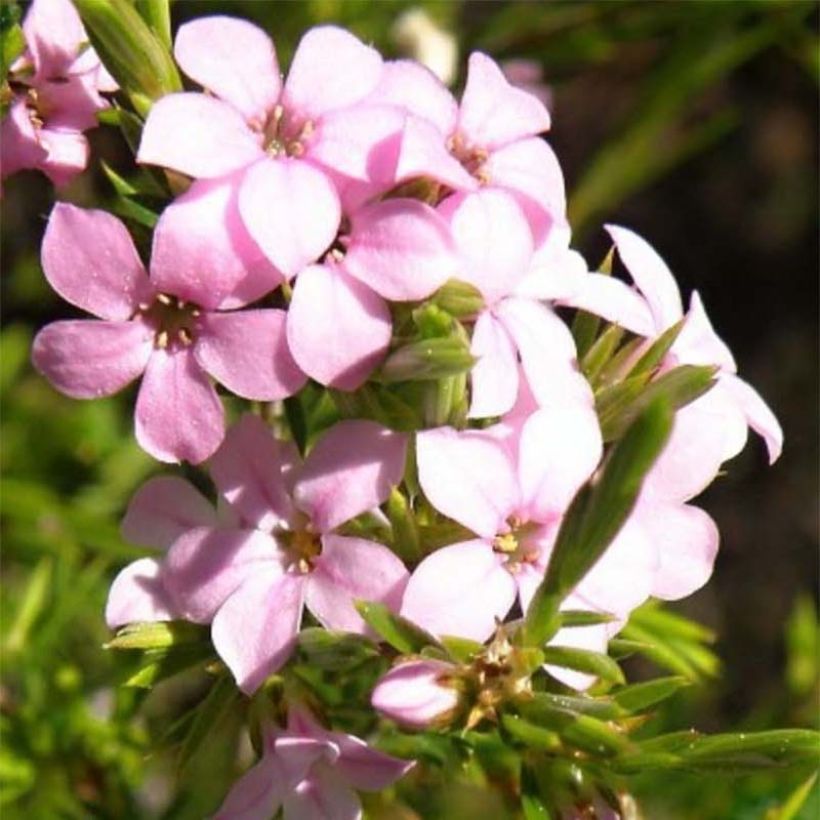
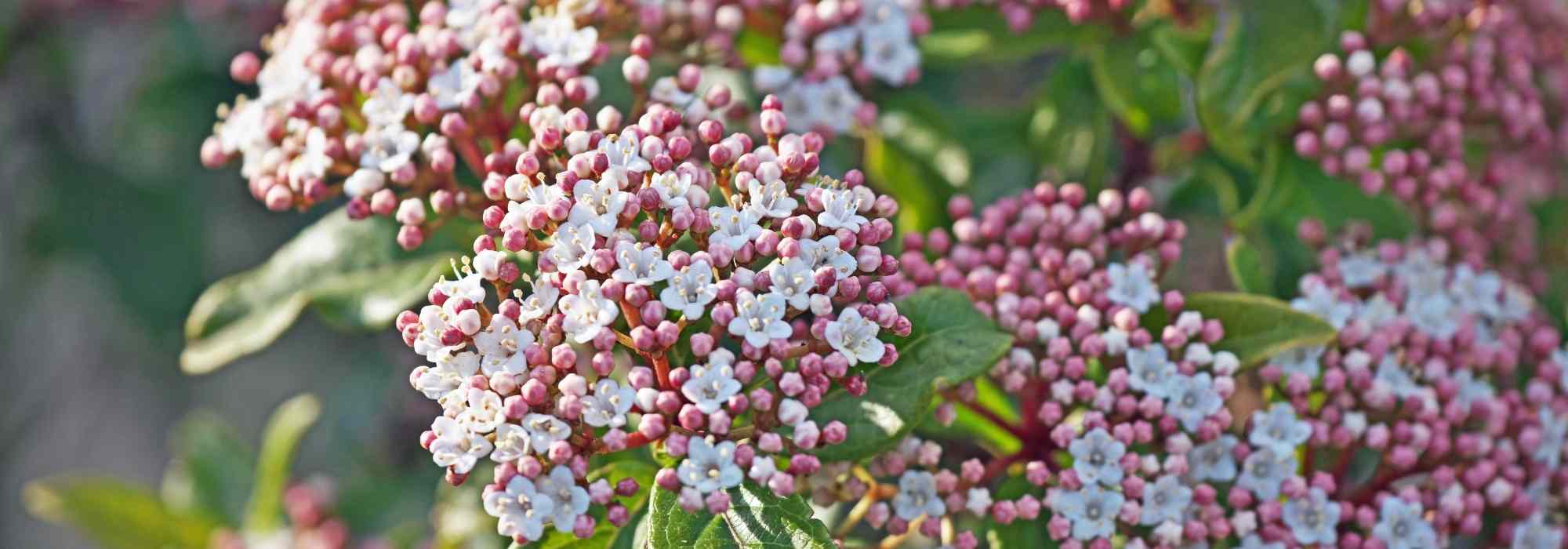
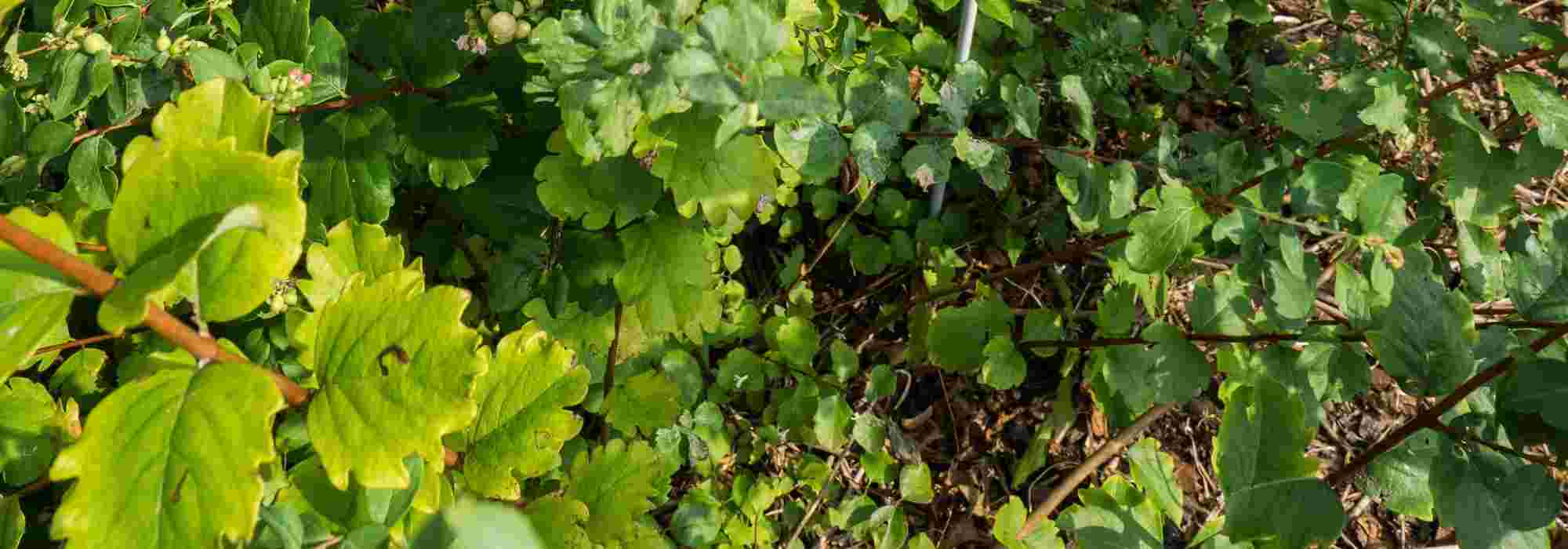
Acmadenia alternifolia is a bush of the Rutaceae family endemic to South Africa, specifically the western region of the Cape. It is part of a particular vegetation formation called fynbos, dominated by 3 major plant families: Proteaceae, heaths, and restios. Like our garrigues and maquis, fynbos is subject to the recurrence of natural fires that characterize its ecological cycle. Many species common in Mediterranean gardens come from the Cape region: Gazania, Euryops, Pelargonium, Myrsine... Its species name, alternifolia, refers to its small leaves arranged alternately towards the end of the branches. With moderate growth, this bush with a bushy habit, well-branched from the base, reaches an average height of 85cm (33.5in) with a spread of 60cm. Its slightly stiff branches bear narrow and pointed leaves, light and vibrant green, filled with essential oil glands that release a pleasant aroma when crushed. The flowering, abundant, occurs in May-June. A multitude of small flowers appear at the end of the branches, grouped in globose clusters. They bloom one after the other or in pairs or threes, for several weeks. They are small 5-petalled stars, 1cm (0.4in) in diameter, in a candy pink colour. The fruit is a 5-lobed capsule, each ending with a spur, containing black seeds.
Acmadenia alternifolia is a wild plant so rarely cultivated in gardens, even in South Africa, that it is difficult to assert with certainty what its optimal growing conditions are. It is therefore up to amateur gardeners to acclimate it in their gardens. Hardy enough for our coastal regions, sun-loving and low water requirement, it should thrive in a large rockery or a dry garden, in rocky or light, even poor soil. For example, it can be associated with lavender, rosemary, Cistus, Galvezia speciosa, Callirhoe involucrata, or the western heath Erica erigena... Outside the mildest coastal regions, it seems preferable to cultivate it in a pot, where the substrate and wintering conditions can be controlled.
Report an error about the product description
Acmadenia alternifolia in pictures
Plant habit
Flowering
Foliage
Botanical data
Acmadenia
alternifolia
Rutaceae
South Africa
Planting and care
Cultivation:
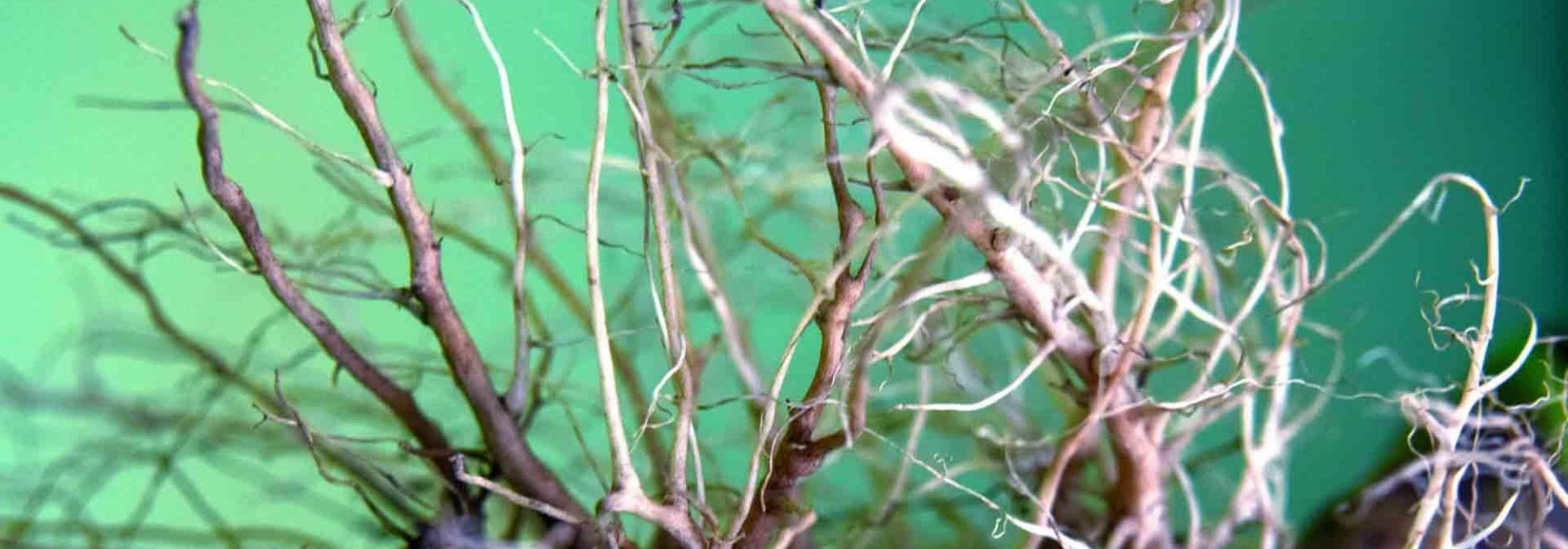
Acmadenia appears to be hardy up to about -8/-10°C, information and experience regarding its cold resistance in our climates is still lacking. Plant it in the ground or in pots preferably in spring. Choose a very sunny location. The soil should be very well-draining, probably neutral to acidic or at least without excess limestone, here again the data is very scarce: a mixture of peat, sand, gravel and garden soil seems to be suitable. Water the plant regularly to help it establish, as well as the first two summers in dry climates. Afterwards, the bush should be able to do without watering completely in summer.
If it is cultivated in a pot, it can be taken outside as soon as there is no longer any risk of frost. Choose a large container. Prepare a well-draining substrate composed of heather soil, sand, gravel and garden soil. Water regularly from spring to the end of summer, allowing the substrate to dry out a little between waterings (plants from dry areas generally do not appreciate the combination of heat and excessive and constant humidity at the root level). Store your Acmadenia frost-free in autumn, in a cold greenhouse, in a lightly heated conservatory or in a bright and cool room. Reduce watering in winter.
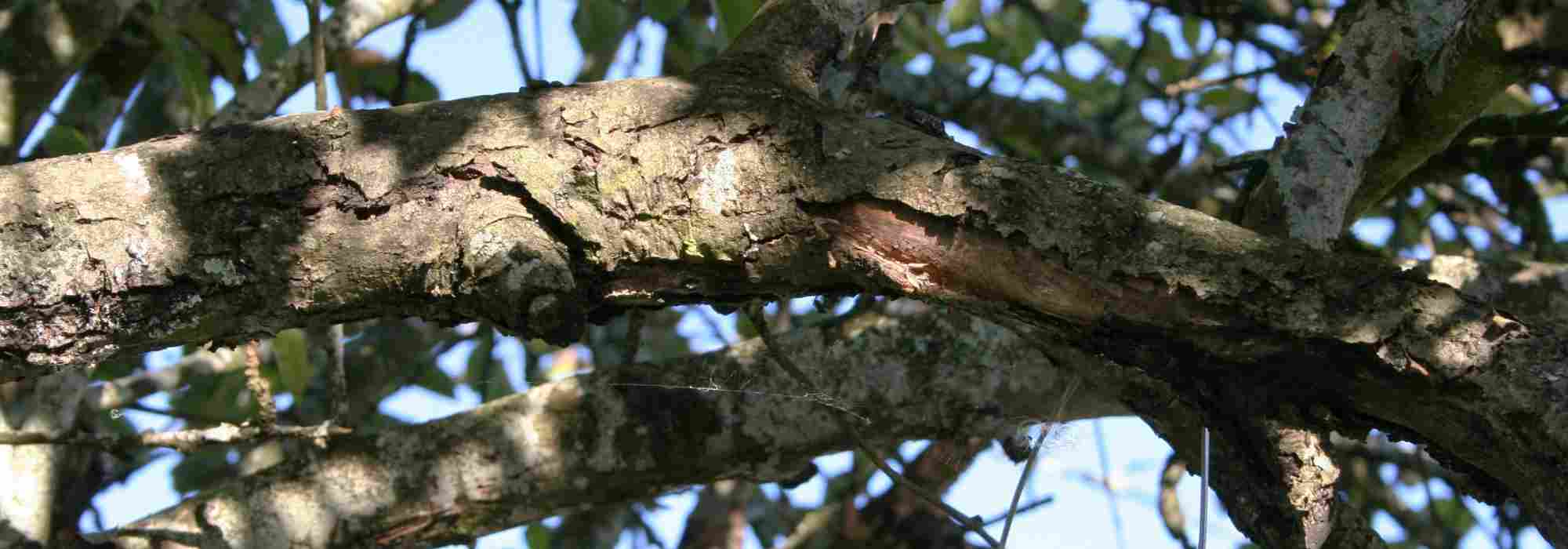
Pruning is not necessary, except to remove dead branches or balance the habit. However, to make it denser, the tips of the branches can be lightly pruned just after flowering. Pruning later will compromise the flowering of the following year.
Planting period
Intended location
Care
Planting & care advice
-
-
-
-
-
-
-

-
-
, onOrder confirmed
Reply from on Promesse de fleurs
Recently viewed products
Haven't found what you were looking for?
Hardiness is the lowest winter temperature a plant can endure without suffering serious damage or even dying. However, hardiness is affected by location (a sheltered area, such as a patio), protection (winter cover) and soil type (hardiness is improved by well-drained soil).

The flowering period indicated on our website applies to countries and regions located in USDA zone 8 (France, the United Kingdom, Ireland, the Netherlands, etc.)
It will vary according to where you live:- In zones 9 to 10 (Italy, Spain, Greece, etc.), flowering will occur about 2 to 4 weeks earlier.
- In zones 6 to 7 (Germany, Poland, Slovenia, and lower mountainous regions), flowering will be delayed by 2 to 3 weeks.
- In zone 5 (Central Europe, Scandinavia), blooming will be delayed by 3 to 5 weeks.
In temperate climates, pruning of spring-flowering shrubs (forsythia, spireas, etc.) should be done just after flowering.
Pruning of summer-flowering shrubs (Indian Lilac, Perovskia, etc.) can be done in winter or spring.
In cold regions as well as with frost-sensitive plants, avoid pruning too early when severe frosts may still occur.
The planting period indicated on our website applies to countries and regions located in USDA zone 8 (France, United Kingdom, Ireland, Netherlands).
It will vary according to where you live:
- In Mediterranean zones (Marseille, Madrid, Milan, etc.), autumn and winter are the best planting periods.
- In continental zones (Strasbourg, Munich, Vienna, etc.), delay planting by 2 to 3 weeks in spring and bring it forward by 2 to 4 weeks in autumn.
- In mountainous regions (the Alps, Pyrenees, Carpathians, etc.), it is best to plant in late spring (May-June) or late summer (August-September).
The harvesting period indicated on our website applies to countries and regions in USDA zone 8 (France, England, Ireland, the Netherlands).
In colder areas (Scandinavia, Poland, Austria...) fruit and vegetable harvests are likely to be delayed by 3-4 weeks.
In warmer areas (Italy, Spain, Greece, etc.), harvesting will probably take place earlier, depending on weather conditions.
The sowing periods indicated on our website apply to countries and regions within USDA Zone 8 (France, UK, Ireland, Netherlands).
In colder areas (Scandinavia, Poland, Austria...), delay any outdoor sowing by 3-4 weeks, or sow under glass.
In warmer climes (Italy, Spain, Greece, etc.), bring outdoor sowing forward by a few weeks.
Shipping country and language
Your country of residence may be:
Your country of residence is:
For a better user experience on our website, you can select:
Your shipping country:
-
 Austria
-
 Belgium
-
 Bosnia & Herzegovina
-
 Bulgaria
-
 Croatia
-
 Cyprus
-
 Czechia
-
 Denmark
-
 Estonia
-
 Finland
-
 France
-
 Germany
-
 Greece
-
 Hungary
-
 Iceland
-
 Ireland
-
 Italy
Italy
-
 Latvia
-
 Liechtenstein
-
 Lithuania
-
 Luxembourg
-
 Malta
Malta
-
 Netherlands
-
 Poland
-
 Portugal
-
 Romania
-
 Serbia
-
 Slovakia
-
 Slovenia
-
 Spain
Spain
-
 Sweden
-
 Switzerland
Language:
-
French
-
 English
-
Spanish
-
Italian
-
German
-
Portuguese
-
Dutch
-
Finnish
My Account
Hello
My wish lists
My cart
Log in / Register
Existing customer?
This form is protected by reCAPTCHA - the Google Privacy Policy and Terms of Service apply.
New customer?
Create an account to track your orders, access our customer service and, if you wish, make the most of our upcoming offers.