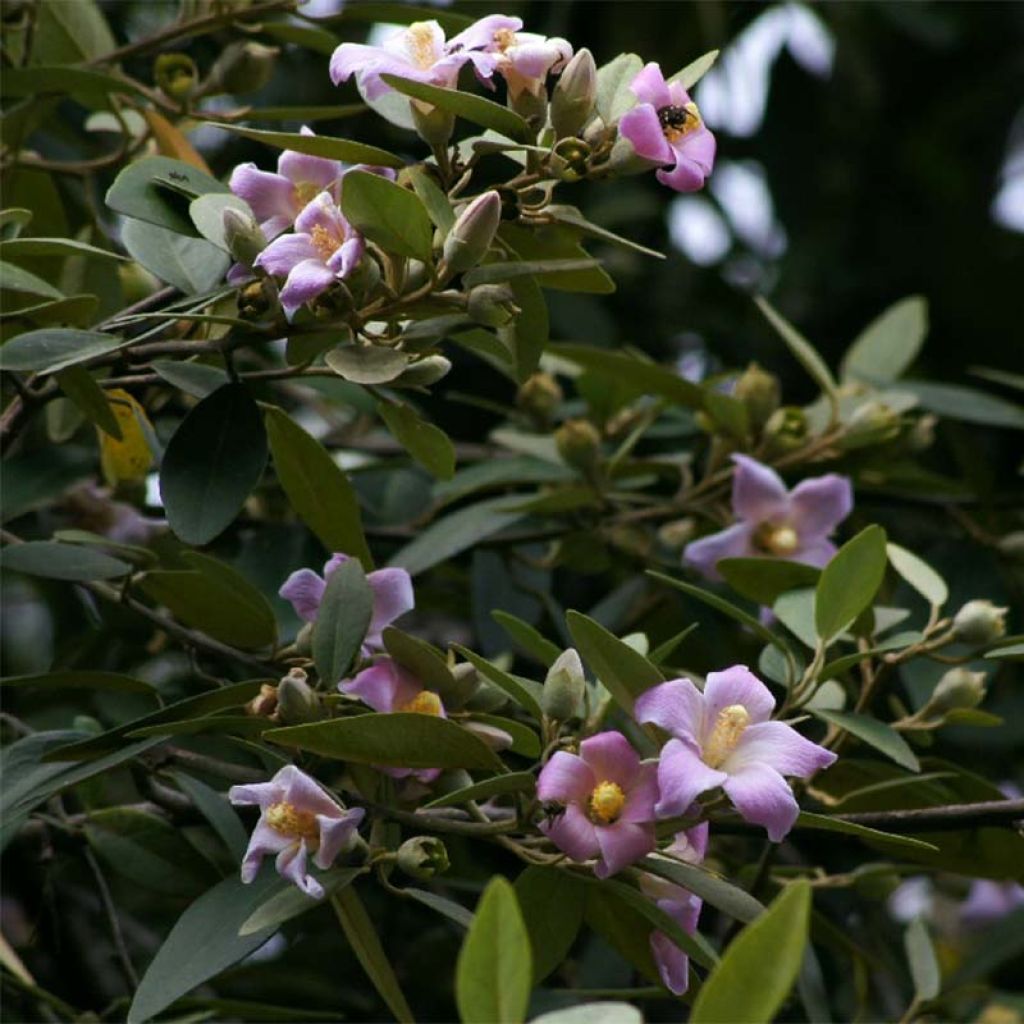
Lagunaria patersonii - Norfolk Island Hibiscus
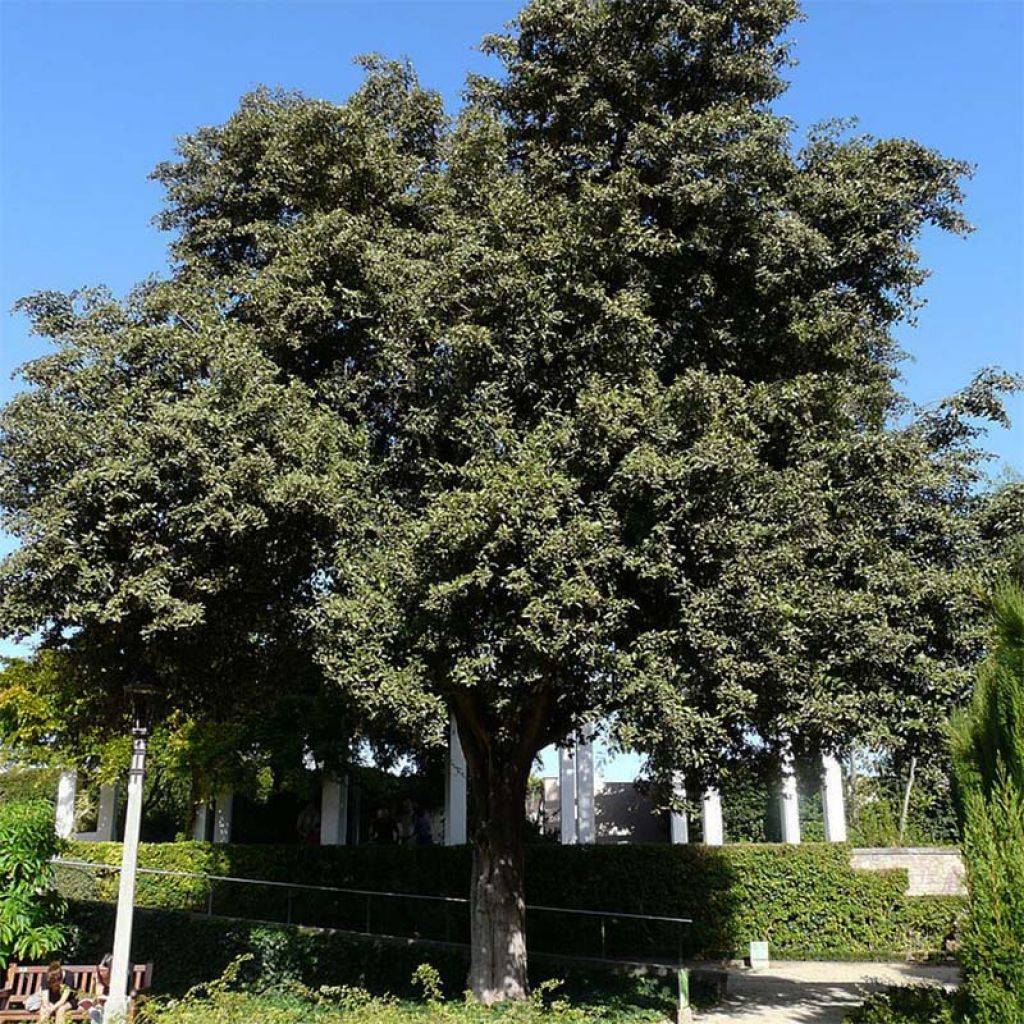
Lagunaria patersonii - Norfolk Island Hibiscus
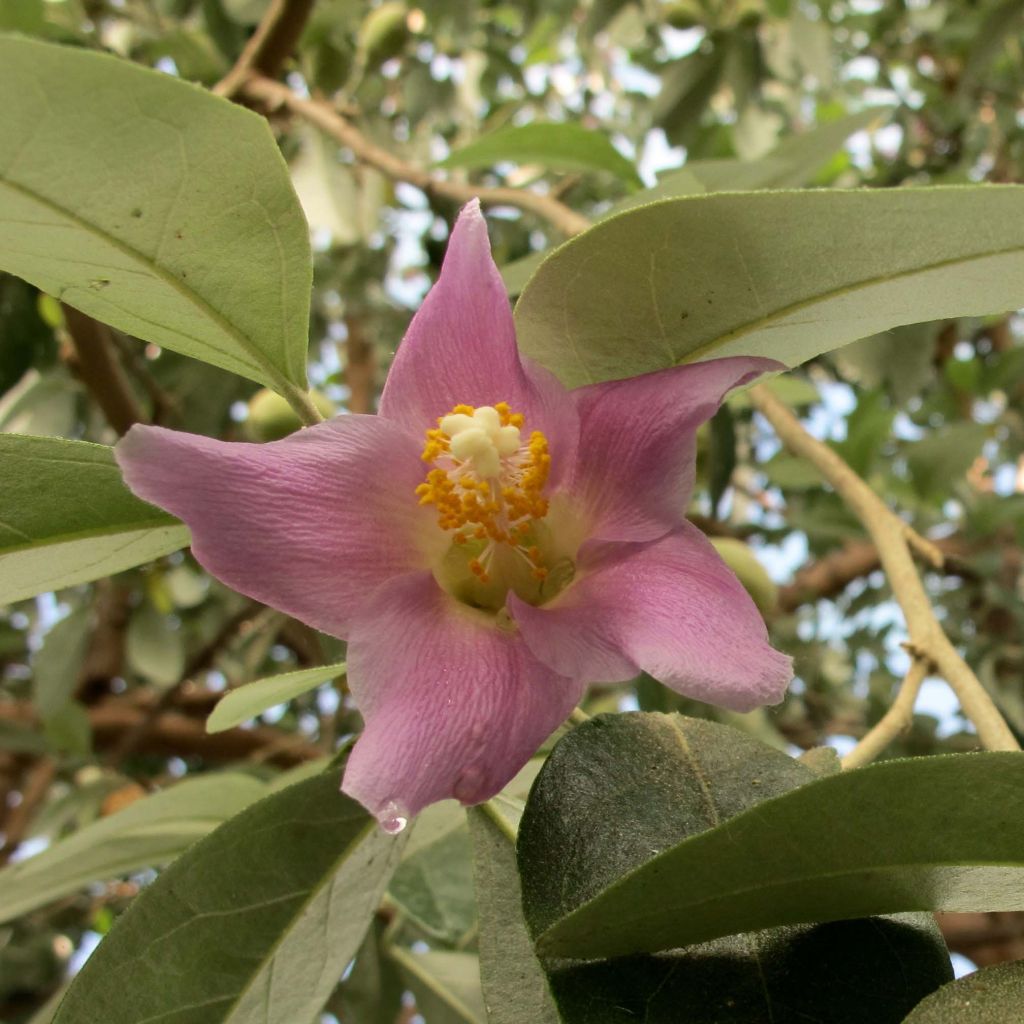
Lagunaria patersonii - Norfolk Island Hibiscus
Lagunaria patersonii - Norfolk Island Hibiscus
Lagunaria patersonii
Cow Itch Tree, Norfolk Island Hibiscus, Pyramid Tree, Queensland White Oak
I recently found one on the shopping promenade in Bandol (Var), like a "city tree", and I had it identified on Wikipedia. Since it was in October, I haven't seen its flowers yet.
Gérard, 20/10/2020
Back-to-school special offer!
Get €10 off for every €50 you spend! And get up to €40 off on a single order.
How does it work?
1. Shop your favourites
Add your favourite plants to your basket. For every €50 you spend (excluding delivery charges, store credit and the plastic-free option), you’ll receive a €10 voucher.
€50 spent = €10 voucher
€100 spent = €20 voucher
€150 spent = €30 voucher
€200 spent = €40 voucher
2. Place your order
Once your basket reaches one of the spending thresholds, place your order. You can even choose your delivery date!
3. Receive your voucher
As soon as your order has been shipped, you’ll receive an email containing your personal voucher code and its value.
4. Use it on your next order
Your voucher is valid for 90 days from the date you receive it. It can be used once only, on a new order worth at least the value of the voucher, excluding delivery charges.
Please note: Vouchers can be combined with other offers, but cannot be split or refunded.
Why not try an alternative variety in stock?
View all →
Available in 1 sizes
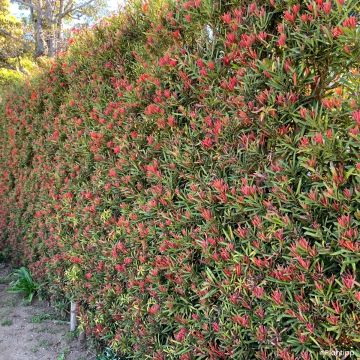
Available in 1 sizes
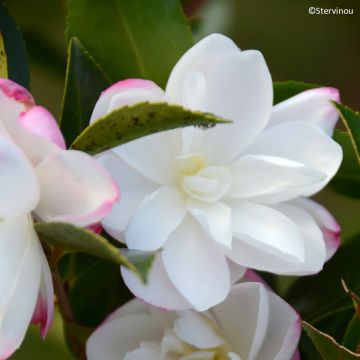
Available in 1 sizes
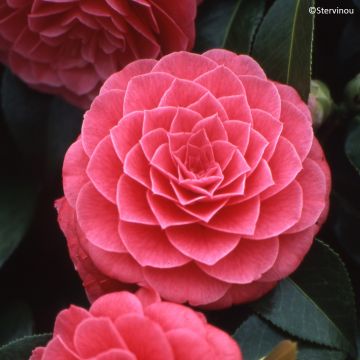
Available in 1 sizes
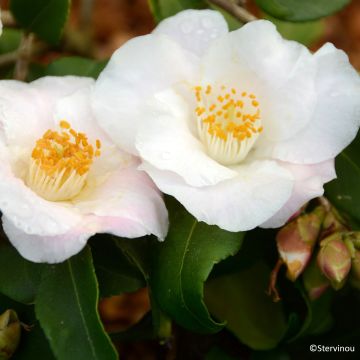
Available in 1 sizes
Available in 1 sizes
Available in 1 sizes
Available in 1 sizes
Available in 1 sizes
Available in 1 sizes
This plant carries a 24 months recovery warranty
More information
We guarantee the quality of our plants for a full growing cycle, and will replace at our expense any plant that fails to recover under normal climatic and planting conditions.

Would this plant suit my garden?
Set up your Plantfit profile →
Description
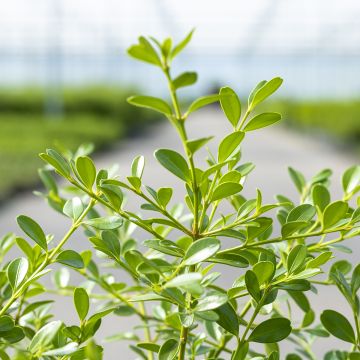
The Lagunaria patersonii, also known as the 'Norfolk Island Hibiscus' due to its Australian origins, is a small evergreen tree with numerous qualities. Adorned with a beautiful summer flowering, requiring little regarding soil nature, it is perfectly resistant to sea spray and tolerates summer drought quite well once established. If this plant is cultivated less often in our gardens, it is because of its poor resistance to cold, which condemns it from -5°C (23 °F). In summer, with its pretty hibiscus flowers of a pearlescent pink tucked in the axil of each of its olive-green leaves, it is as charming as a camellia in winter or a Japanese cherry tree in early spring! It will work wonders planted solitary in a small seaside garden. Its slow growth and good pruning tolerance allow its cultivation in a large pot for many years, which allows gardeners in colder climates to enjoy its beautiful flowering in the beautiful season on the terrace, and to shelter it from severe frosts in a cold greenhouse or a slightly heated veranda.
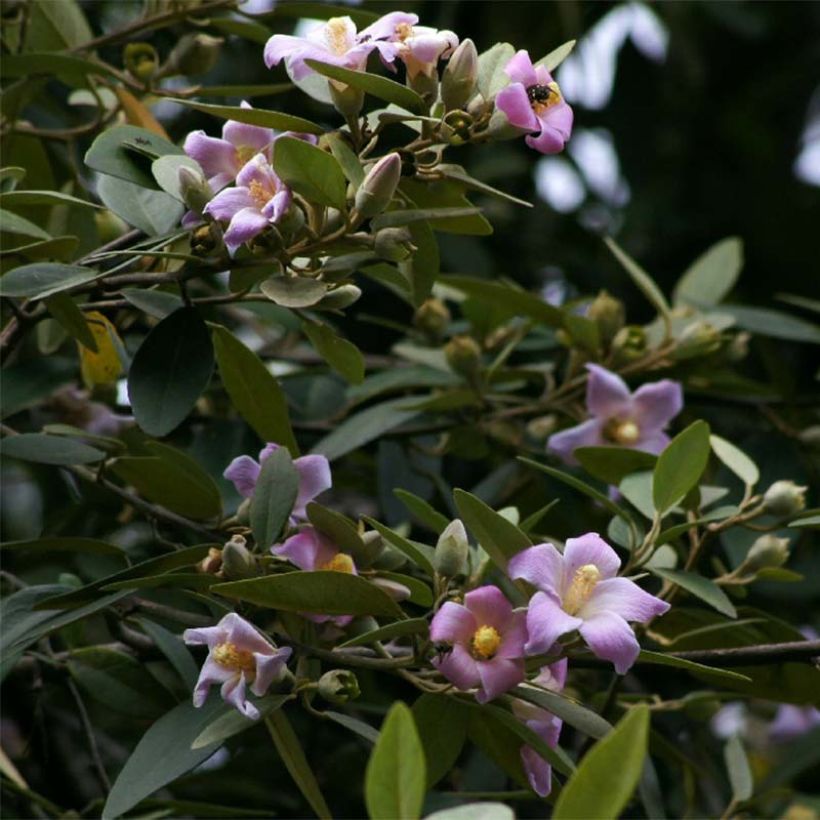
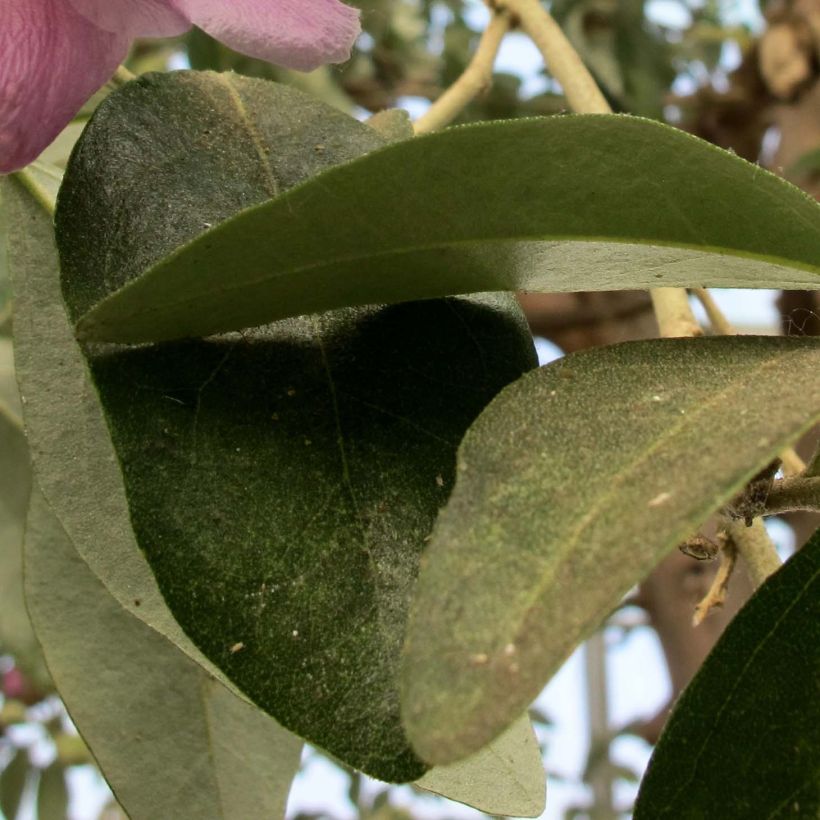
The Lagunaria patersonii (synonym Hibiscus patersonius, Solandra squamea) is a small tree belonging to the mallow family, such as hollyhocks and marshmallow. It is native to Australia, specifically from Norfolk and Lord Howe Islands, and Queensland. It has a lovely pyramidal habit and will reach about 5m (16 ft 5 in) in height and 2m (6 ft 7 in) in span, after many years. It bears ovate, tough leaves, covered with grey hairs, denser on the back. They are 5 to 10 cm (2 to 3.9 in) long and have an olive green upper surface, while the underside is greyer, very villous. Flowering begins at the end of June and lasts about 2 weeks. The flowers, solitary, 5cm (2 in) wide, are composed of 5 reflexed petals of waxy texture, arranged in an open cup, surrounding a central column composed of the pistil and yellow stamens. They bloom in a fresh pink, then become almost white at ripeness. They are followed by the formation of a large number of fruits, which are capsules. Each, persisting a few months on the tree, is lined with bristles reputed to be irritating to the skin, and contains smooth light orange seeds.
The Lagunaria patersonii is appreciated in privileged climates or in a large pot for the beauty of its flowering, despite its rather short duration. Easy to grow, it tolerates sea spray well, making it a good subject to plant in a windbreak hedge in a coastal garden. When planted in a wind-swept area, it sometimes takes on a somewhat distorted, contorted, tormented habit, with a singular graphic. It can be associated in a flowering hedge with Feijoa, Lagerstroemia, Sophora davidii and Myrtus communis Pumila. On the terrace, it can accompany for example an oleander, a Melaleuca gibbosa, and a Caesalpinia gilliesii.
Report an error about the product description
Lagunaria patersonii - Norfolk Island Hibiscus in pictures
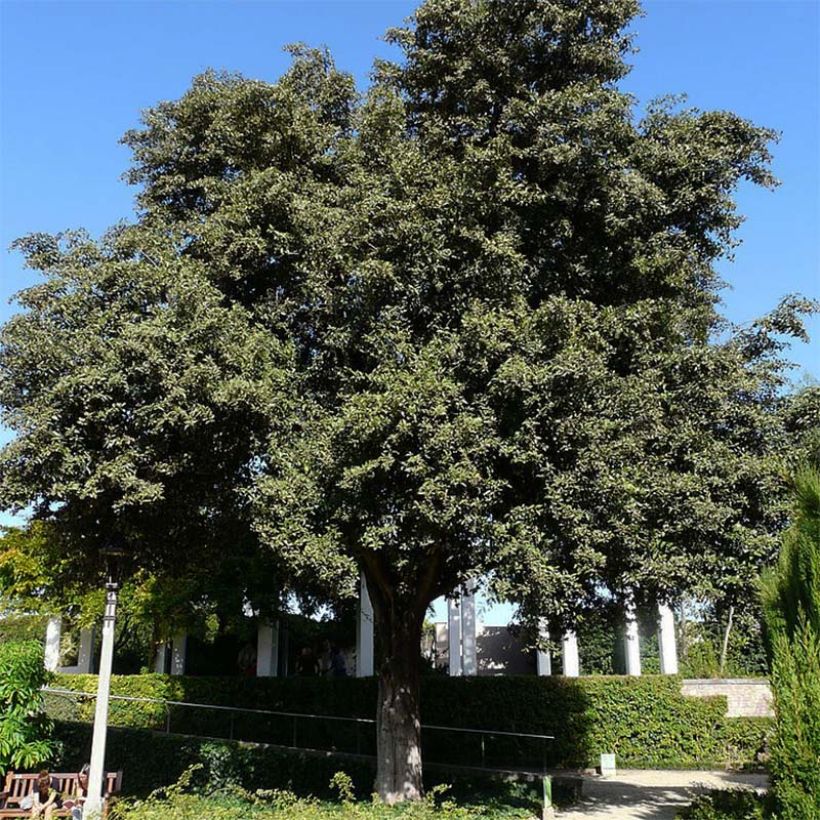
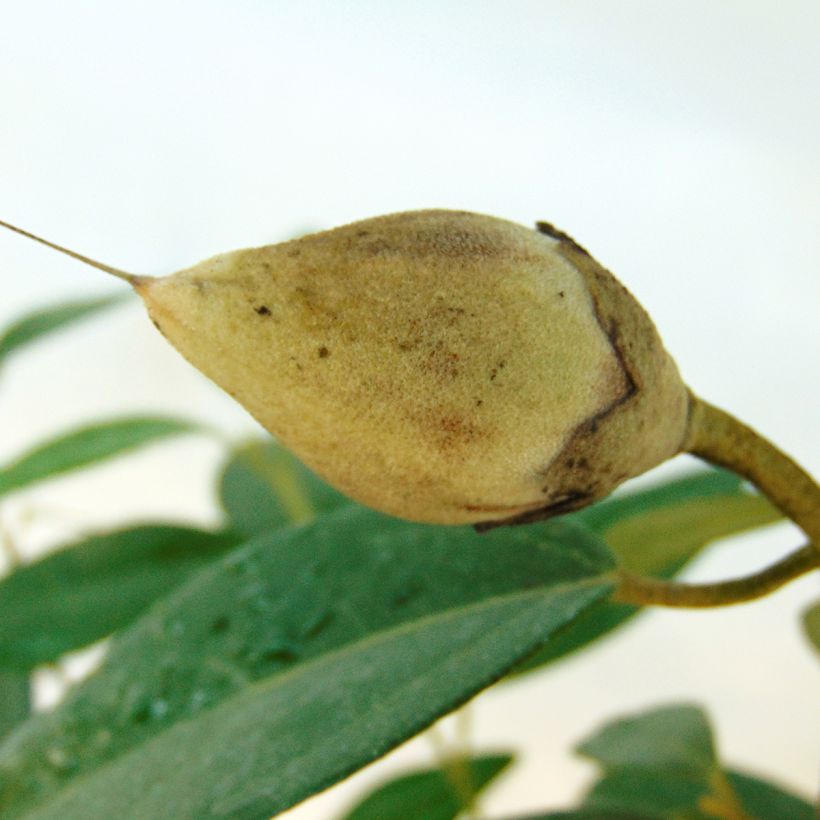
Plant habit
Flowering
Foliage
Botanical data
Lagunaria
patersonii
Malvaceae
Cow Itch Tree, Norfolk Island Hibiscus, Pyramid Tree, Queensland White Oak
Australia
Planting and care
The Lagunaria patersonii is planted in the spring, in open ground in a very mild climate or in a large pot. It requires full sun to flower well. Install this plant in a drained, ordinary soil. While it prefers cool soils, it resists summer drought quite well once established. Not demanding in terms of soil type, it accepts both acidic and neutral or slightly calcareous soils, as long as they are deep and pliable. The plant, not very hardy, dies at -5°C (23 °F). The foliage will be damaged from -2°C (28.4 °F). The Lagunaria copes well with pruning, which is to be carried out after flowering.
If it has no enemies in our climates, this small tree is quite sensitive to root rot, in insufficiently drained soil.
Propagation by sowing, taking care with the irritating bristles contained within the fruit.
Planting period
Intended location
Care
Planting & care advice
-
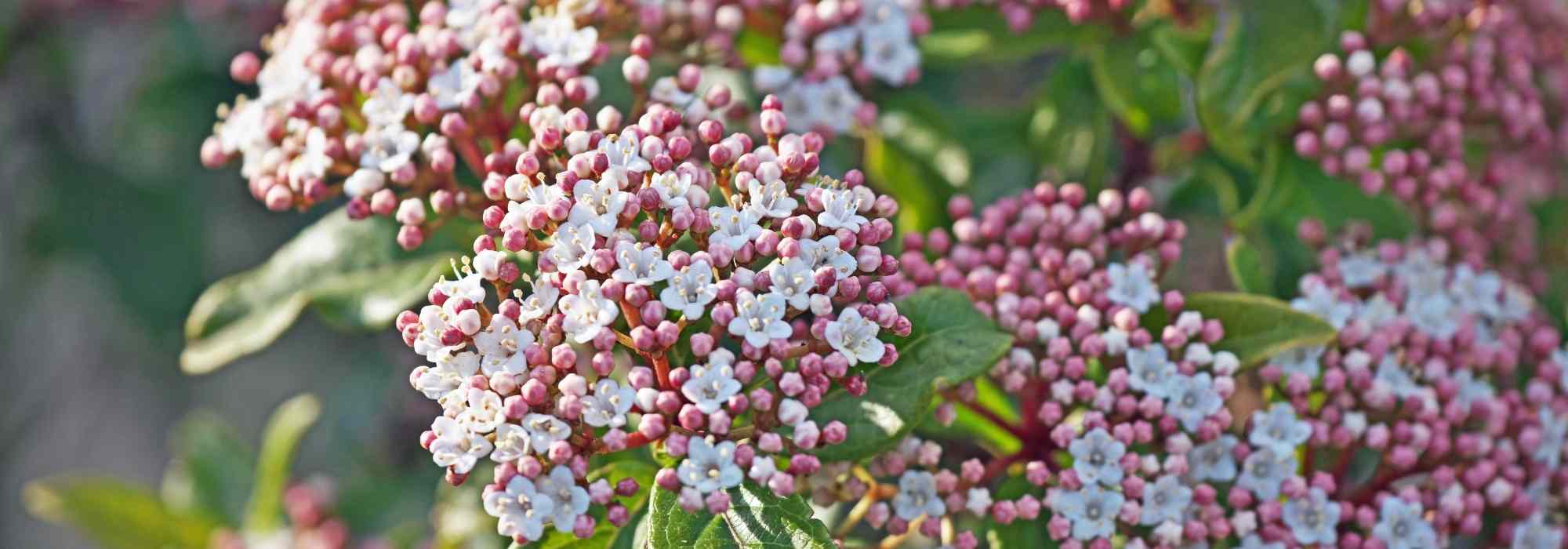
-
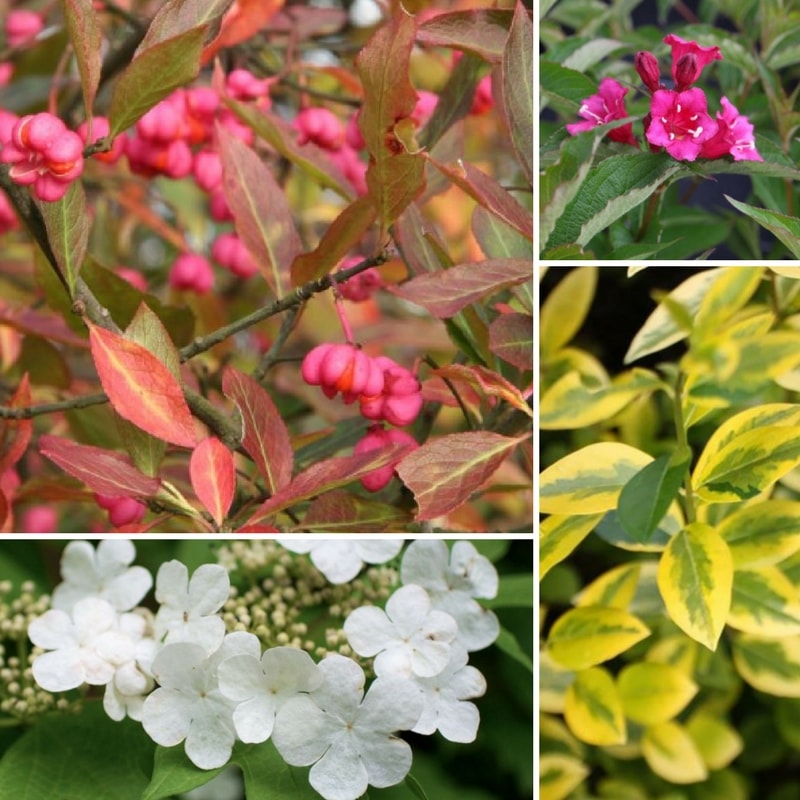
-
-
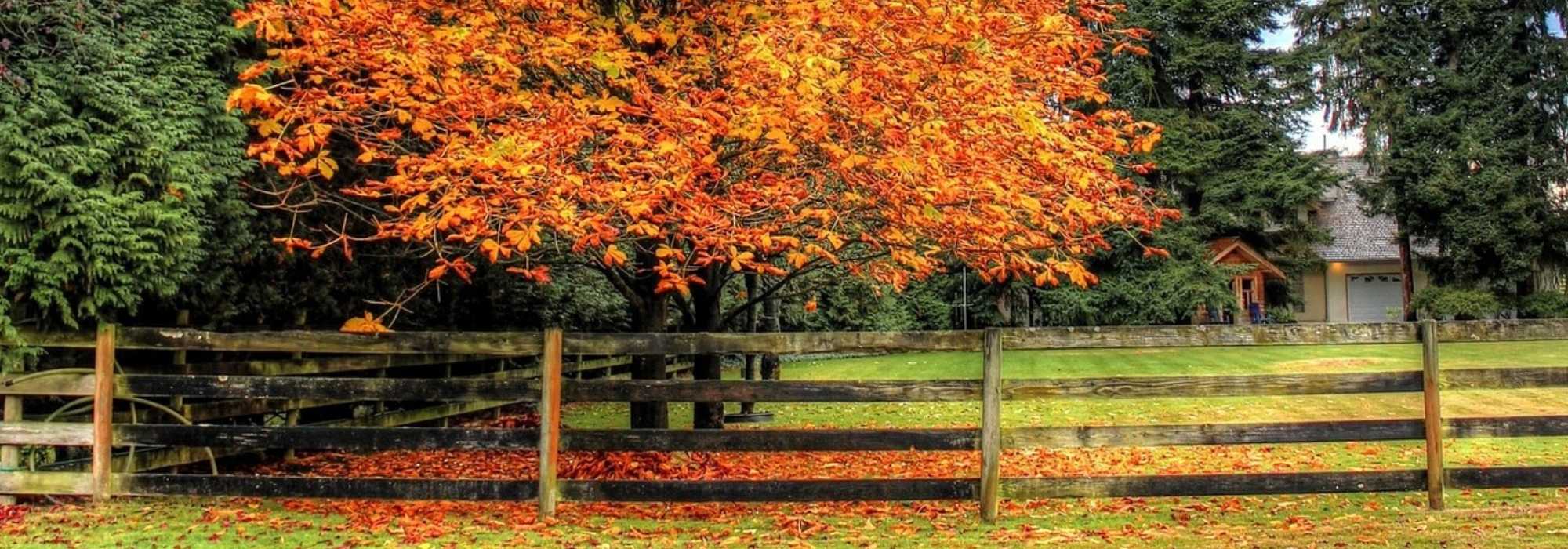
-
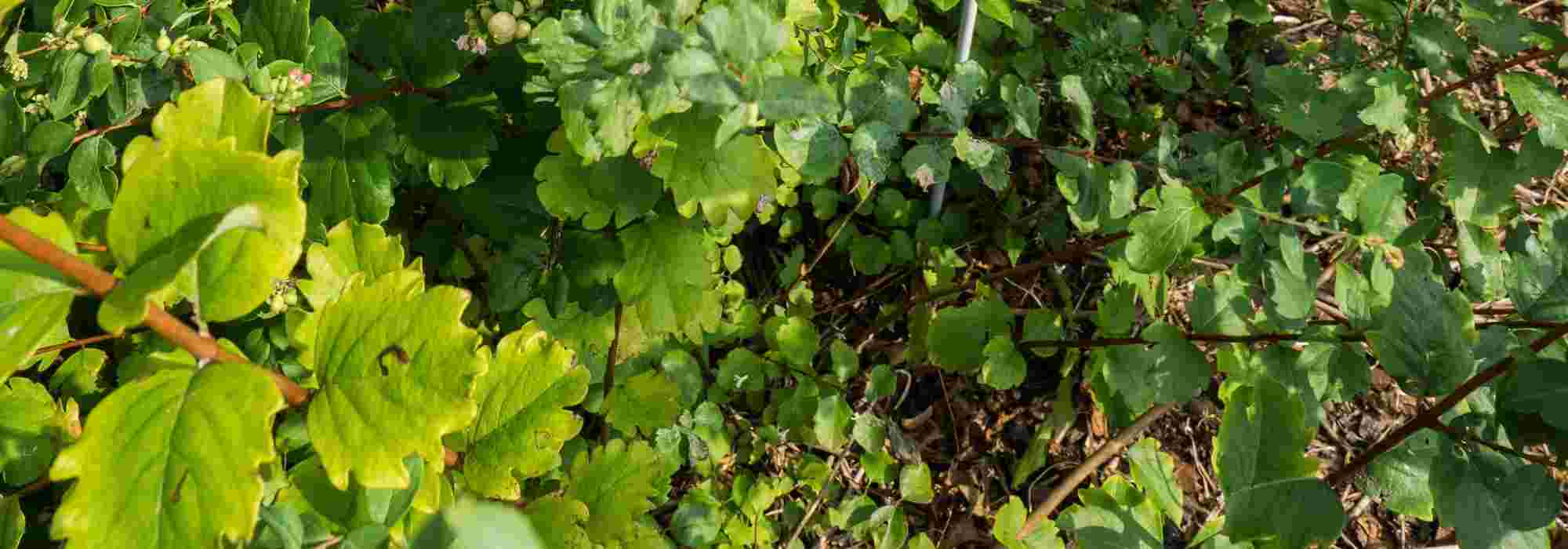
-
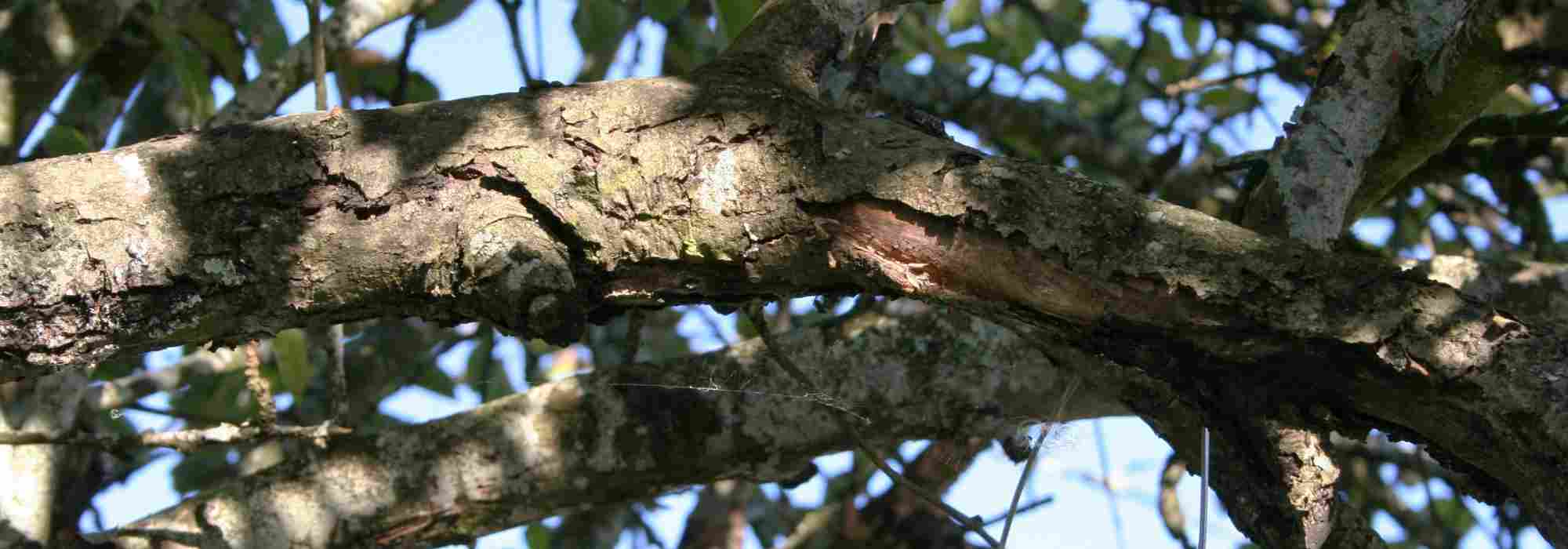
-

-
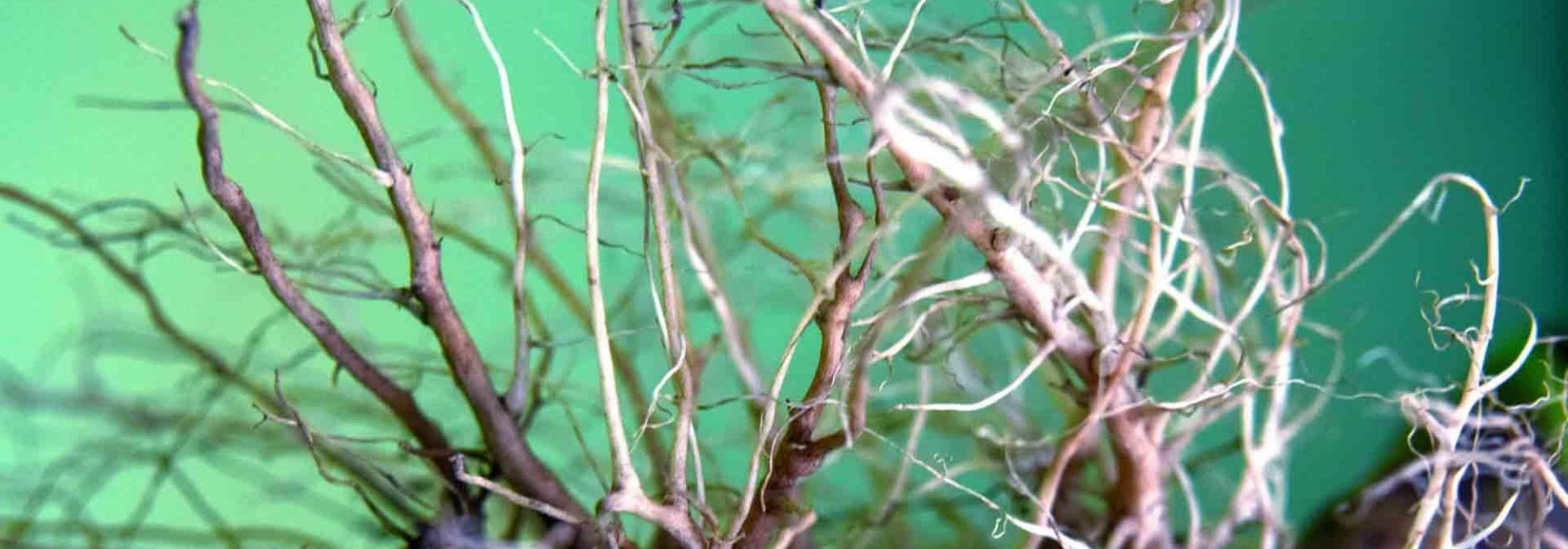
-
, onOrder confirmed
Reply from on Promesse de fleurs
Recently viewed products
Haven't found what you were looking for?
Hardiness is the lowest winter temperature a plant can endure without suffering serious damage or even dying. However, hardiness is affected by location (a sheltered area, such as a patio), protection (winter cover) and soil type (hardiness is improved by well-drained soil).

The flowering period indicated on our website applies to countries and regions located in USDA zone 8 (France, the United Kingdom, Ireland, the Netherlands, etc.)
It will vary according to where you live:- In zones 9 to 10 (Italy, Spain, Greece, etc.), flowering will occur about 2 to 4 weeks earlier.
- In zones 6 to 7 (Germany, Poland, Slovenia, and lower mountainous regions), flowering will be delayed by 2 to 3 weeks.
- In zone 5 (Central Europe, Scandinavia), blooming will be delayed by 3 to 5 weeks.
In temperate climates, pruning of spring-flowering shrubs (forsythia, spireas, etc.) should be done just after flowering.
Pruning of summer-flowering shrubs (Indian Lilac, Perovskia, etc.) can be done in winter or spring.
In cold regions as well as with frost-sensitive plants, avoid pruning too early when severe frosts may still occur.
The planting period indicated on our website applies to countries and regions located in USDA zone 8 (France, United Kingdom, Ireland, Netherlands).
It will vary according to where you live:
- In Mediterranean zones (Marseille, Madrid, Milan, etc.), autumn and winter are the best planting periods.
- In continental zones (Strasbourg, Munich, Vienna, etc.), delay planting by 2 to 3 weeks in spring and bring it forward by 2 to 4 weeks in autumn.
- In mountainous regions (the Alps, Pyrenees, Carpathians, etc.), it is best to plant in late spring (May-June) or late summer (August-September).
The harvesting period indicated on our website applies to countries and regions in USDA zone 8 (France, England, Ireland, the Netherlands).
In colder areas (Scandinavia, Poland, Austria...) fruit and vegetable harvests are likely to be delayed by 3-4 weeks.
In warmer areas (Italy, Spain, Greece, etc.), harvesting will probably take place earlier, depending on weather conditions.
The sowing periods indicated on our website apply to countries and regions within USDA Zone 8 (France, UK, Ireland, Netherlands).
In colder areas (Scandinavia, Poland, Austria...), delay any outdoor sowing by 3-4 weeks, or sow under glass.
In warmer climes (Italy, Spain, Greece, etc.), bring outdoor sowing forward by a few weeks.
Shipping country and language
Your country of residence may be:
Your country of residence is:
For a better user experience on our website, you can select:
Your shipping country:
-
 Austria
-
 Belgium
-
 Bosnia & Herzegovina
-
 Bulgaria
-
 Croatia
-
 Cyprus
-
 Czechia
-
 Denmark
-
 Estonia
-
 Finland
-
 France
-
 Germany
-
 Greece
-
 Hungary
-
 Iceland
-
 Ireland
-
 Italy
Italy
-
 Latvia
-
 Liechtenstein
-
 Lithuania
-
 Luxembourg
-
 Malta
Malta
-
 Netherlands
-
 Poland
-
 Portugal
-
 Romania
-
 Serbia
-
 Slovakia
-
 Slovenia
-
 Spain
Spain
-
 Sweden
-
 Switzerland
Language:
-
French
-
 English
-
Spanish
-
Italian
-
German
-
Portuguese
-
Dutch
-
Finnish
My Account
Hello
My wish lists
My cart
Log in / Register
Existing customer?
This form is protected by reCAPTCHA - the Google Privacy Policy and Terms of Service apply.
New customer?
Create an account to track your orders, access our customer service and, if you wish, make the most of our upcoming offers.