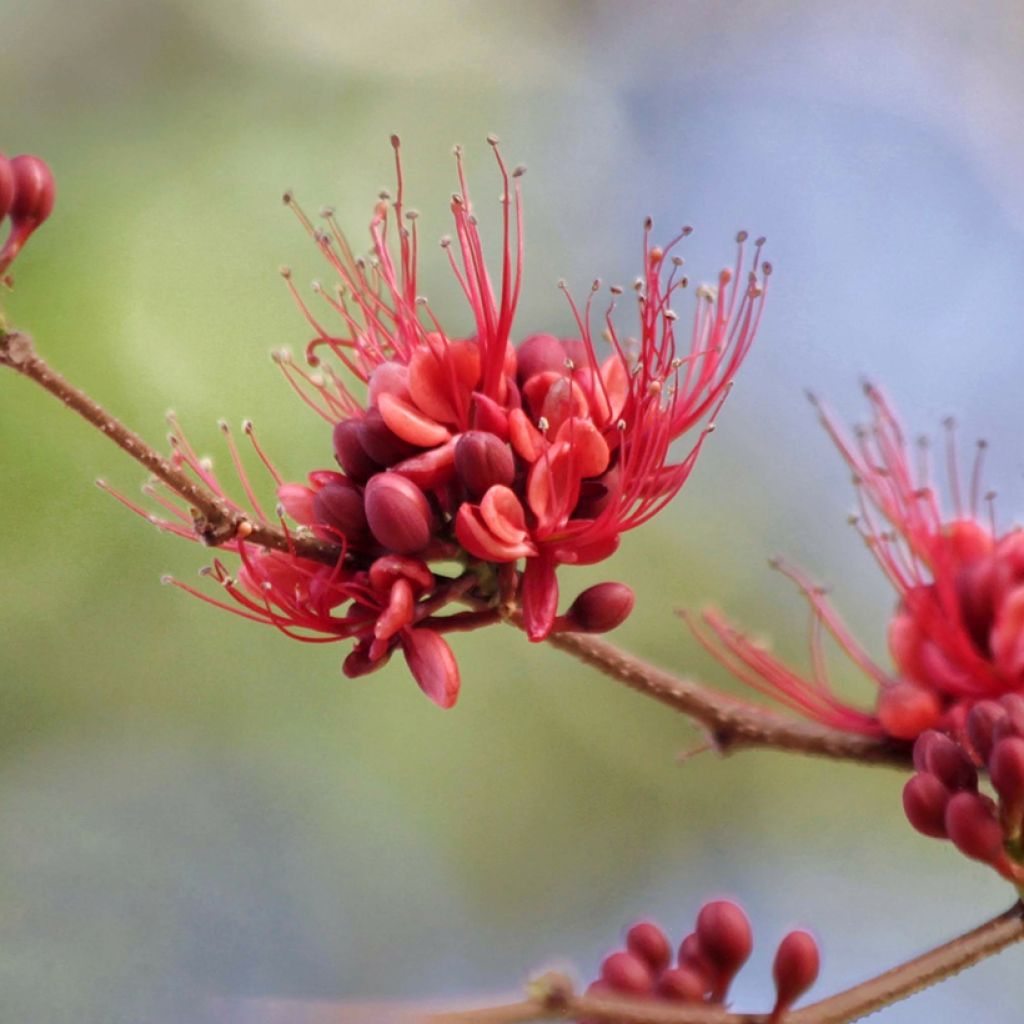
Schotia brachypetala - Drunken parrot tree
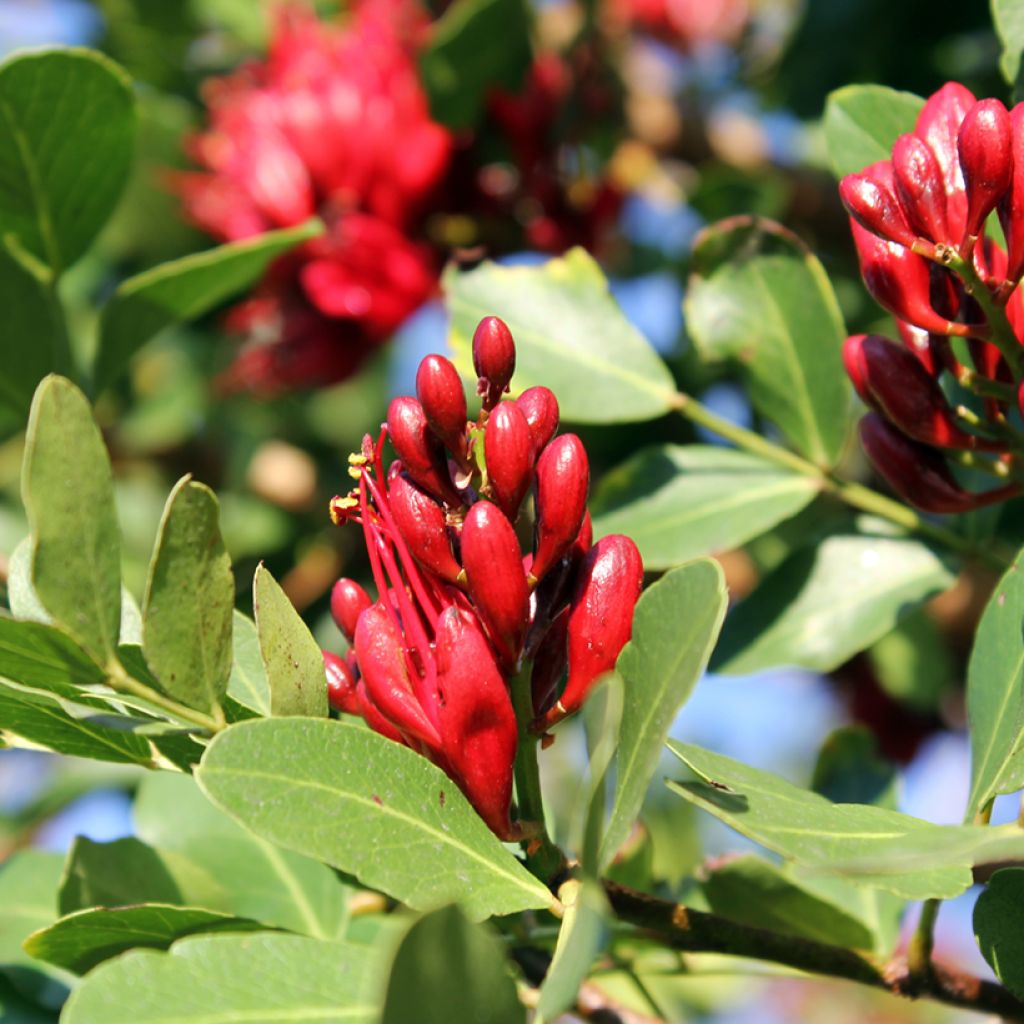
Schotia brachypetala - Drunken parrot tree
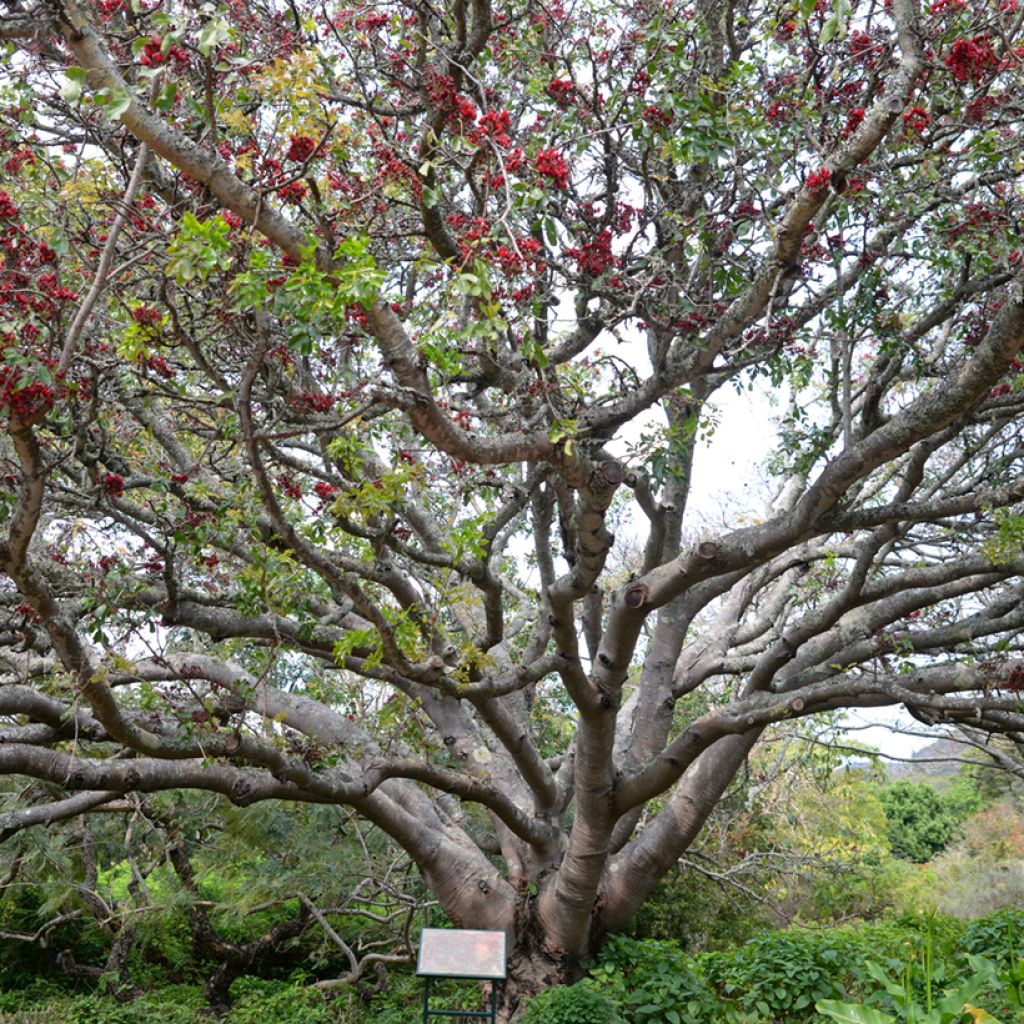
Schotia brachypetala - Drunken parrot tree
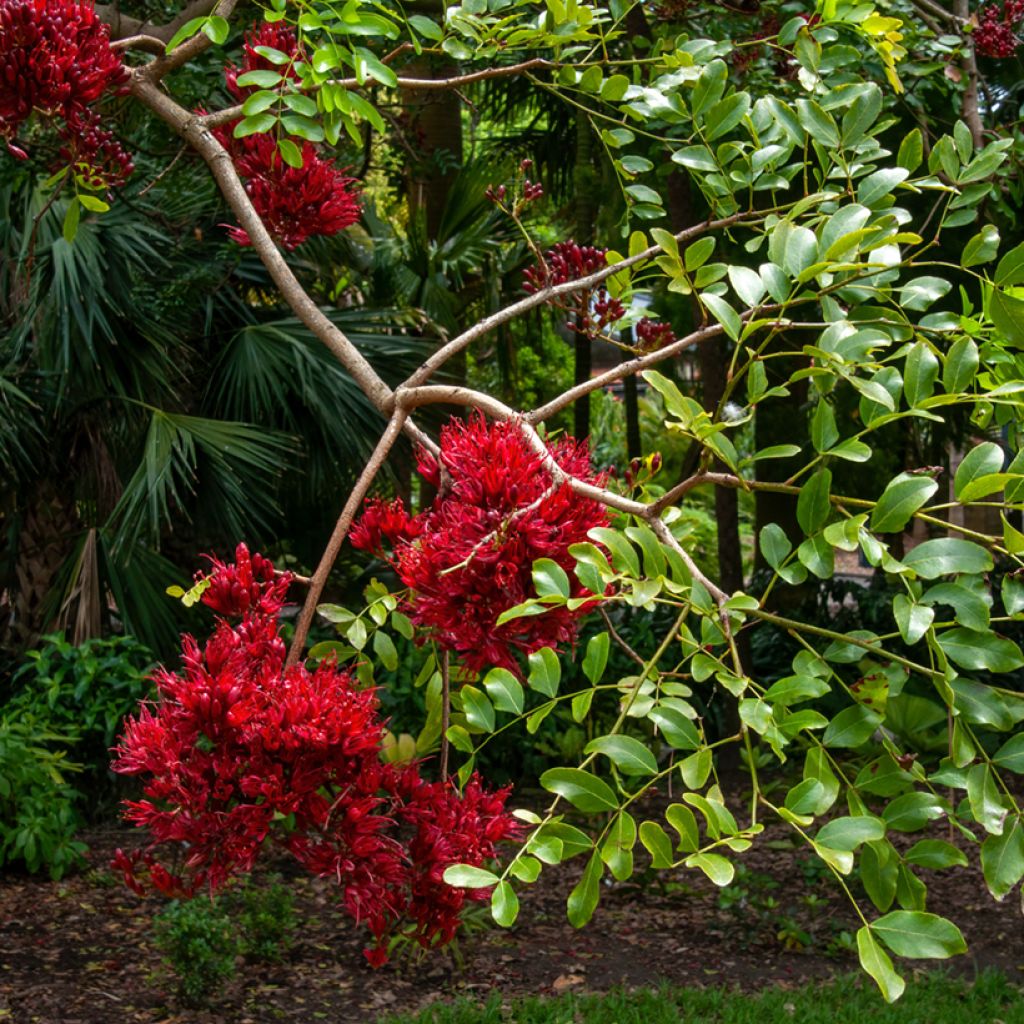
Schotia brachypetala - Drunken parrot tree
Schotia brachypetala - Drunken parrot tree
Schotia brachypetala - Drunken parrot tree
Schotia brachypetala
Weeping Boer Bean, Drunken Parrot Tree
Back-to-school special offer!
Get €10 off for every €50 you spend! And get up to €40 off on a single order.
How does it work?
1. Shop your favourites
Add your favourite plants to your basket. For every €50 you spend (excluding delivery charges, store credit and the plastic-free option), you’ll receive a €10 voucher.
€50 spent = €10 voucher
€100 spent = €20 voucher
€150 spent = €30 voucher
€200 spent = €40 voucher
2. Place your order
Once your basket reaches one of the spending thresholds, place your order. You can even choose your delivery date!
3. Receive your voucher
As soon as your order has been shipped, you’ll receive an email containing your personal voucher code and its value.
4. Use it on your next order
Your voucher is valid for 90 days from the date you receive it. It can be used once only, on a new order worth at least the value of the voucher, excluding delivery charges.
Please note: Vouchers can be combined with other offers, but cannot be split or refunded.
Why not try an alternative variety in stock?
View all →
Available in 1 sizes

Available in 1 sizes

Available in 1 sizes
Available in 1 sizes

Available in 1 sizes

Available in 1 sizes
Available in 1 sizes
Available in 1 sizes
Available in 1 sizes
Available in 1 sizes
This plant carries a 24 months recovery warranty
More information
We guarantee the quality of our plants for a full growing cycle, and will replace at our expense any plant that fails to recover under normal climatic and planting conditions.
Would this plant suit my garden?
Set up your Plantfit profile →
Description
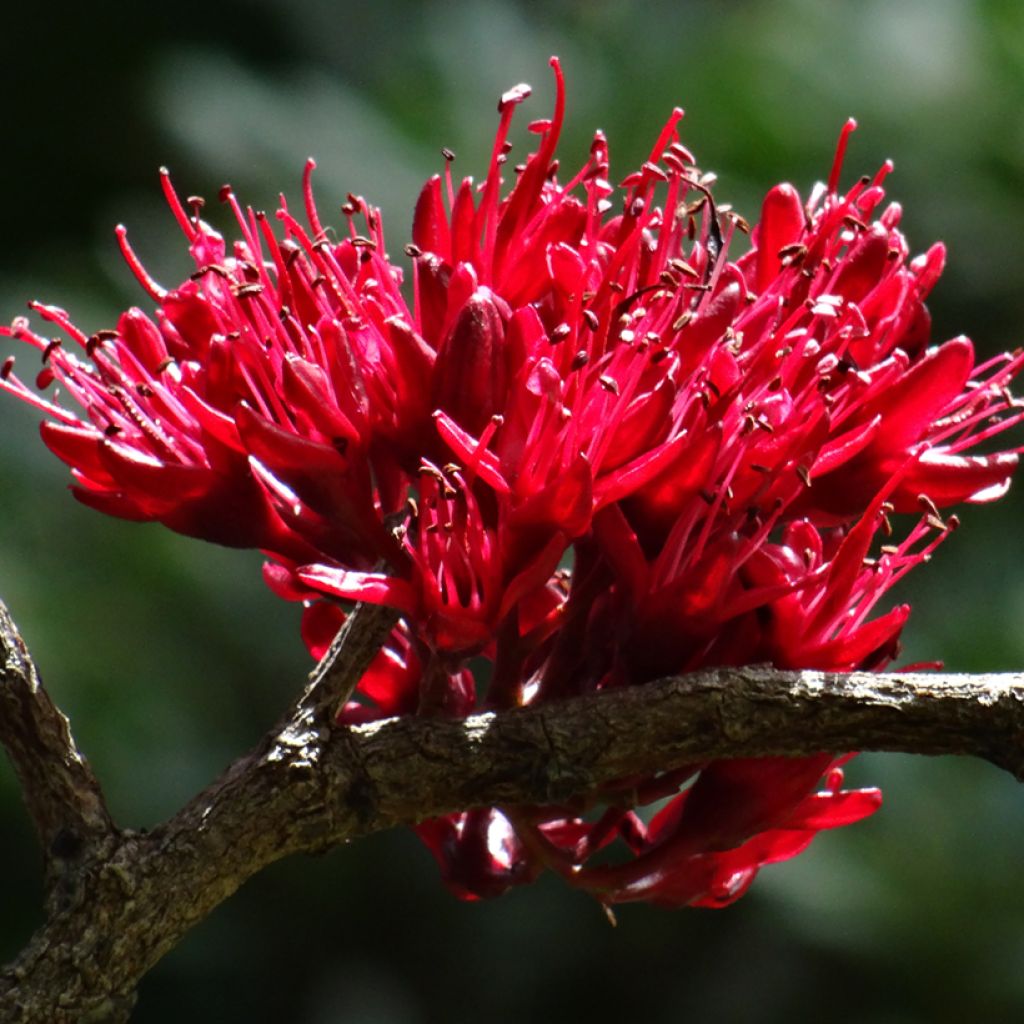
Schotia brachypetala, nicknamed the Weeping Boerbean, is a tree renowned for its spectacular scarlet-red flowering. Native to southern Africa, it is cherished there for its broad crown that provides welcome shade, as well as for its exceptional drought resistance. It can be grown outdoors in very mild regions, particularly along the Mediterranean coast. In colder areas, it should be cultivated in a pot so it can be protected from frost during winter by being brought indoors.
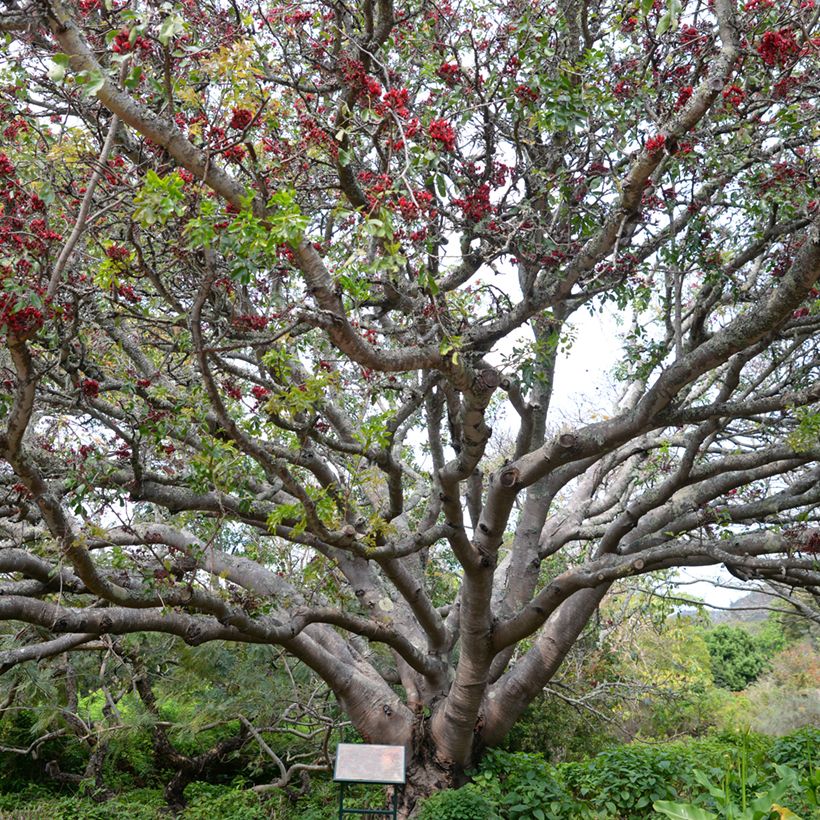
Schotia brachypetala belongs to the Fabaceae family and grows naturally in South Africa, Mozambique, Zimbabwe, and Namibia, where it is often found in savannas and dry forest edges. In its natural habitat, it can reach 15 m in height, but in our climate, it typically grows to 6 to 12 m, with a spread of 5 to 8 m when planted in the ground. When grown in a pot, its growth is much more modest. Depending on the container size and growing conditions, it may reach a height of 2 to 3 m, with a proportional spread.
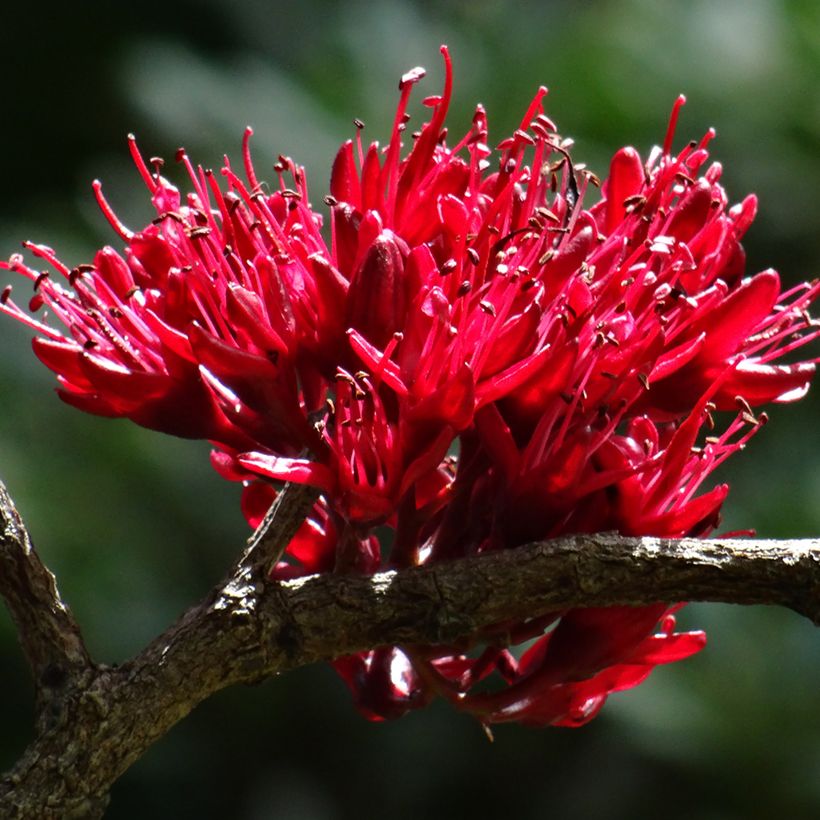
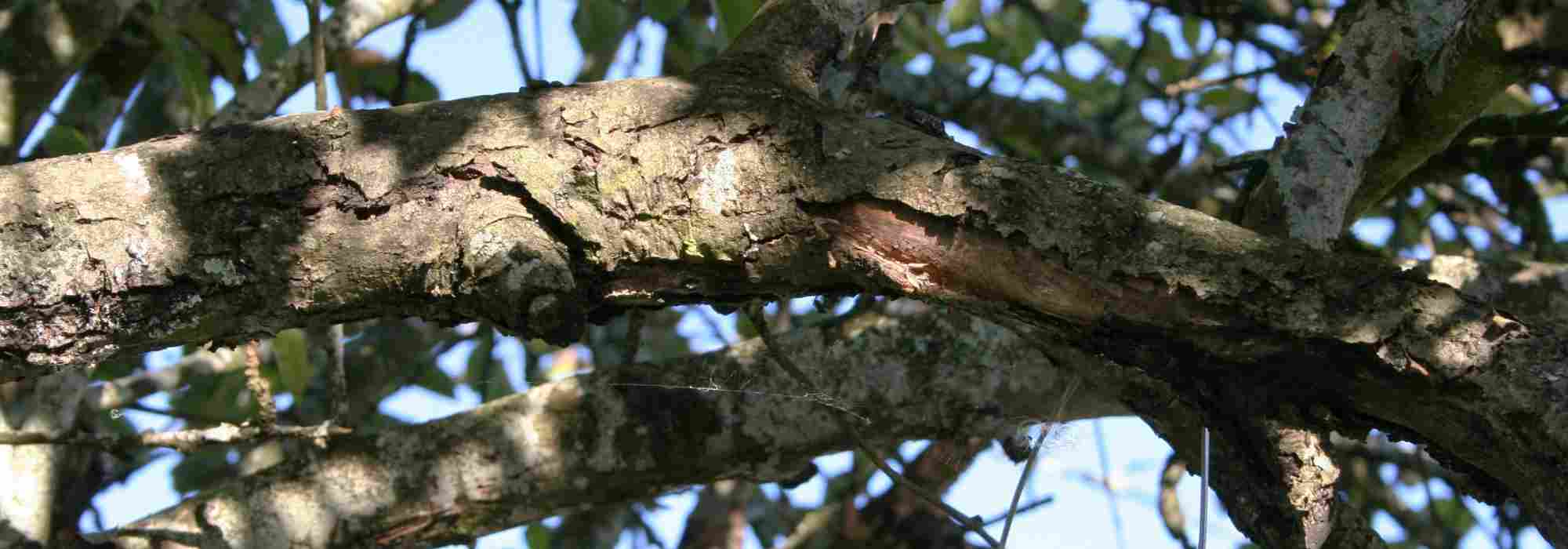
Its habit is spreading and slightly trailing. Its foliage is evergreen to semi-evergreen, depending on the climate, sometimes deciduous during the dry season. The compound and pinnate leaves measure 10 to 20 cm long and are a glossy dark green at maturity, while young shoots display stunning coppery hues. The vibrant red flowering of the Weeping Boerbean occurs in our latitudes mainly in spring and summer, between May and August. The flowers, clustered in dense 10 to 20 cm clusters, produce an abundance of nectar that attracts bees, butterflies, and birds. This nectar may drip from the flowers, giving the impression that the tree is "weeping," hence its nickname. The flowers grow directly on the branches and even on the trunk, a phenomenon called cauliflory. A slight leaf drop before flowering is possible, especially in climates where winter is marked by a dry period. In its natural habitat, this tree experiences distinct wet and dry seasons. In dry climates, it may enter partial dormancy, temporarily shedding its leaves to conserve water, then bursting into bloom at the first rains or temperature rise. After flowering, the tree develops 10 to 25 cm long, woody brown pods containing edible seeds. Its trunk is covered in grey-brown bark, becoming slightly rough with age. Its root system is strong and deep, allowing it to withstand drought periods well. However, it is best not to plant it too close to structures or ducts.
The growth of Schotia brachypetala is moderate, around 30 to 50 cm per year under good conditions. It is hardy down to -4/-5 °C, making it suitable for Mediterranean climates and sheltered areas.
In the ground, in mild climates, Schotia brachypetala is stunning as a standalone specimen; it can fully flourish and provide lovely shade. It is also perfect for structuring a large Mediterranean garden. In cooler regions, it can be grown in a large pot and overwintered in a greenhouse or bright conservatory. In the garden, pair it with the wonderful Jacaranda mimosifolia, with its delicate foliage and spectacular blue flowers. This duo will create an unforgettable display. Erythrina crista-galli (or Cockspur Coral Tree) complements the Weeping Boerbean beautifully with its bright red flowers and elegant habit. Also consider purple honey locust 'Rubylace', drought-resistant and adorned with finely cut reddish foliage.
Report an error about the product description
Schotia brachypetala - Drunken parrot tree in pictures
Plant habit
Flowering
Foliage
Botanical data
Schotia
brachypetala
Fabaceae
Weeping Boer Bean, Drunken Parrot Tree
Guillandinodes brachypetalum
South Africa
Planting and care
Plant Schotia brachypetala in spring, in well-drained, sandy or slightly clayey soil, but always low in lime. It thrives in full sun, which promotes abundant flowering. When planted in the ground, it requires regular watering during the first year to ensure good root establishment, then becomes highly drought-resistant.
In pots, choose a container at least 50 cm in diameter, with drainage holes, using a mix of potting compost, sand and well-rotted manure. Water moderately, allowing the surface of the substrate to dry out between waterings. In winter, protect it from frost by overwintering in a bright conservatory or unheated greenhouse.
This tree responds well to pruning in late winter to maintain a balanced shape or control its growth. Light pruning after flowering encourages branching and promotes denser flowering the following year. It's also advisable to remove dead or poorly placed branches to improve air circulation within the crown.
Pests and diseases:
Mites, particularly red spider mites that infest the foliage when the air is too dry (in greenhouses or conservatories).
Planting period
Intended location
Care
Planting & care advice
-
-
-

-

-
-
-

-

This item has not been reviewed yet - be the first to leave a review about it.
Recently viewed products
Haven't found what you were looking for?
Hardiness is the lowest winter temperature a plant can endure without suffering serious damage or even dying. However, hardiness is affected by location (a sheltered area, such as a patio), protection (winter cover) and soil type (hardiness is improved by well-drained soil).

The flowering period indicated on our website applies to countries and regions located in USDA zone 8 (France, the United Kingdom, Ireland, the Netherlands, etc.)
It will vary according to where you live:- In zones 9 to 10 (Italy, Spain, Greece, etc.), flowering will occur about 2 to 4 weeks earlier.
- In zones 6 to 7 (Germany, Poland, Slovenia, and lower mountainous regions), flowering will be delayed by 2 to 3 weeks.
- In zone 5 (Central Europe, Scandinavia), blooming will be delayed by 3 to 5 weeks.
In temperate climates, pruning of spring-flowering shrubs (forsythia, spireas, etc.) should be done just after flowering.
Pruning of summer-flowering shrubs (Indian Lilac, Perovskia, etc.) can be done in winter or spring.
In cold regions as well as with frost-sensitive plants, avoid pruning too early when severe frosts may still occur.
The planting period indicated on our website applies to countries and regions located in USDA zone 8 (France, United Kingdom, Ireland, Netherlands).
It will vary according to where you live:
- In Mediterranean zones (Marseille, Madrid, Milan, etc.), autumn and winter are the best planting periods.
- In continental zones (Strasbourg, Munich, Vienna, etc.), delay planting by 2 to 3 weeks in spring and bring it forward by 2 to 4 weeks in autumn.
- In mountainous regions (the Alps, Pyrenees, Carpathians, etc.), it is best to plant in late spring (May-June) or late summer (August-September).
The harvesting period indicated on our website applies to countries and regions in USDA zone 8 (France, England, Ireland, the Netherlands).
In colder areas (Scandinavia, Poland, Austria...) fruit and vegetable harvests are likely to be delayed by 3-4 weeks.
In warmer areas (Italy, Spain, Greece, etc.), harvesting will probably take place earlier, depending on weather conditions.
The sowing periods indicated on our website apply to countries and regions within USDA Zone 8 (France, UK, Ireland, Netherlands).
In colder areas (Scandinavia, Poland, Austria...), delay any outdoor sowing by 3-4 weeks, or sow under glass.
In warmer climes (Italy, Spain, Greece, etc.), bring outdoor sowing forward by a few weeks.
Shipping country and language
Your country of residence may be:
Your country of residence is:
For a better user experience on our website, you can select:
Your shipping country:
-
 Austria
-
 Belgium
-
 Bosnia & Herzegovina
-
 Bulgaria
-
 Croatia
-
 Cyprus
-
 Czechia
-
 Denmark
-
 Estonia
-
 Finland
-
 France
-
 Germany
-
 Greece
-
 Hungary
-
 Iceland
-
 Ireland
-
 Italy
Italy
-
 Latvia
-
 Liechtenstein
-
 Lithuania
-
 Luxembourg
-
 Malta
Malta
-
 Netherlands
-
 Poland
-
 Portugal
-
 Romania
-
 Serbia
-
 Slovakia
-
 Slovenia
-
 Spain
Spain
-
 Sweden
-
 Switzerland
Language:
-
French
-
 English
-
Spanish
-
Italian
-
German
-
Portuguese
-
Dutch
-
Finnish
My Account
Hello
My wish lists
My cart
Log in / Register
Existing customer?
This form is protected by reCAPTCHA - the Google Privacy Policy and Terms of Service apply.
New customer?
Create an account to track your orders, access our customer service and, if you wish, make the most of our upcoming offers.