Tabebuia impetiginosa - Pink trumpet tree
Tabebuia impetiginosa - Pink trumpet tree
Tabebuia impetiginosa - Pink trumpet tree
Tabebuia impetiginosa - Pink trumpet tree
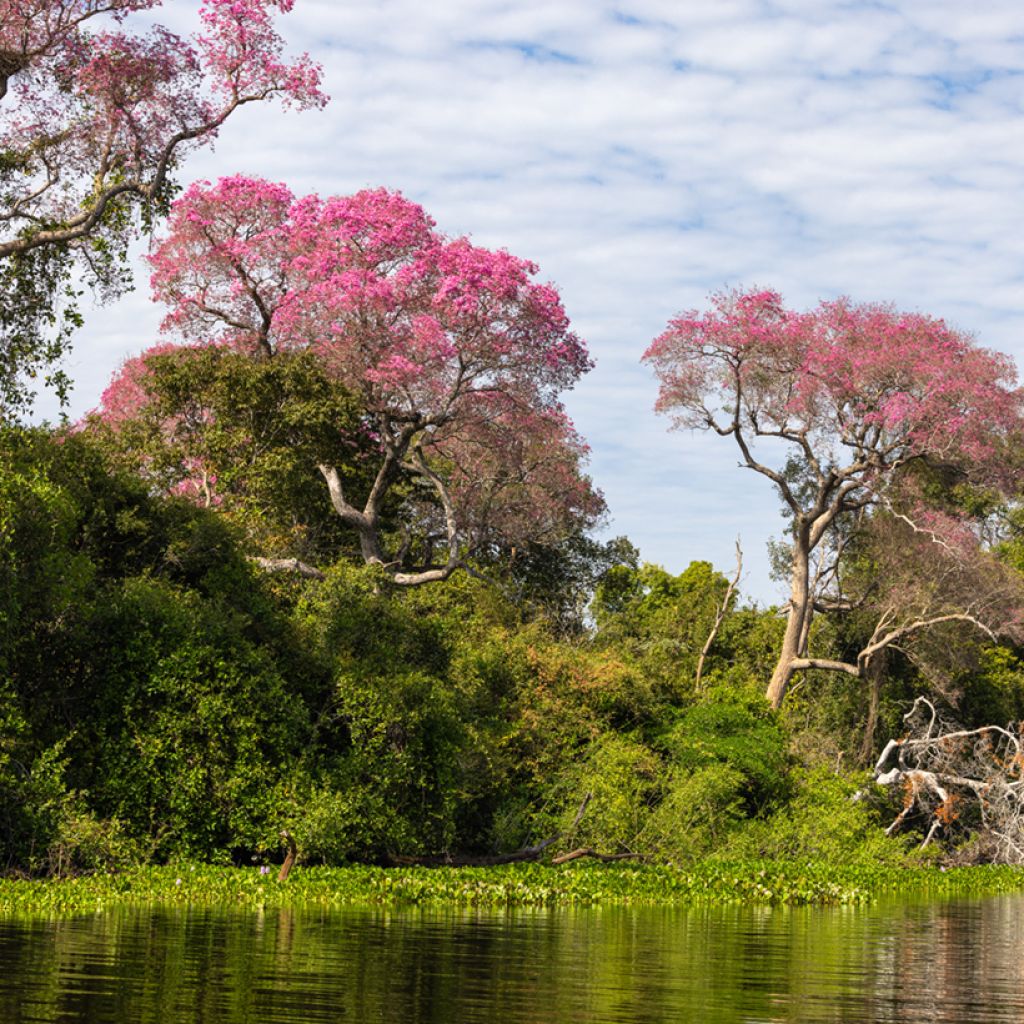
Tabebuia impetiginosa - Pink trumpet tree
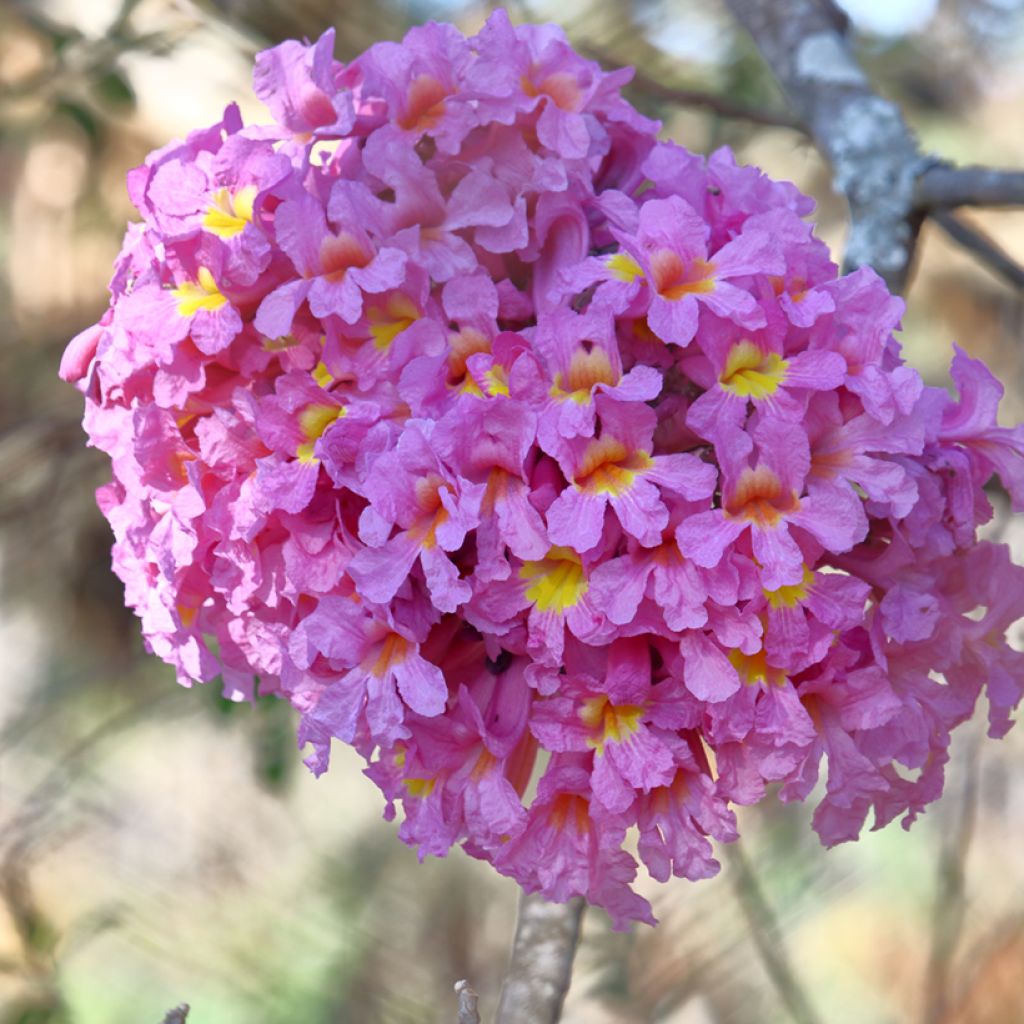
Tabebuia impetiginosa - Pink trumpet tree
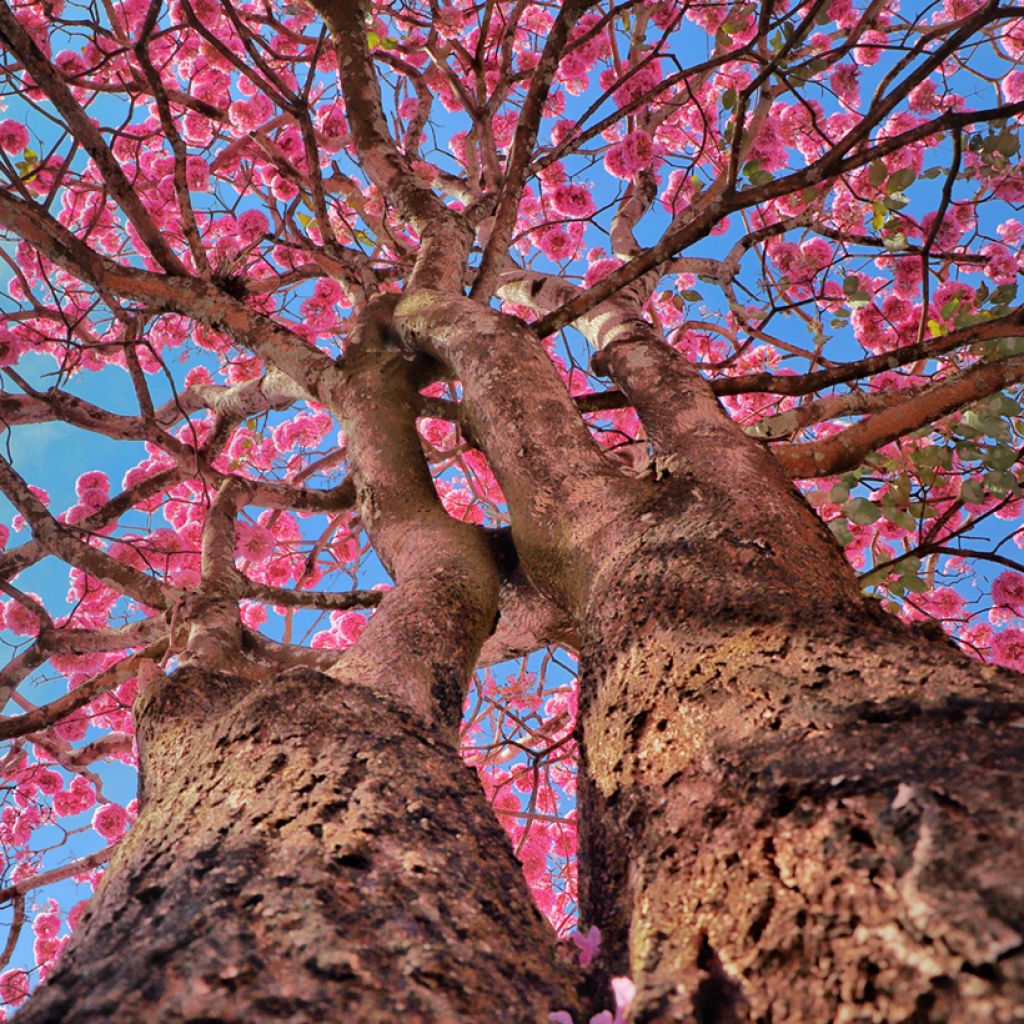
Tabebuia impetiginosa - Pink trumpet tree
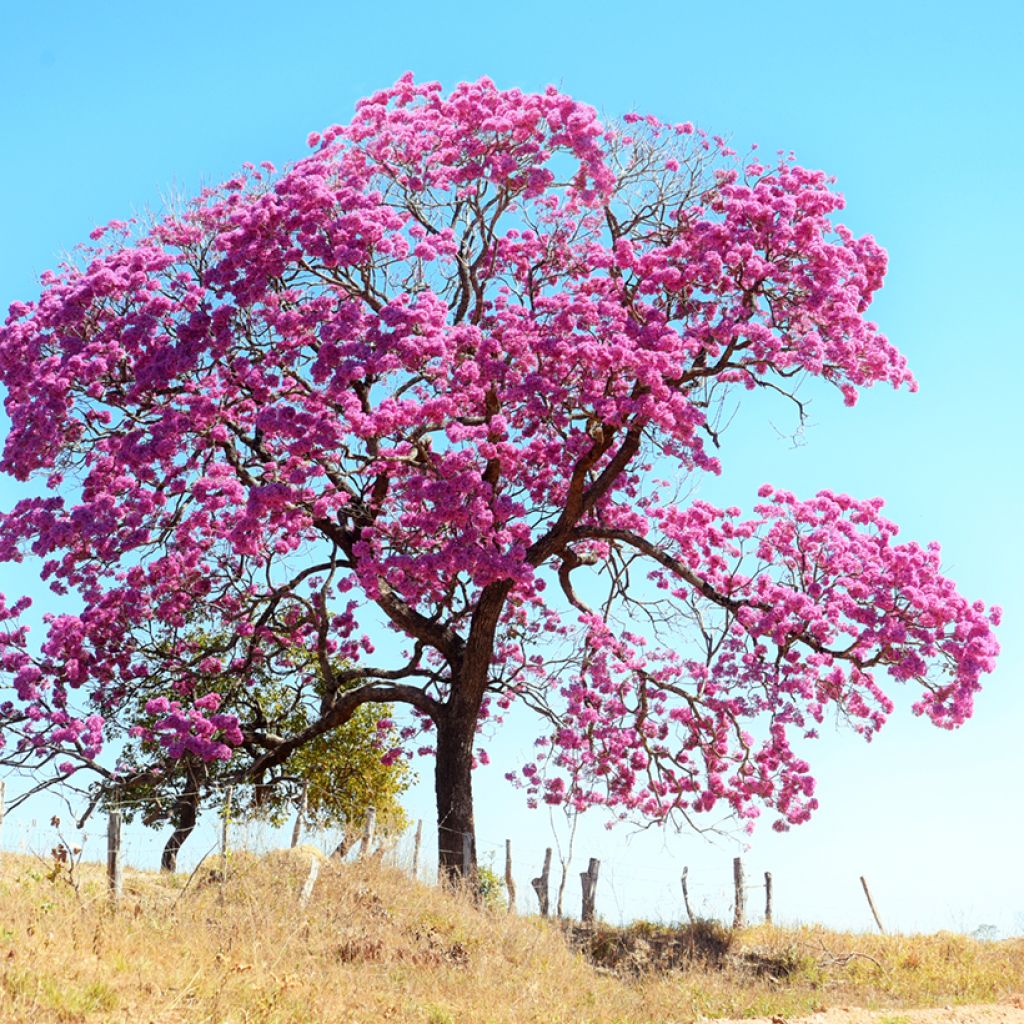
Tabebuia impetiginosa - Pink trumpet tree
Tabebuia impetiginosa - Pink trumpet tree
Tabebuia impetiginosa
Pink ipê, pink lapacho, pink trumpet tree, macuelizo enano
Back-to-school special offer!
Get €10 off for every €50 you spend! And get up to €40 off on a single order.
How does it work?
1. Shop your favourites
Add your favourite plants to your basket. For every €50 you spend (excluding delivery charges, store credit and the plastic-free option), you’ll receive a €10 voucher.
€50 spent = €10 voucher
€100 spent = €20 voucher
€150 spent = €30 voucher
€200 spent = €40 voucher
2. Place your order
Once your basket reaches one of the spending thresholds, place your order. You can even choose your delivery date!
3. Receive your voucher
As soon as your order has been shipped, you’ll receive an email containing your personal voucher code and its value.
4. Use it on your next order
Your voucher is valid for 90 days from the date you receive it. It can be used once only, on a new order worth at least the value of the voucher, excluding delivery charges.
Please note: Vouchers can be combined with other offers, but cannot be split or refunded.
Why not try an alternative variety in stock?
View all →
Available in 1 sizes
Available in 1 sizes
Available in 1 sizes
Available in 1 sizes

Available in 1 sizes
Available in 1 sizes
Available in 1 sizes
Available in 1 sizes

Available in 1 sizes
Available in 1 sizes
This plant carries a 24 months recovery warranty
More information
We guarantee the quality of our plants for a full growing cycle, and will replace at our expense any plant that fails to recover under normal climatic and planting conditions.
Would this plant suit my garden?
Set up your Plantfit profile →
Description
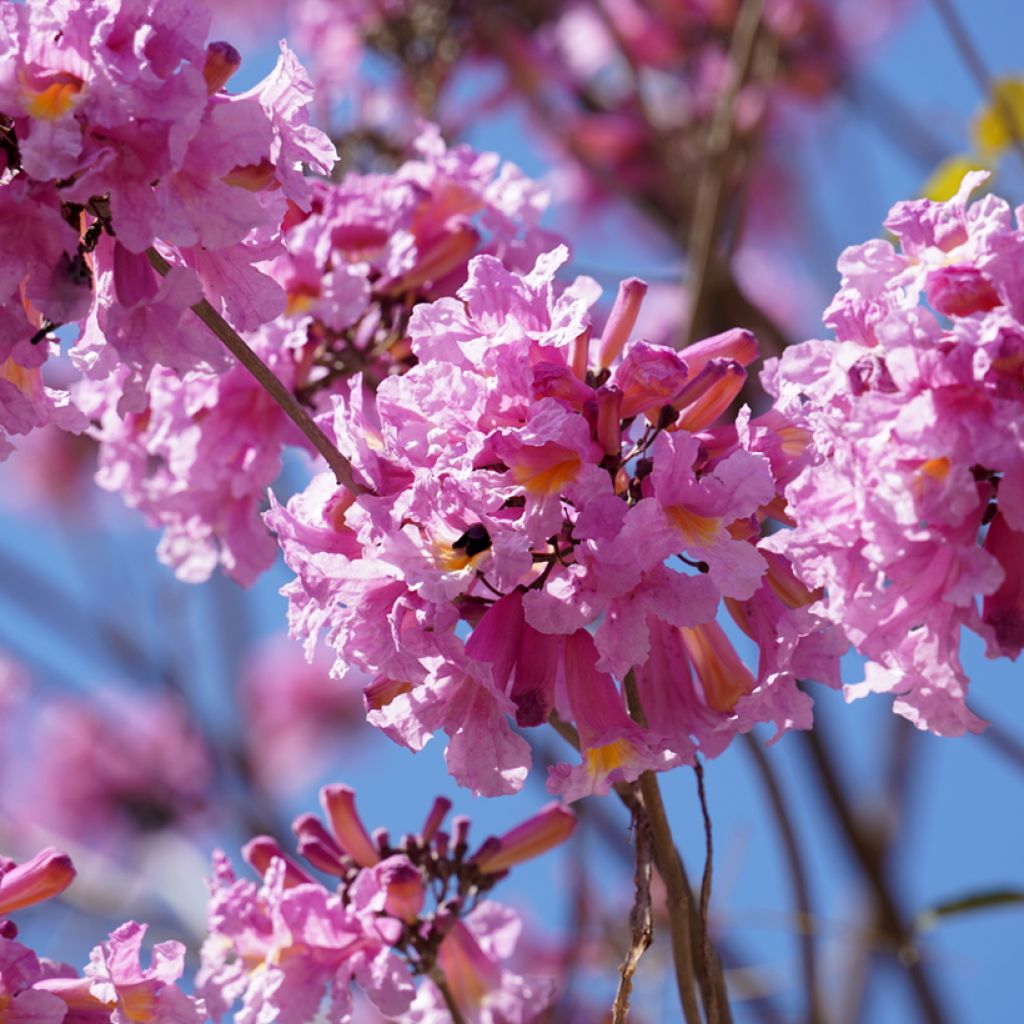
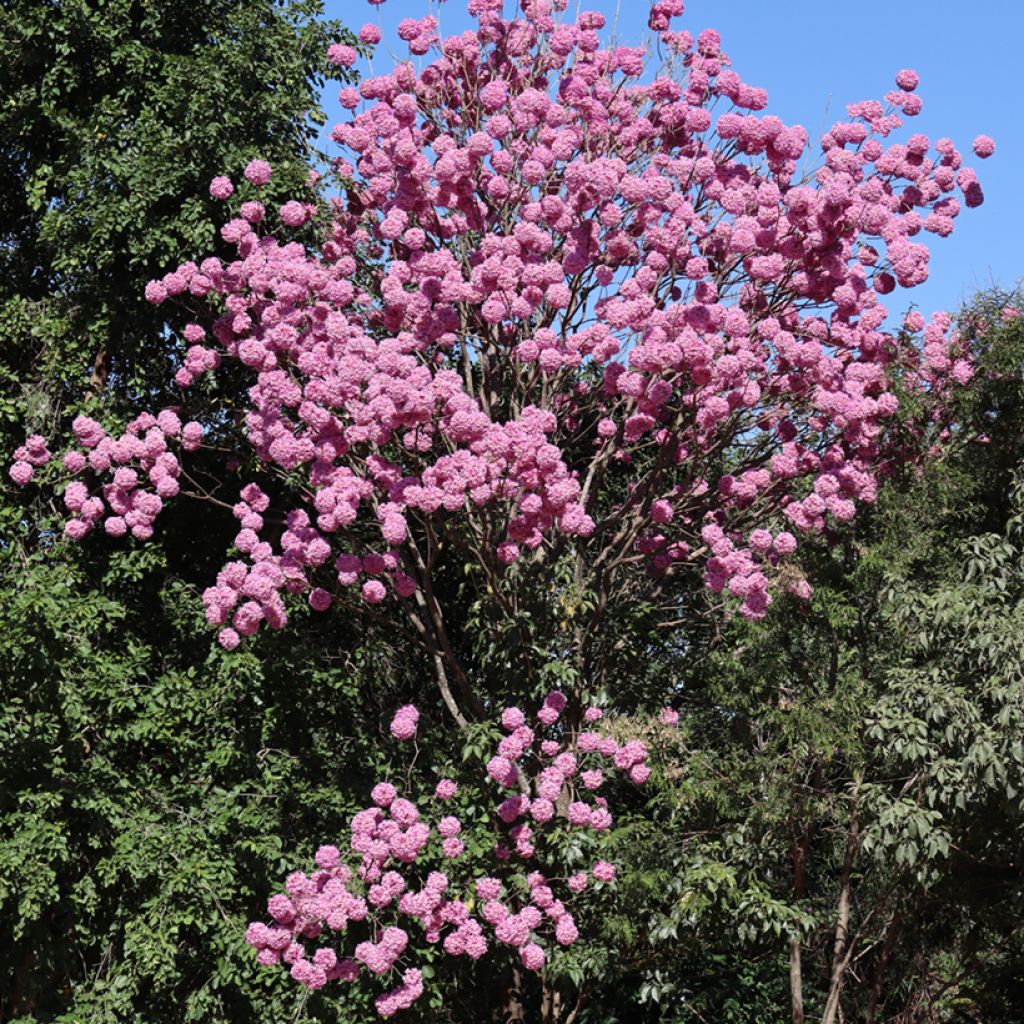
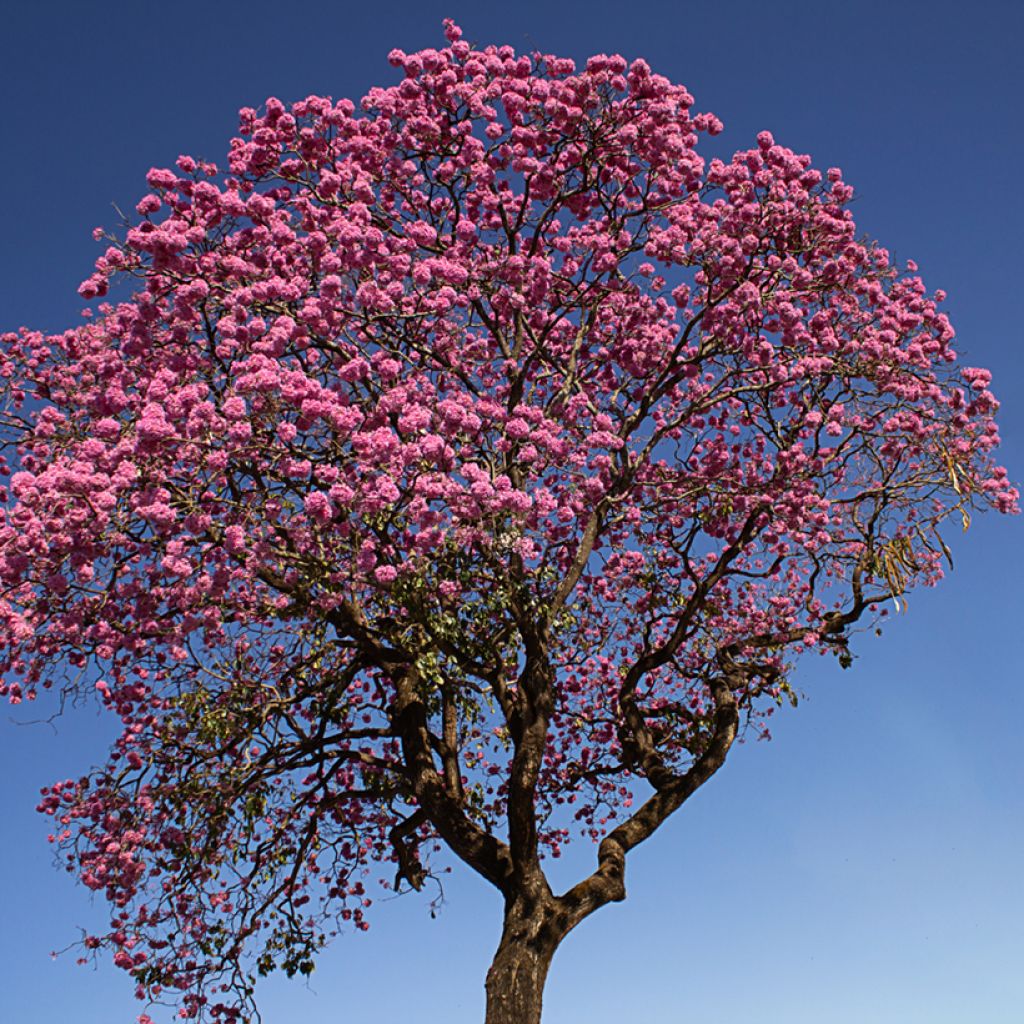
Tabebuia impetiginosa, the Lapacho, also bears the evocative nickname of the Sacred Tree of the Incas. In South America, it is a majestic tree whose massive pink flowering illuminates the landscape at the end of winter, often before its foliage appears. A symbol of beauty and resilience, a lover of sun and warmth, it can be acclimatised in open ground along the Mediterranean coast. Elsewhere, it can be attempted in a large pot, although it is more challenging to get it to flower there. It should be placed on the terrace during summer, then moved to a greenhouse or conservatory in winter.
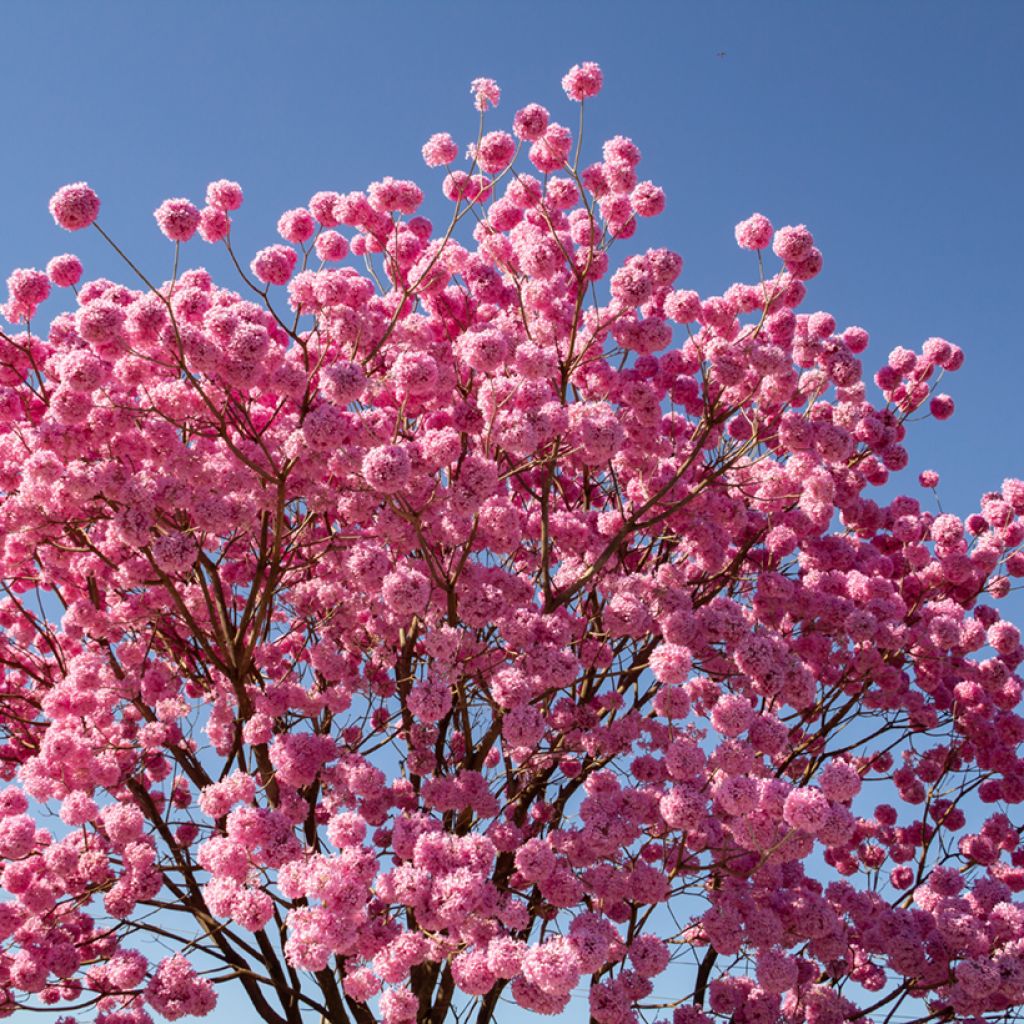
Tabebuia impetiginosa, also known as the Lapacho, Sacred Tree of the Incas or Ipe, belongs to the Bignoniaceae family. It is a cousin of Jacaranda mimosifolia. Native to Latin America, its natural range extends from Mexico to northern Argentina, passing through countries such as Brazil, Paraguay, Bolivia, and Peru. It is mainly found in tropical and subtropical forests, particularly in the Amazon rainforest, where it prefers sunny and well-drained sites. This tree thrives in warm climates, with or without a dry season, where the average annual temperature ranges between 20 and 25°C. It tolerates extremes from -4°C to 40°C. It adapts to various soil types, whether clay, loam, or sandy, provided they are well-drained and not too poor. Tabebuia impetiginosa is an upright tree that develops a rounded and spreading crown. At 10 years old, in open ground, it typically reaches a height of 4 to 6 m with a spread of 3 to 4 m. At maturity, in South America, it can reach heights of 15 to 20 m, with a spread of 10 to 15 m. Its growth is moderate, taking several years to reach its full size. When grown in a pot, its dimensions remain much more modest: between 2 and 3 m in height, depending on the container size and growing conditions. The leaves are palmate and compound, usually consisting of 5 elliptical leaflets measuring between 5 and 13 cm in length and 2.5 to 5 cm in width. They are dark green with slightly toothed margins. The tree is semi-evergreen, losing some of its foliage during the dry season or just before flowering. The flowers, which are the main attraction of this tree, are tubular and measure 7.5 to 10 cm in length with a diameter of 3.5 cm. They are pink to violet with an orange-yellow throat. The flowers cluster in dense terminal panicles, which can contain up to 75 flowers. Flowering most often occurs between March and late May, often before the new foliage appears, but it can also occur in autumn, depending on the climate. After flowering, the tree produces brown, hairy pods measuring between 15 and 30 cm in length. These pods persist on the tree during winter and contain winged seeds that are dispersed by the wind. The bark of Tabebuia impetiginosa is rough and has a brownish hue with longitudinal fissures. Its stems are robust, supporting the weight of the flowers and fruits. The root system of this tree is quite deep, giving it good stability and some drought tolerance once established.
Very similar in temperament to the Blue Flamboyant, the Lapacho can rival it in beauty, but in pink. However, it is even more sensitive to cold. It needs mild winters and spring humidity to allow it to thrive. It deserves a spot as a standalone feature in a large, sheltered garden. Outside these regions, it is essential to bring the Lapacho indoors in winter as soon as temperatures drop below 5°C. Place it in a conservatory, cold greenhouse, or bright room, where it can continue its dormancy without suffering frost. A drop in temperatures to around 10°C in winter encourages beautiful flowering in spring. In spring and summer, full sun exposure is essential for good growth.
Report an error about the product description
Tabebuia impetiginosa - Pink trumpet tree in pictures
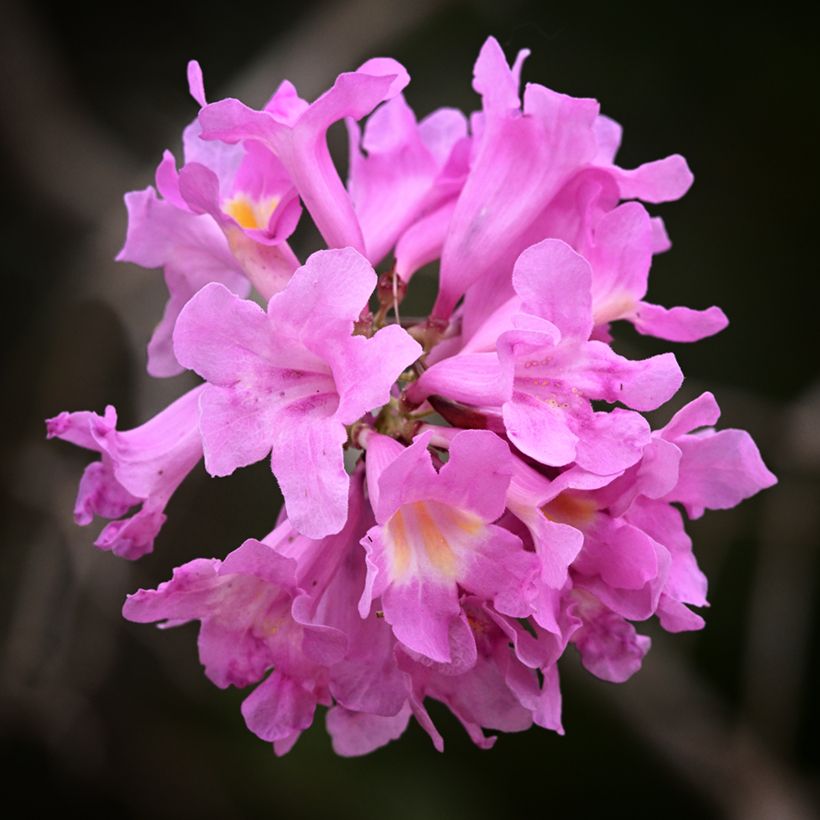
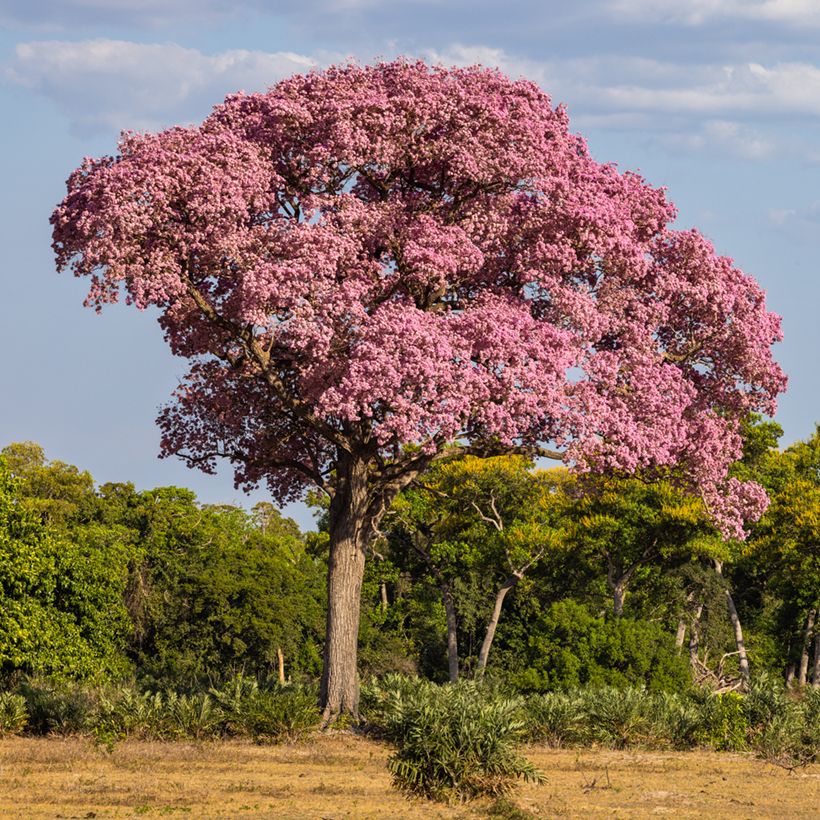
Plant habit
Flowering
Foliage
Botanical data
Tabebuia
impetiginosa
Bignoniaceae
Pink ipê, pink lapacho, pink trumpet tree, macuelizo enano
Handroanthus impetiginosus, Tabebuia avellanedae, Tecoma impetiginosa, Tabebuia palmeri, Tabebuia impetiginosa
South America
Planting and care
Tabebuia impetiginosa should be planted in spring, after the last frosts. Planting in the ground is only recommended for the mildest areas of the Mediterranean coast, as it dies below -4°C. Young plants must be protected from frost in a temperate greenhouse until they develop wood. This tree requires a very sunny position, as well as a loose and deep soil, with a slightly acidic to slightly alkaline pH, well-drained. Once well-rooted, it tolerates summer drought fairly well. Water regularly to help the plant establish itself. Thereafter, water as needed from February-March until June.
In containers, choose a large pot with drainage holes at the bottom (at least 50 cm in diameter and depth) to accommodate the development of its root system. The substrate should be very free-draining, composed of a mix of light compost, coarse sand and perlite, with a drainage layer at the bottom of the pot (clay pebbles or gravel). Water moderately, allowing the substrate to dry slightly between waterings to avoid excess moisture, to which the tree is sensitive.
Pests and diseases:
Aphids on young shoots, mites, particularly red spider mites, which colonise the foliage when the air is too dry (in greenhouses or conservatories). The foliage may be susceptible to fungal diseases in confined conditions. Controlled watering, good ventilation and regular monitoring help prevent most of these problems.
Planting period
Intended location
Care
Planting & care advice
-
-
-
-

-
-
-

-

This item has not been reviewed yet - be the first to leave a review about it.
Recently viewed products
Haven't found what you were looking for?
Hardiness is the lowest winter temperature a plant can endure without suffering serious damage or even dying. However, hardiness is affected by location (a sheltered area, such as a patio), protection (winter cover) and soil type (hardiness is improved by well-drained soil).

The flowering period indicated on our website applies to countries and regions located in USDA zone 8 (France, the United Kingdom, Ireland, the Netherlands, etc.)
It will vary according to where you live:- In zones 9 to 10 (Italy, Spain, Greece, etc.), flowering will occur about 2 to 4 weeks earlier.
- In zones 6 to 7 (Germany, Poland, Slovenia, and lower mountainous regions), flowering will be delayed by 2 to 3 weeks.
- In zone 5 (Central Europe, Scandinavia), blooming will be delayed by 3 to 5 weeks.
In temperate climates, pruning of spring-flowering shrubs (forsythia, spireas, etc.) should be done just after flowering.
Pruning of summer-flowering shrubs (Indian Lilac, Perovskia, etc.) can be done in winter or spring.
In cold regions as well as with frost-sensitive plants, avoid pruning too early when severe frosts may still occur.
The planting period indicated on our website applies to countries and regions located in USDA zone 8 (France, United Kingdom, Ireland, Netherlands).
It will vary according to where you live:
- In Mediterranean zones (Marseille, Madrid, Milan, etc.), autumn and winter are the best planting periods.
- In continental zones (Strasbourg, Munich, Vienna, etc.), delay planting by 2 to 3 weeks in spring and bring it forward by 2 to 4 weeks in autumn.
- In mountainous regions (the Alps, Pyrenees, Carpathians, etc.), it is best to plant in late spring (May-June) or late summer (August-September).
The harvesting period indicated on our website applies to countries and regions in USDA zone 8 (France, England, Ireland, the Netherlands).
In colder areas (Scandinavia, Poland, Austria...) fruit and vegetable harvests are likely to be delayed by 3-4 weeks.
In warmer areas (Italy, Spain, Greece, etc.), harvesting will probably take place earlier, depending on weather conditions.
The sowing periods indicated on our website apply to countries and regions within USDA Zone 8 (France, UK, Ireland, Netherlands).
In colder areas (Scandinavia, Poland, Austria...), delay any outdoor sowing by 3-4 weeks, or sow under glass.
In warmer climes (Italy, Spain, Greece, etc.), bring outdoor sowing forward by a few weeks.
Shipping country and language
Your country of residence may be:
Your country of residence is:
For a better user experience on our website, you can select:
Your shipping country:
-
 Austria
-
 Belgium
-
 Bosnia & Herzegovina
-
 Bulgaria
-
 Croatia
-
 Cyprus
-
 Czechia
-
 Denmark
-
 Estonia
-
 Finland
-
 France
-
 Germany
-
 Greece
-
 Hungary
-
 Iceland
-
 Ireland
-
 Italy
Italy
-
 Latvia
-
 Liechtenstein
-
 Lithuania
-
 Luxembourg
-
 Malta
Malta
-
 Netherlands
-
 Poland
-
 Portugal
-
 Romania
-
 Serbia
-
 Slovakia
-
 Slovenia
-
 Spain
Spain
-
 Sweden
-
 Switzerland
Language:
-
French
-
 English
-
Spanish
-
Italian
-
German
-
Portuguese
-
Dutch
-
Finnish
My Account
Hello
My wish lists
My cart
Log in / Register
Existing customer?
This form is protected by reCAPTCHA - the Google Privacy Policy and Terms of Service apply.
New customer?
Create an account to track your orders, access our customer service and, if you wish, make the most of our upcoming offers.