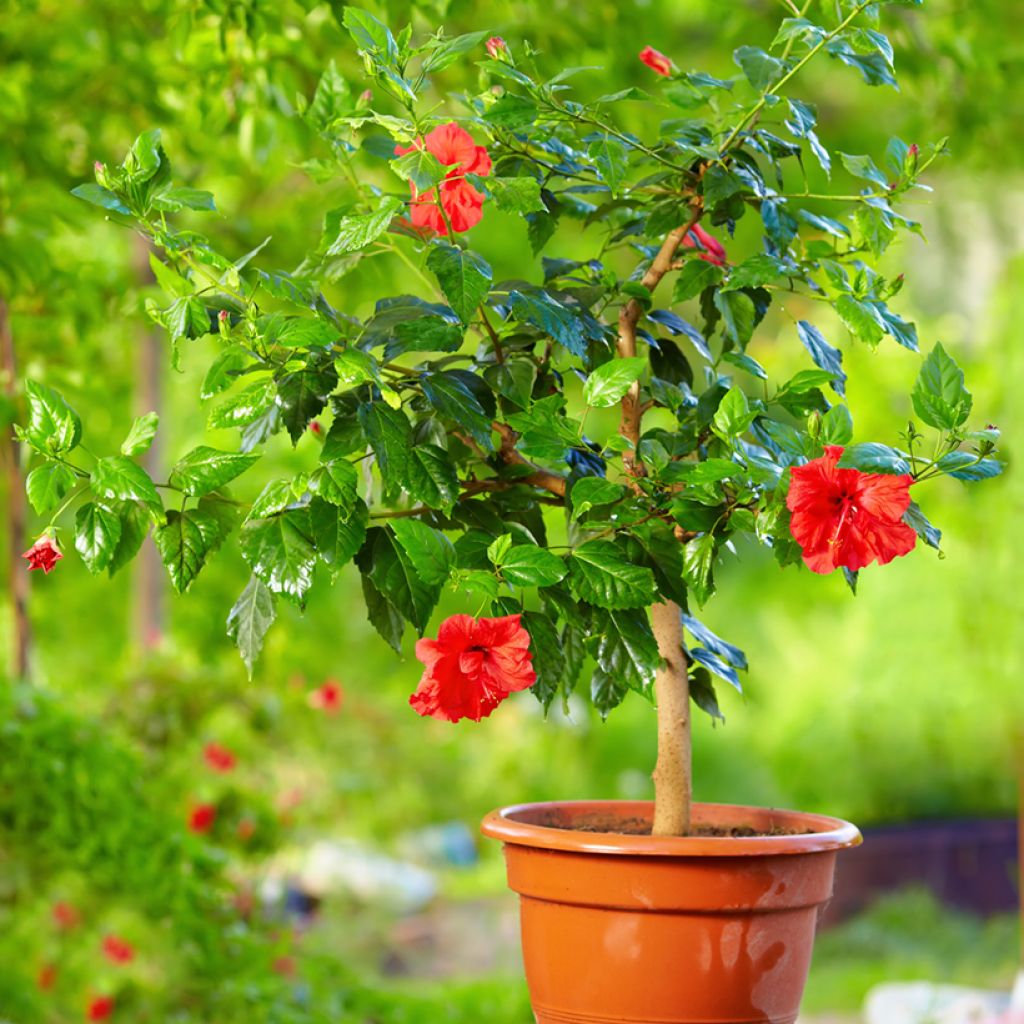
Hibiscus x rosa-sinensis - Chinese hibiscus
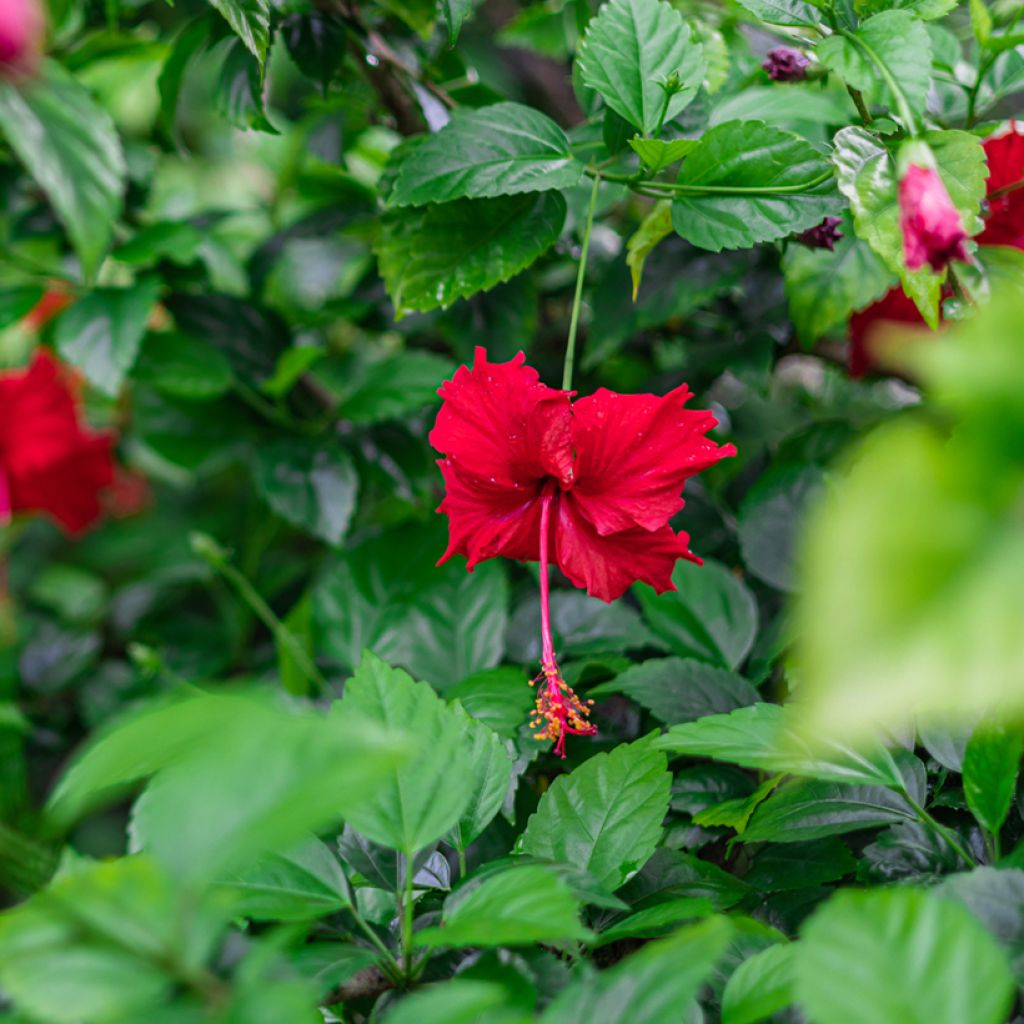
Hibiscus x rosa-sinensis - Chinese hibiscus
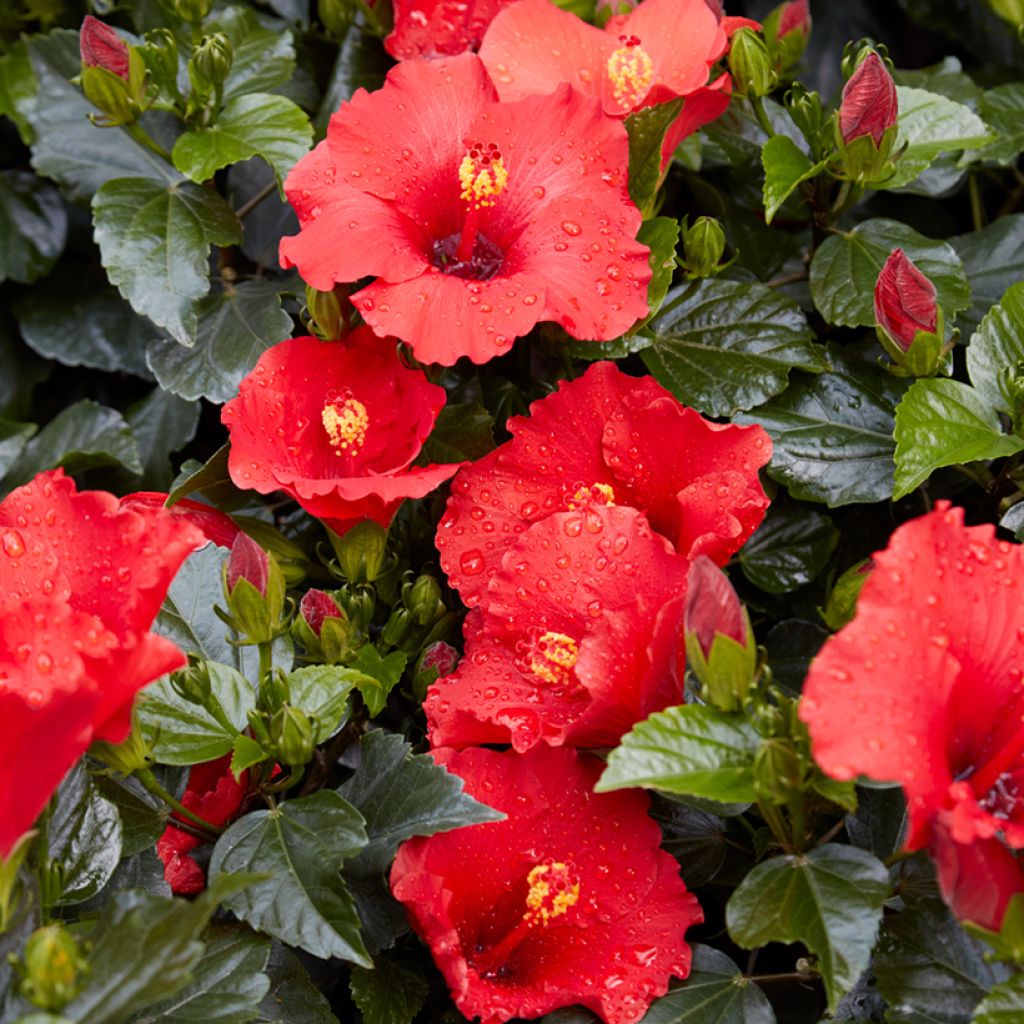
Hibiscus x rosa-sinensis - Chinese hibiscus
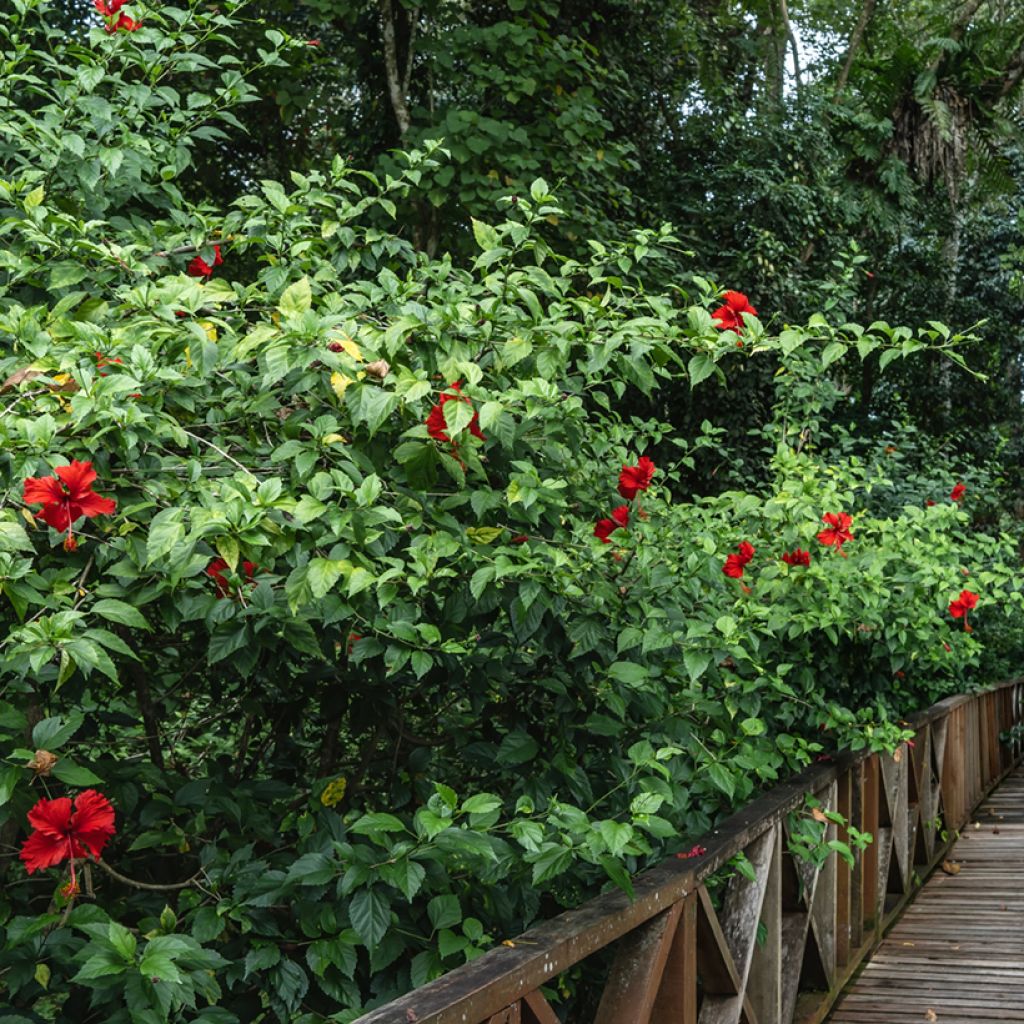
Hibiscus x rosa-sinensis - Chinese hibiscus
Hibiscus x rosa-sinensis - Chinese hibiscus
Hibiscus x rosa-sinensis - Chinese hibiscus
Hibiscus x rosa-sinensis - Chinese hibiscus
Hibiscus x rosa-sinensis - Chinese hibiscus
Hibiscus rosa-sinensis
Hibiscus Rose de Chine, Hibiscus d'intérieur, Hibiscus d'appartement
Back-to-school special offer!
Get €10 off for every €50 you spend! And get up to €40 off on a single order.
How does it work?
1. Shop your favourites
Add your favourite plants to your basket. For every €50 you spend (excluding delivery charges, store credit and the plastic-free option), you’ll receive a €10 voucher.
€50 spent = €10 voucher
€100 spent = €20 voucher
€150 spent = €30 voucher
€200 spent = €40 voucher
2. Place your order
Once your basket reaches one of the spending thresholds, place your order. You can even choose your delivery date!
3. Receive your voucher
As soon as your order has been shipped, you’ll receive an email containing your personal voucher code and its value.
4. Use it on your next order
Your voucher is valid for 90 days from the date you receive it. It can be used once only, on a new order worth at least the value of the voucher, excluding delivery charges.
Please note: Vouchers can be combined with other offers, but cannot be split or refunded.
Why not try an alternative variety in stock?
View all →
Available in 0 sizes
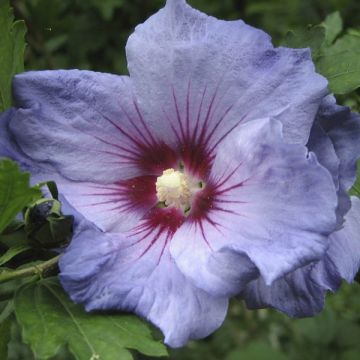
Available in 3 sizes
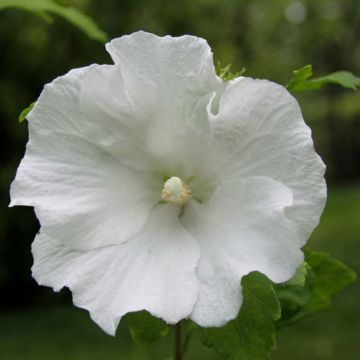
Available in 1 sizes
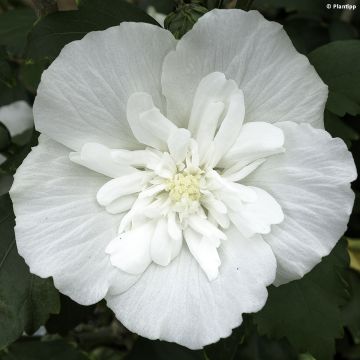
Available in 1 sizes
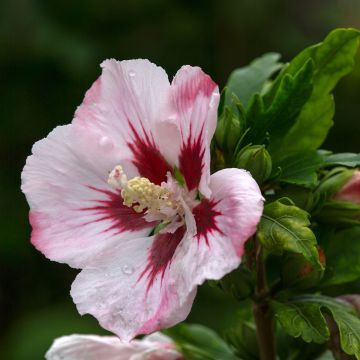
Available in 2 sizes
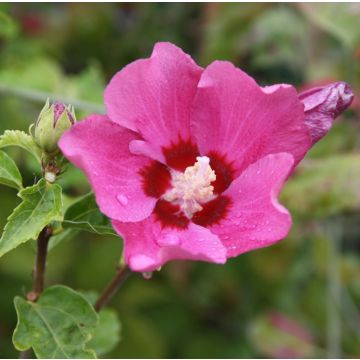
Available in 3 sizes

Available in 1 sizes

Available in 1 sizes
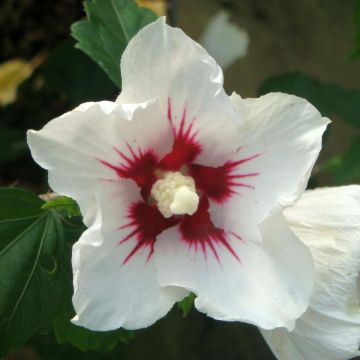
Available in 2 sizes
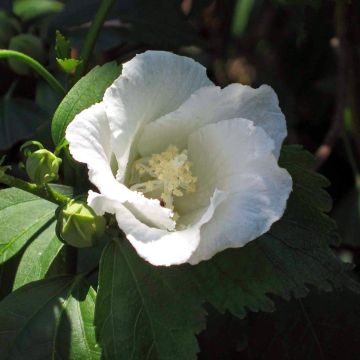
Available in 1 sizes
This plant carries a 24 months recovery warranty
More information
We guarantee the quality of our plants for a full growing cycle, and will replace at our expense any plant that fails to recover under normal climatic and planting conditions.
Would this plant suit my garden?
Set up your Plantfit profile →
Description
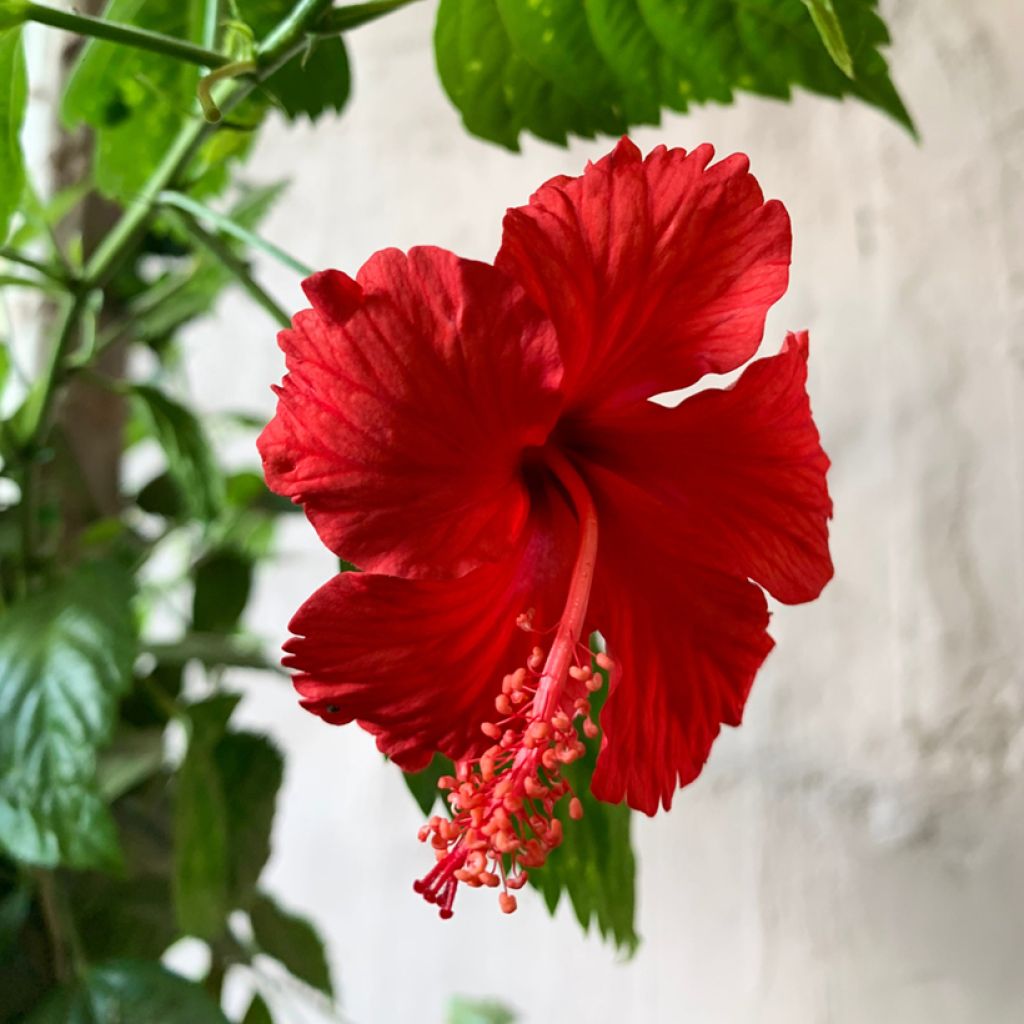
Hibiscus x rosa-sinensis, commonly known as the Chinese Hibiscus, is a tropical plant admired for its spectacular bright rosy-red flowers. Adorned with prominent stamens, the corollas have a distinctly exotic appearance. This frost-sensitive bush flowers throughout summer and is typically grown in pots indoors, in conservatories, or seasonally on patios in cooler climates. In southern Europe, Mediterranean climates (frost-free) and coastal areas, it thrives when planted directly in the ground.
Hibiscus x rosa-sinensis belongs to the Malvaceae family, alongside garden favourites like tree mallows and Rose of Sharon. It is an evergreen bush native to tropical Asia, though its exact origin remains uncertain due to the absence of known wild populations. The plant is widely cultivated in tropical and subtropical regions worldwide.
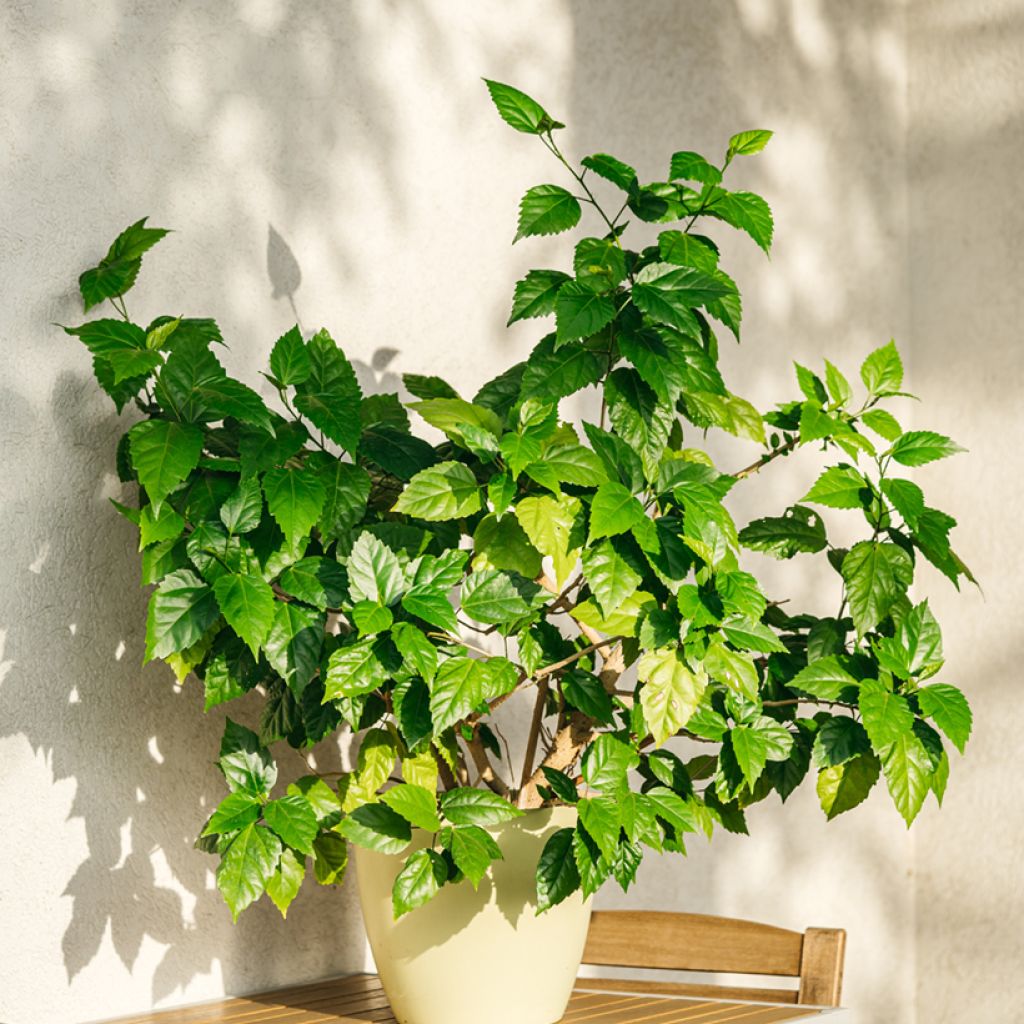
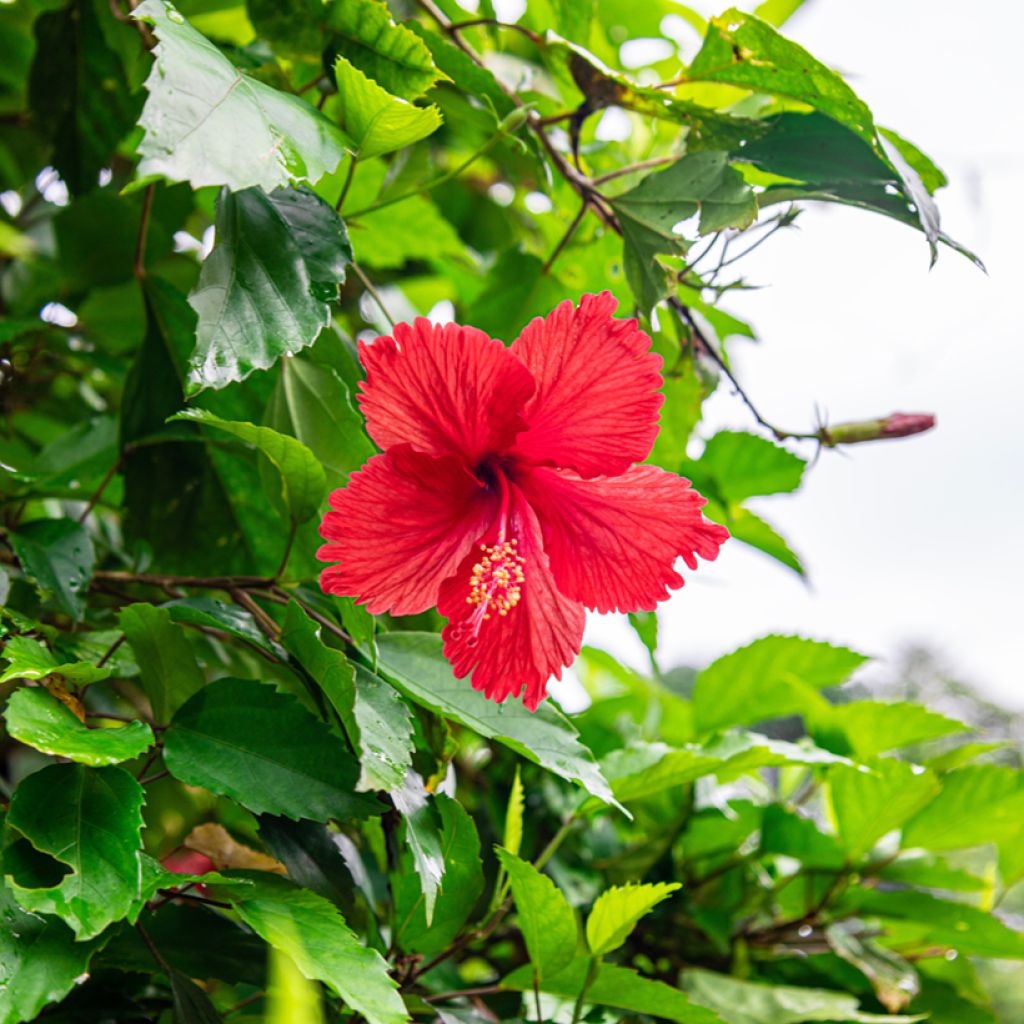
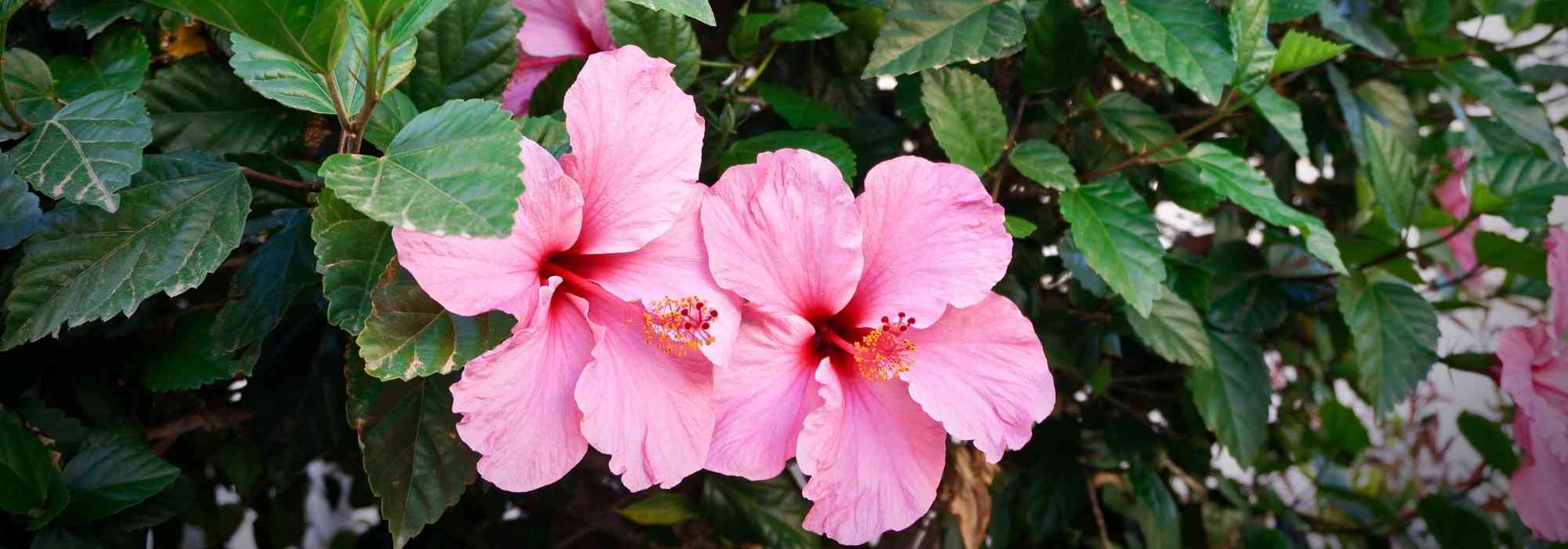
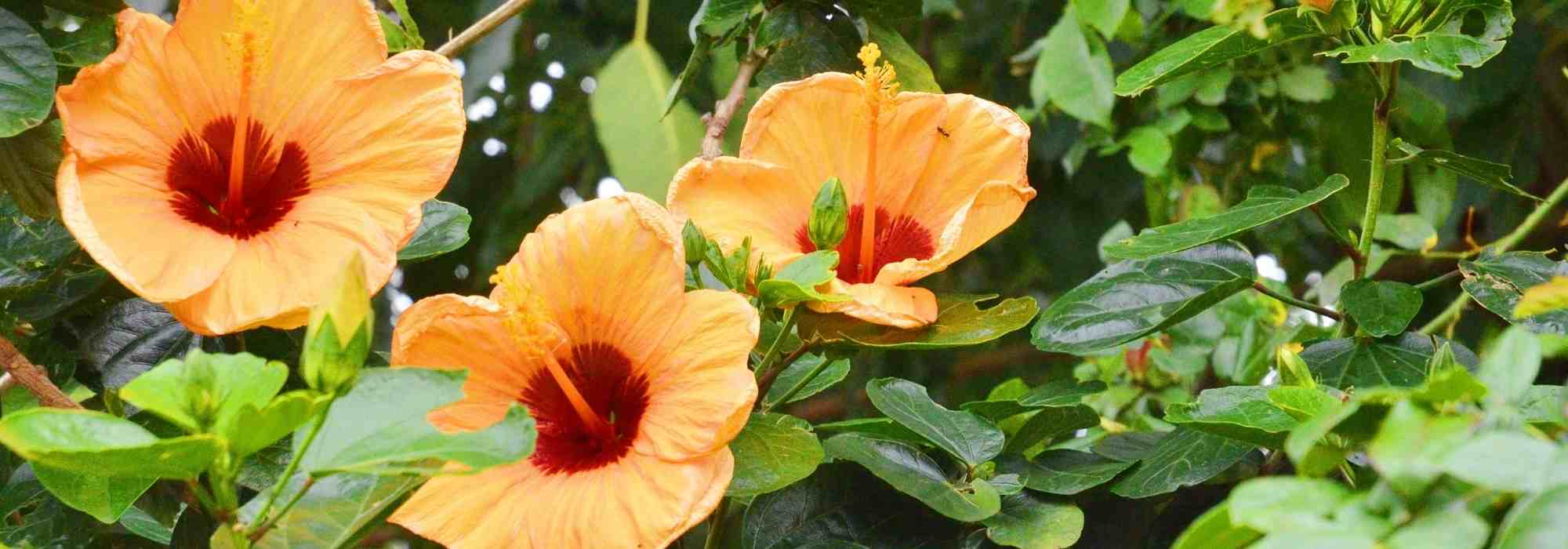
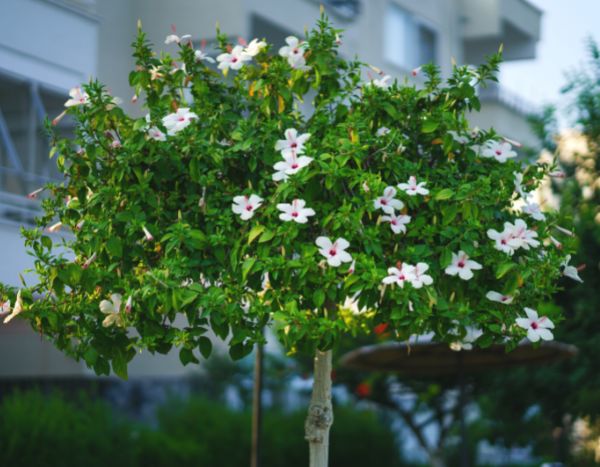
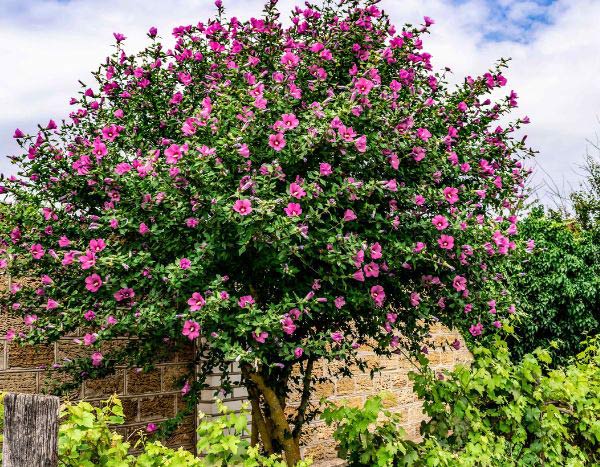
This vigorous bush has an upright, rounded habit, reaching 2.5 to 5 m in height and 1.5 to 3 m in width when planted in the ground. When grown in pots, its dimensions are much more compact, especially with regular pruning. Its alternate, single, and petiolate leaves are ovate to lanceolate with an pointed tip and toothed edges. They are 6–10 cm long and glossy, dark green. The solitary flowers in the axils of the leaves are the main attraction of Hibiscus rosa-sinensis. They are rosy-red, composed of five petals around 10 cm in diameter, with prominent anthers tipped in orange. Cultivars and hybrids offer a range of colours beyond red, including white, pink, orange, peach, yellow, blue, and purple. Some varieties feature double flowers. Flowering lasts from spring to autumn, with each flower lasting just one day but continuously replaced for a prolonged display. The fruits are dehiscent, five-valved capsules containing numerous seeds. The stems of this hibiscus are upright, branching, green, and cylindrical. Its growth rate is moderate, and its longevity depends on cultivation conditions and care.
Hibiscus rosa-sinensis enhances various landscape designs in suitable climates. As a standalone specimen, it steals the show with its dazzling flowers. In hedges, it forms a colourful, dense barrier. In pots on patios, balconies, or indoors, its tropical charm and vibrant hues are highly appreciated. Companion plants might include Bougainvillea, Cape Leadwort, or Lantana, for example.
Hibiscus rosa-sinensis holds significant cultural symbolism in many tropical regions. In Fiji, women wear the flower behind the right ear to indicate they are single and behind the left if in a relationship. However, it is in Hawaii where it holds official status: since 1988, it has been the archipelago’s floral emblem. In Hawaii, hibiscus is often given as a welcome gift and worn as leis during celebrations. It embodies beauty, femininity, and hospitality—values deeply rooted in Hawaiian culture.
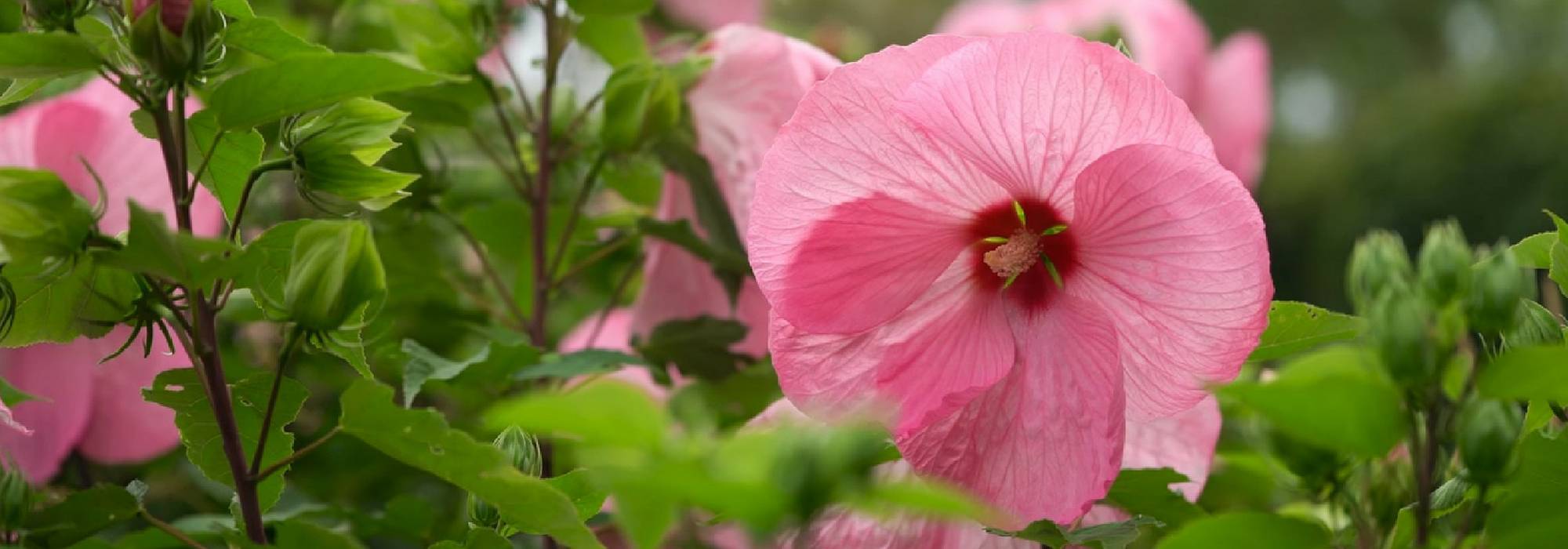
Hibiscus x rosa-sinensis - Chinese hibiscus in pictures
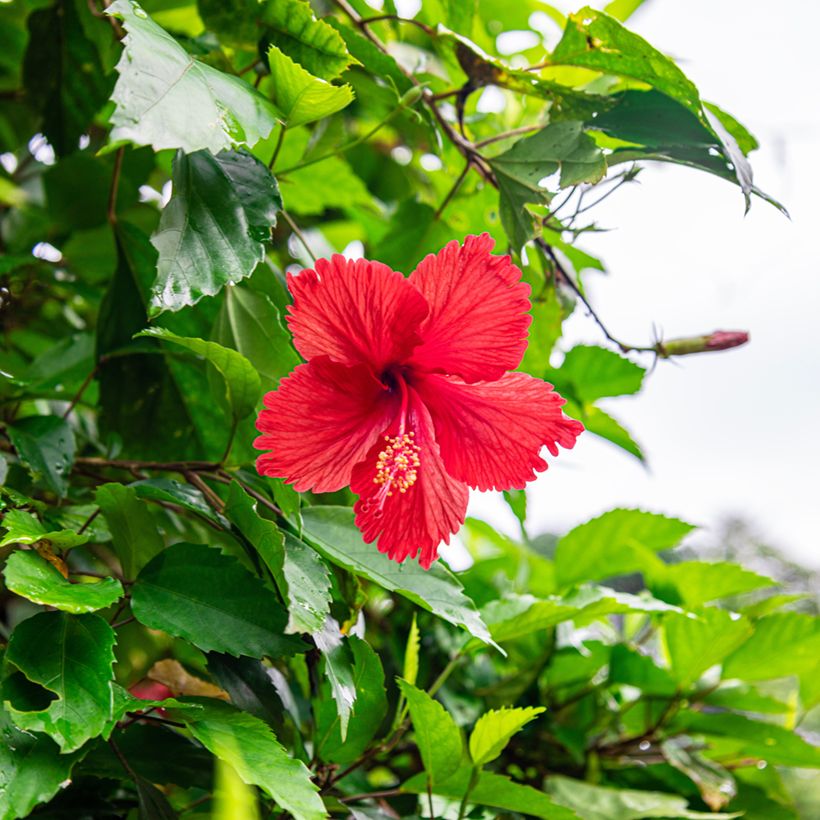
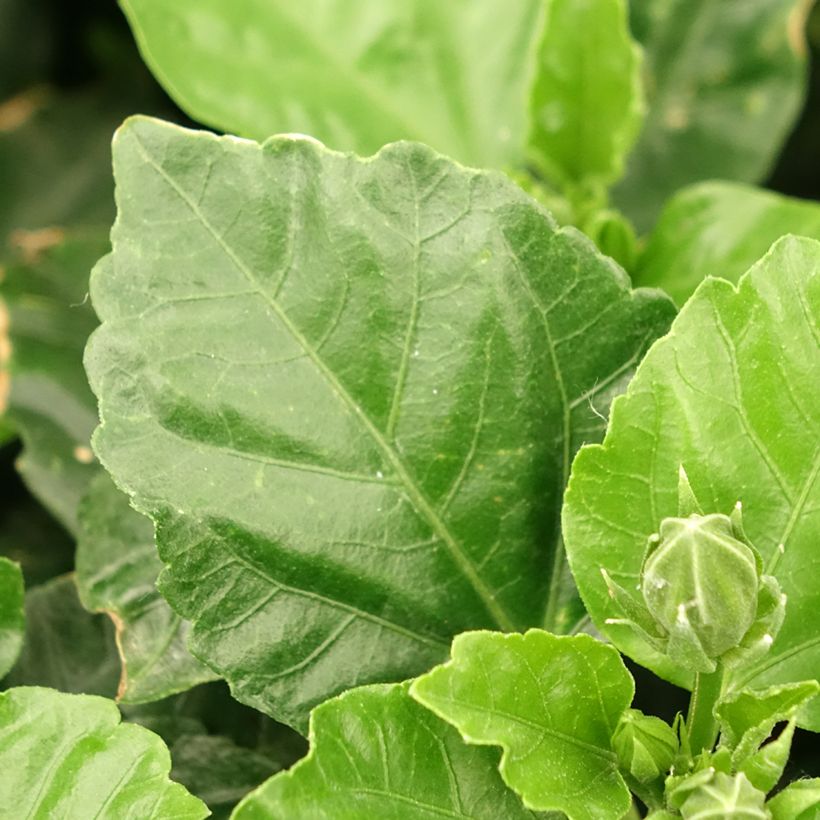
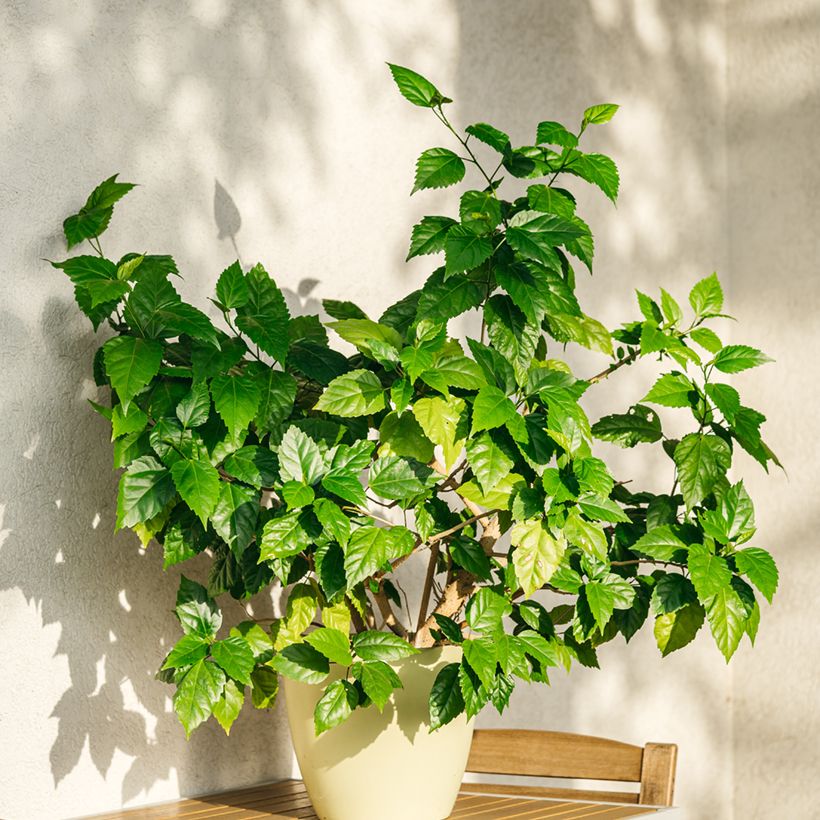
Plant habit
Flowering
Foliage
Botanical data
Hibiscus
rosa-sinensis
Malvaceae
Hibiscus Rose de Chine, Hibiscus d'intérieur, Hibiscus d'appartement
East Asia, Southeast Asia
Planting and care
Hibiscus x rosa-sinensis can be grown both in pots and in the ground, depending on the climate. In Europe, its hardiness is limited: it cannot tolerate temperatures below 5°C. It is therefore mainly grown in pots, except in Mediterranean climates (frost-free) where it can remain outdoors all year round.
Container cultivation: Choose a wide and deep pot (at least 40 cm in diameter) with good drainage to avoid excess water. Use a rich, well-draining substrate, such as a mix of Mediterranean plant compost and sand or perlite. Place the hibiscus in a sunny spot, ideally south or southwest-facing, as it needs at least 5 to 6 hours of sunlight per day to flower well. Water regularly in summer, allowing the substrate to dry slightly between waterings. In winter, reduce watering and move it to a bright, cool room (10-15°C) if bringing it indoors.
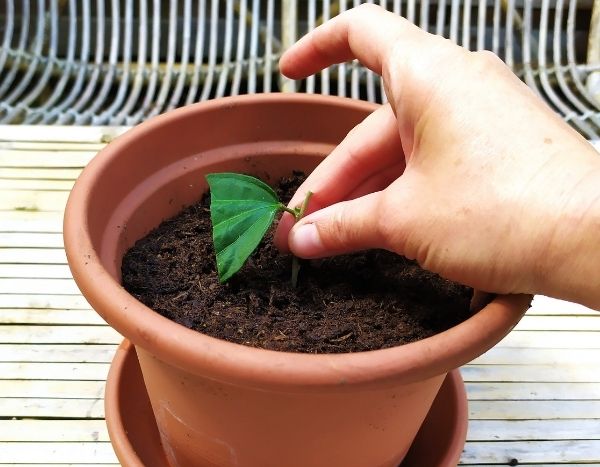
Outdoor cultivation: In regions where winter temperatures remain mild (not below 5-7°C), hibiscus can be planted outdoors in rich, well-draining, slightly acidic soil. Dig a hole twice as wide as the root ball, add compost and some sand to improve drainage. Plant it in a sheltered spot, in full sun. Mulching in winter can help protect the roots from cold.
Pruning and care: Hibiscus should be pruned annually to encourage flowering and maintain a compact habit in late winter or early spring (February-March), before new growth begins. Remove weak or dead branches and shorten main stems by a third to stimulate branching. A lighter prune can be done in summer if needed to maintain a neat shape.
For abundant flowering, apply a potassium-rich fertiliser every two weeks from March to September. For potted plants, repot every 2 to 3 years to refresh the substrate and promote vigorous growth.
Planting period
Intended location
Care
Planting & care advice

This item has not been reviewed yet - be the first to leave a review about it.
Recently viewed products
Haven't found what you were looking for?
Hardiness is the lowest winter temperature a plant can endure without suffering serious damage or even dying. However, hardiness is affected by location (a sheltered area, such as a patio), protection (winter cover) and soil type (hardiness is improved by well-drained soil).

The flowering period indicated on our website applies to countries and regions located in USDA zone 8 (France, the United Kingdom, Ireland, the Netherlands, etc.)
It will vary according to where you live:- In zones 9 to 10 (Italy, Spain, Greece, etc.), flowering will occur about 2 to 4 weeks earlier.
- In zones 6 to 7 (Germany, Poland, Slovenia, and lower mountainous regions), flowering will be delayed by 2 to 3 weeks.
- In zone 5 (Central Europe, Scandinavia), blooming will be delayed by 3 to 5 weeks.
In temperate climates, pruning of spring-flowering shrubs (forsythia, spireas, etc.) should be done just after flowering.
Pruning of summer-flowering shrubs (Indian Lilac, Perovskia, etc.) can be done in winter or spring.
In cold regions as well as with frost-sensitive plants, avoid pruning too early when severe frosts may still occur.
The planting period indicated on our website applies to countries and regions located in USDA zone 8 (France, United Kingdom, Ireland, Netherlands).
It will vary according to where you live:
- In Mediterranean zones (Marseille, Madrid, Milan, etc.), autumn and winter are the best planting periods.
- In continental zones (Strasbourg, Munich, Vienna, etc.), delay planting by 2 to 3 weeks in spring and bring it forward by 2 to 4 weeks in autumn.
- In mountainous regions (the Alps, Pyrenees, Carpathians, etc.), it is best to plant in late spring (May-June) or late summer (August-September).
The harvesting period indicated on our website applies to countries and regions in USDA zone 8 (France, England, Ireland, the Netherlands).
In colder areas (Scandinavia, Poland, Austria...) fruit and vegetable harvests are likely to be delayed by 3-4 weeks.
In warmer areas (Italy, Spain, Greece, etc.), harvesting will probably take place earlier, depending on weather conditions.
The sowing periods indicated on our website apply to countries and regions within USDA Zone 8 (France, UK, Ireland, Netherlands).
In colder areas (Scandinavia, Poland, Austria...), delay any outdoor sowing by 3-4 weeks, or sow under glass.
In warmer climes (Italy, Spain, Greece, etc.), bring outdoor sowing forward by a few weeks.
Shipping country and language
Your country of residence may be:
Your country of residence is:
For a better user experience on our website, you can select:
Your shipping country:
-
 Austria
-
 Belgium
-
 Bosnia & Herzegovina
-
 Bulgaria
-
 Croatia
-
 Cyprus
-
 Czechia
-
 Denmark
-
 Estonia
-
 Finland
-
 France
-
 Germany
-
 Greece
-
 Hungary
-
 Iceland
-
 Ireland
-
 Italy
Italy
-
 Latvia
-
 Liechtenstein
-
 Lithuania
-
 Luxembourg
-
 Malta
Malta
-
 Netherlands
-
 Poland
-
 Portugal
-
 Romania
-
 Serbia
-
 Slovakia
-
 Slovenia
-
 Spain
Spain
-
 Sweden
-
 Switzerland
Language:
-
French
-
 English
-
Spanish
-
Italian
-
German
-
Portuguese
-
Dutch
-
Finnish
My Account
Hello
My wish lists
My cart
Log in / Register
Existing customer?
This form is protected by reCAPTCHA - the Google Privacy Policy and Terms of Service apply.
New customer?
Create an account to track your orders, access our customer service and, if you wish, make the most of our upcoming offers.