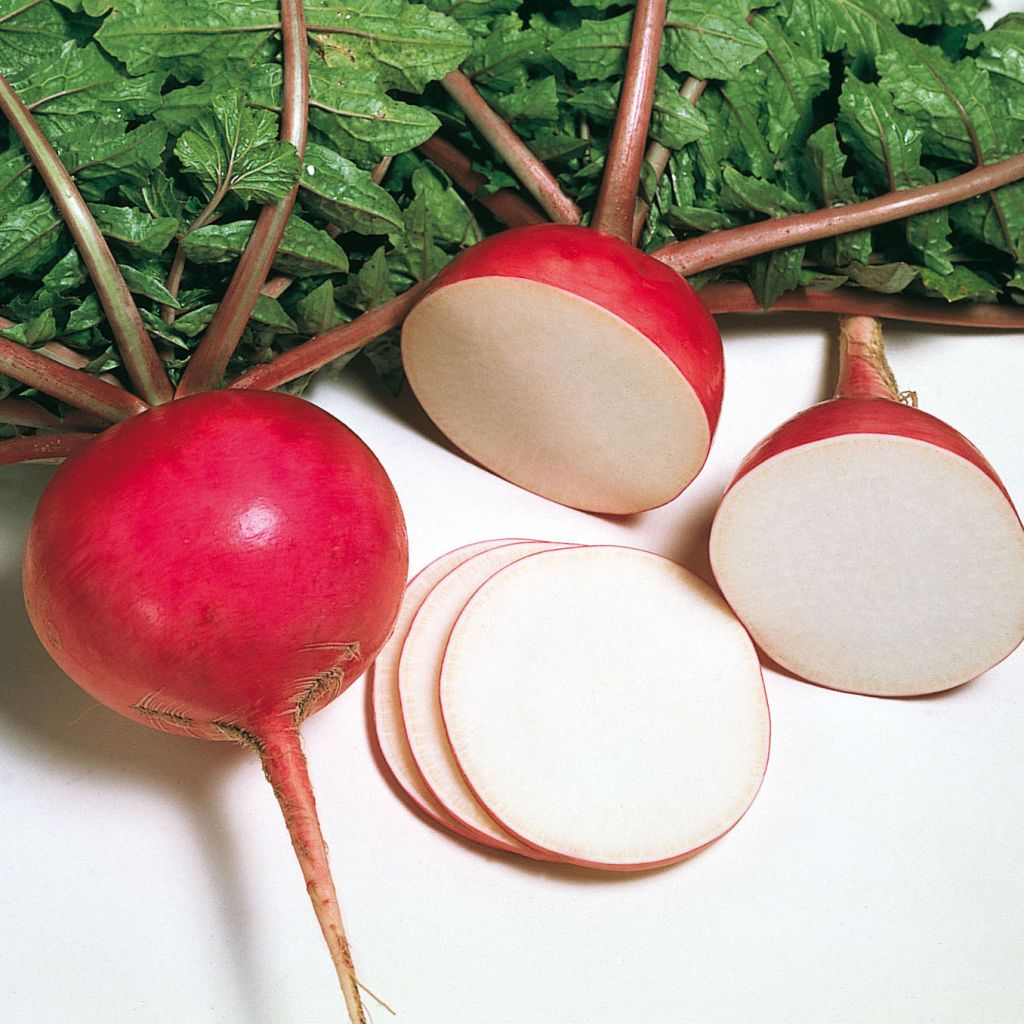
Misato Red NT Radish
Misato Red NT Radish
Raphanus sativus Misato Red
Radish, Garden Radish
Back-to-school special offer!
Get €10 off for every €50 you spend! And get up to €40 off on a single order.
How does it work?
1. Shop your favourites
Add your favourite plants to your basket. For every €50 you spend (excluding delivery charges, store credit and the plastic-free option), you’ll receive a €10 voucher.
€50 spent = €10 voucher
€100 spent = €20 voucher
€150 spent = €30 voucher
€200 spent = €40 voucher
2. Place your order
Once your basket reaches one of the spending thresholds, place your order. You can even choose your delivery date!
3. Receive your voucher
As soon as your order has been shipped, you’ll receive an email containing your personal voucher code and its value.
4. Use it on your next order
Your voucher is valid for 90 days from the date you receive it. It can be used once only, on a new order worth at least the value of the voucher, excluding delivery charges.
Please note: Vouchers can be combined with other offers, but cannot be split or refunded.
Why not try an alternative variety in stock?
View all →
Available in 1 sizes
Available in 1 sizes
Available in 1 sizes
Available in 1 sizes
Available in 1 sizes
Available in 1 sizes
Available in 1 sizes
Available in 1 sizes
Available in 1 sizes
Available in 1 sizes
This plant carries a 6 months recovery warranty
More information
We guarantee the quality of our plants for a full growing cycle, and will replace at our expense any plant that fails to recover under normal climatic and planting conditions.
Description
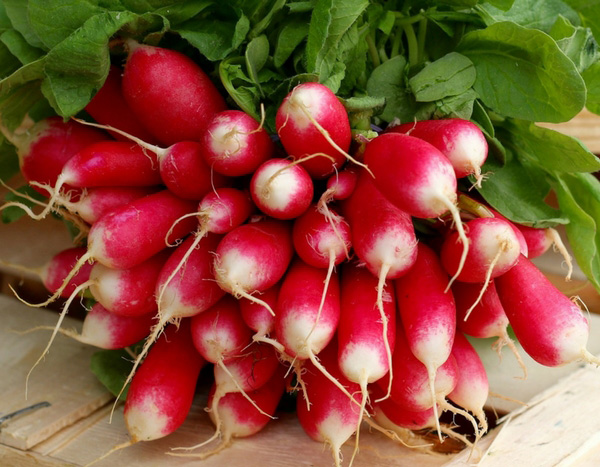
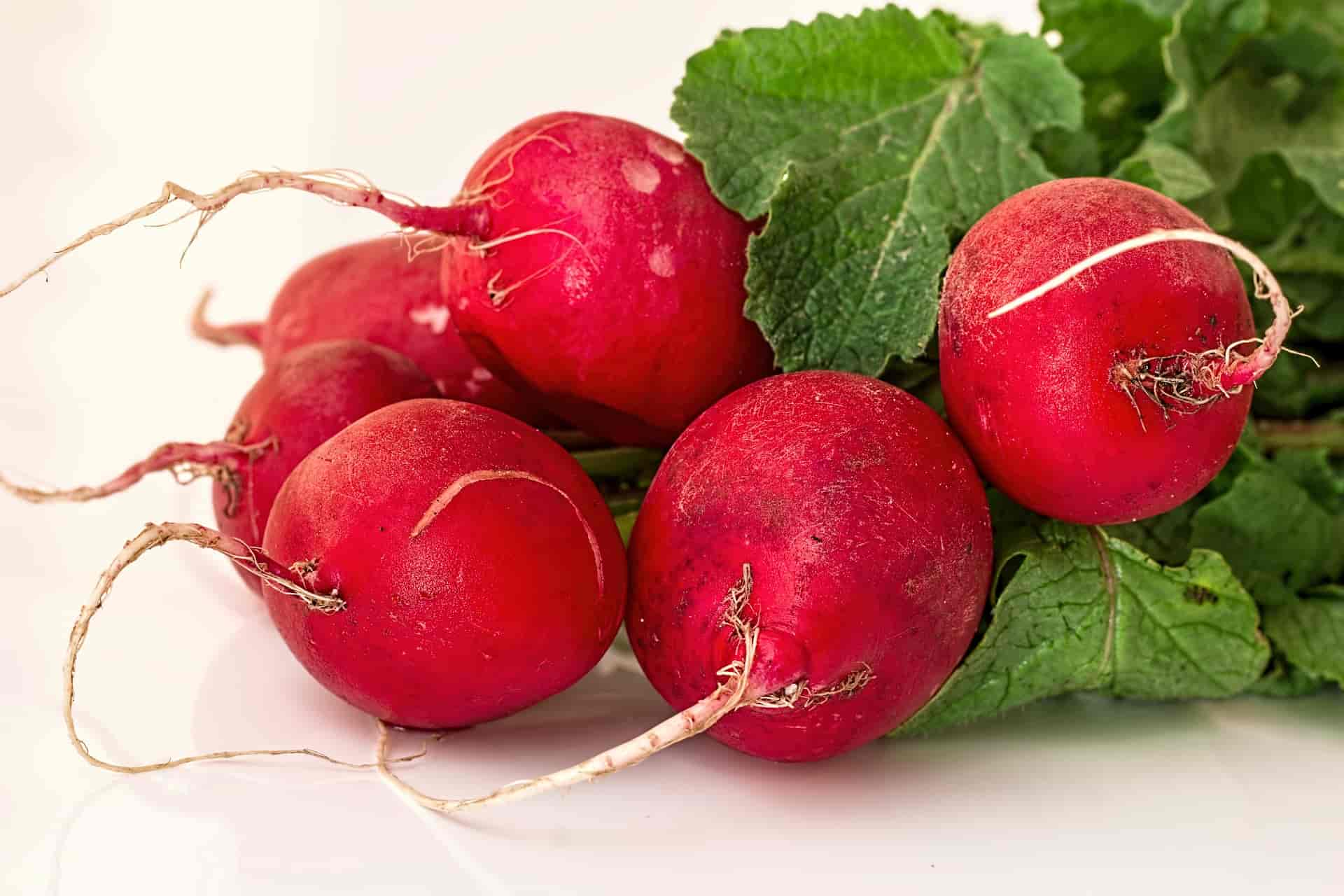
The Misato Red Radish is a variety of winter radish of Asian origin, highly appreciated in Japan. Its large round red-skinned root measures 13 cm (5in) in diameter. Its flesh is white and its flavor is sweet. This radish can be eaten raw or cooked. To preserve the red color of the skin during cooking, sprinkle it with lemon juice before cooking. Sow from July to September. Harvest from September to December.
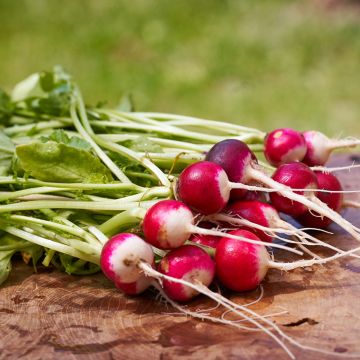
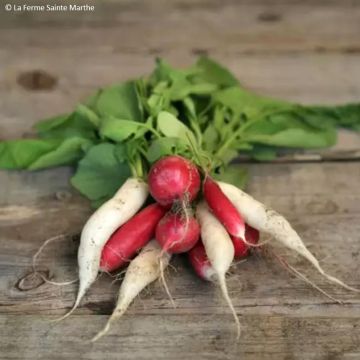
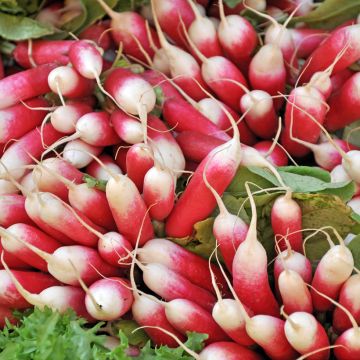
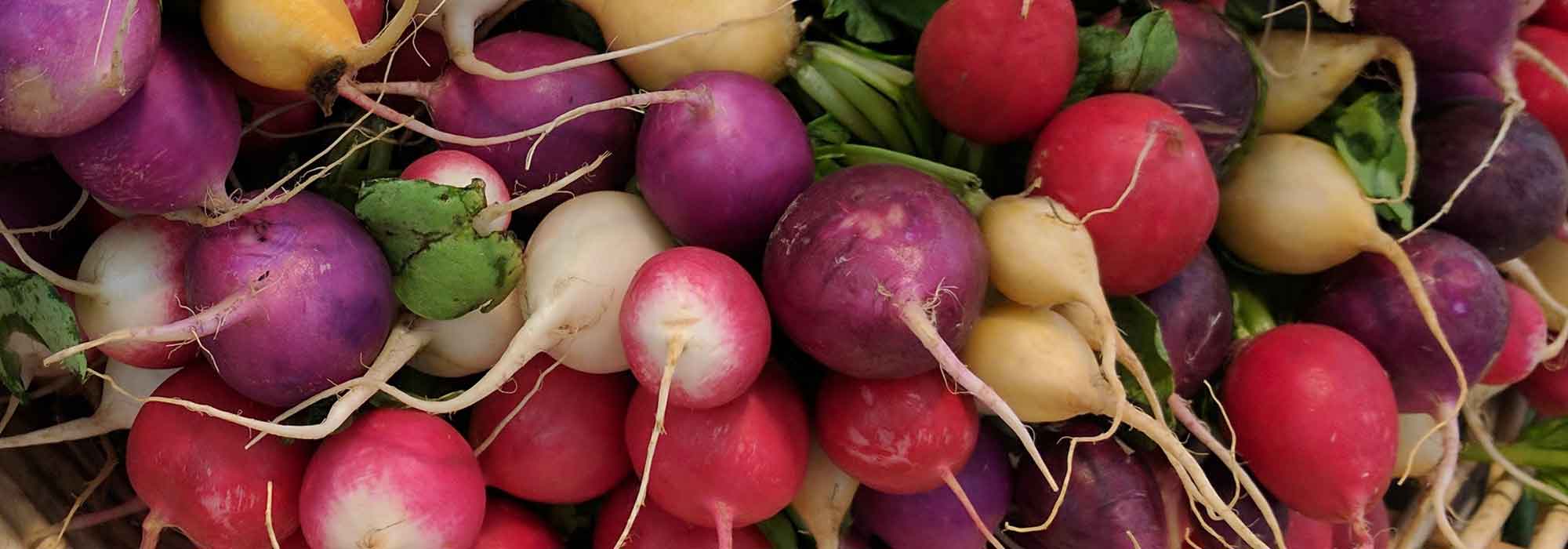
The radish is a fairly hardy annual or biennial vegetable plant, belonging to the Brassicaceae family, of which the main part consumed is the raw root, but also the freshly picked leaves added to soups or stews. There are radishes of different colours, from red for the most common, but also pink, white or gray. They are generally classified into 2 main types: the radishes for every month, represented by varieties with small roots, and the radish turnips, represented by varieties with long roots.
Japanese radishes or "daikon" are also found, which have long white conical roots, sometimes sold as turnips. Winter radishes have a large taproot with black, pink or purple skin. Its flesh is white. Its leaves are green and divided, forming a compact tuft at the base of the plant. Its taste is much stronger than the radishes for every month. With a pungent flavor, it can be eaten cooked, like turnips, or raw, like carrots. Winter radishes have many virtues: they contain vitamin C and sulfur, as well as phosphorus and magnesium. They are antiscorbutic and diuretic, and are recommended for people with liver and gallbladder problems.
Harvest and storage
The harvest of radishes for every month and summer radishes takes place 4 to 6 weeks after sowing. Regular harvests as soon as the radishes are formed, without letting them grow too large, help to limit the risk of them becoming hollow, pungent or indigestible. Radishes for every month or summer radishes should be consumed quickly. The freshly harvested leaves can be cooked into a delicious soup.
The harvest of radish turnips takes place 4 to 5 months after sowing. Harvest by gently lifting with a fork-spade and let them dry on the ground before bringing them in. If they stay in the ground over winter, cover the soil with straw.
Gardener's tips
Sowing radishes and carrots in the same row and at the same time allows the carrot seeds to naturally spread apart. Once the radishes are harvested, there will be room for the carrots to grow. When accompanied by mint, radishes will be less susceptible to attacks from flea beetles, insects that feed on the leaves and create small irregular holes.
To have crunchy radishes throughout the season, it is good to spread out the sowing, every 2 to 3 weeks, in your garden or in pots.
Untreated or "NT" seeds come from conventionally grown plants (often with the use of pesticides), but they undergo no treatment after harvest. These seeds are allowed in organic market gardening when organic seeds are out of stock.
Harvest
Plant habit
Foliage
Botanical data
Raphanus
sativus
Misato Red
Brassicaceae
Radish, Garden Radish
Cultivar or hybrid
Biennial
Planting and care
Sowing
The sowing of radishes every month is one of the easiest to do. The ribbons are placed directly in the ground, in loosened soil in a row. Barely cover the ribbons with 2 cm (1in) of compost or fine soil. Lightly press down with the back of a rake and water gently. Keep sufficiently moist until germination. Radish ribbons can be sown all year round, with a preference for late winter to early summer, avoiding periods of extreme heat, and then in late summer to early autumn, when the soil is still warm, before the first frost.
Forcing radish sowing takes place in the ground from February, but protection such as a frame or tunnel should be provided until the end of frost. Sowing is preferably done by broadcasting for these early radishes.
Summer radish sowing can be done from May. You can sow as you please until the end of summer, or even early autumn if the climate allows, in open ground, with rows spaced 10 to 20 cm (4 to 8in) apart.
Winter radish sowing takes place from June to November, depending on the climate, in open ground, with rows spaced 20 to 30 cm (8 to 12in) apart.
Radishes like clear and sunny locations, and appreciate light shading in the heart of summer.
Maintenance
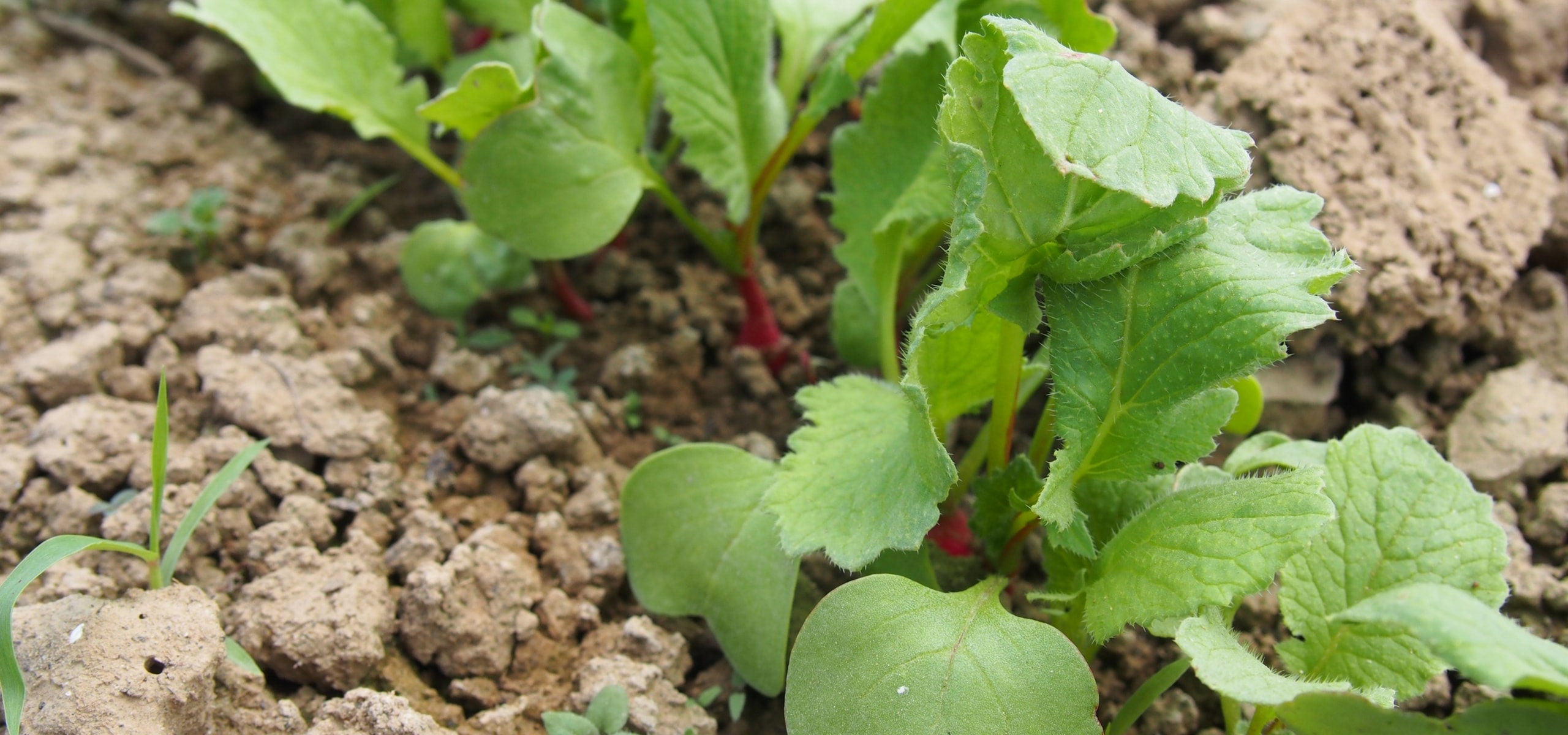
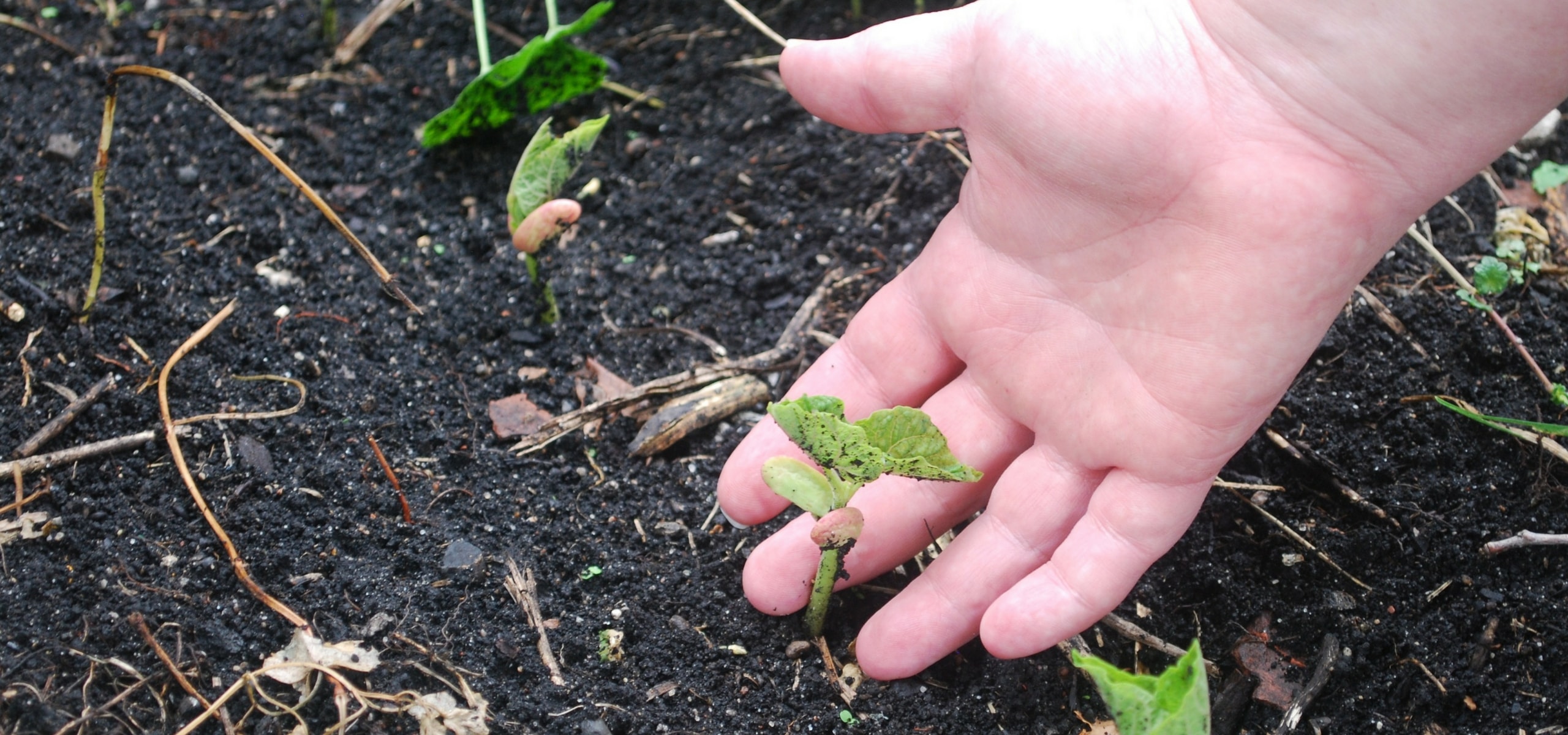
Once the sowing has germinated, thinning is necessary. This operation consists of removing the weaker plants, leaving only the strongest ones, at a spacing of 4 to 5 cm (2in) for monthly radishes, and 10 to 15 cm (4 to 6in) for turnip radishes.
The soil should be kept relatively moist with regular, but not excessive, watering. Hoeing, weeding, and mulching, combined with watering, will help limit the production of spicy radishes. Additionally, preserving moisture will prevent flea beetle invasions, which thrive in hot and dry weather.
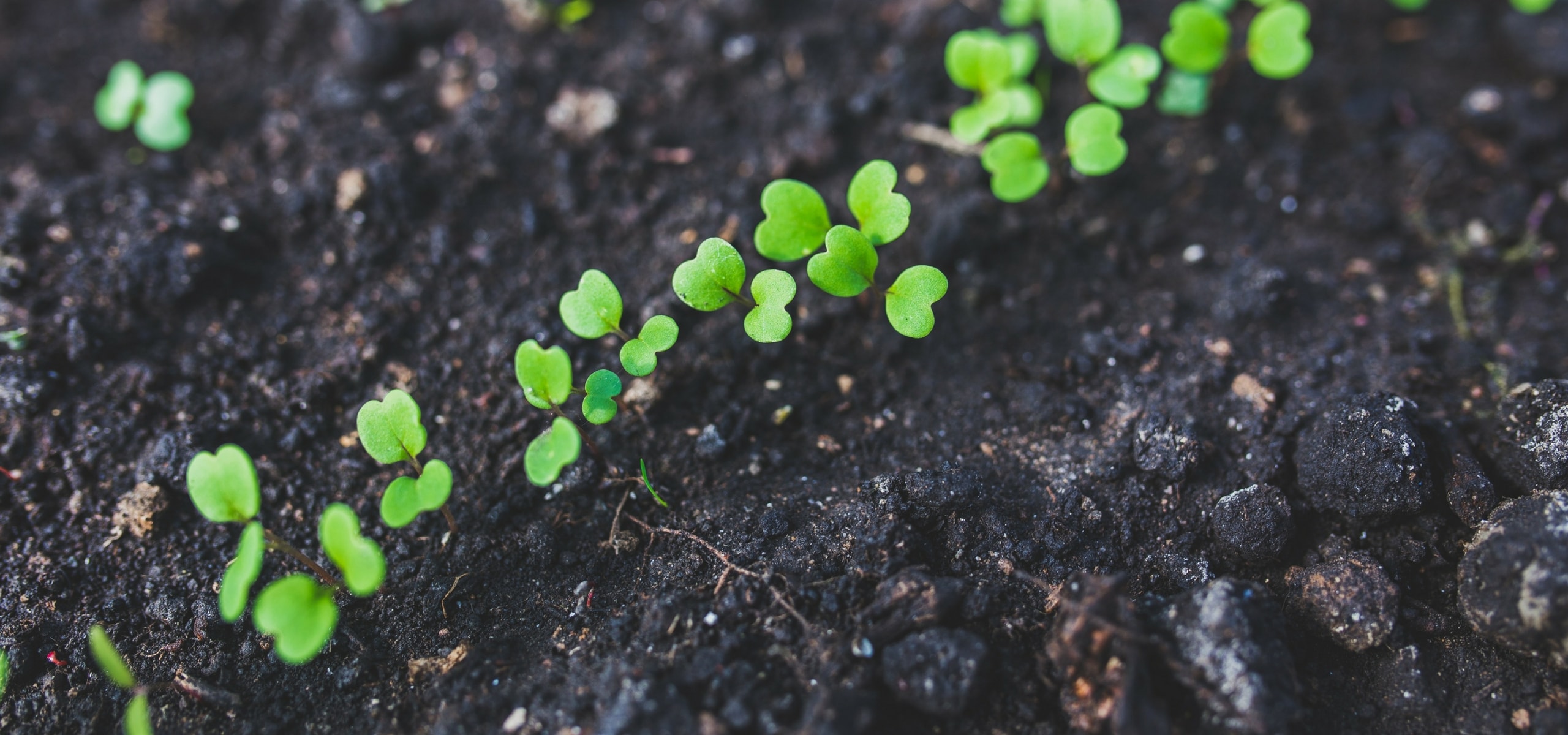
Seedlings
Care
Intended location
Planting & care advice
-
-
-
-
-
-
-
-
This item has not been reviewed yet - be the first to leave a review about it.
Recently viewed products
Haven't found what you were looking for?
Hardiness is the lowest winter temperature a plant can endure without suffering serious damage or even dying. However, hardiness is affected by location (a sheltered area, such as a patio), protection (winter cover) and soil type (hardiness is improved by well-drained soil).

The flowering period indicated on our website applies to countries and regions located in USDA zone 8 (France, the United Kingdom, Ireland, the Netherlands, etc.)
It will vary according to where you live:- In zones 9 to 10 (Italy, Spain, Greece, etc.), flowering will occur about 2 to 4 weeks earlier.
- In zones 6 to 7 (Germany, Poland, Slovenia, and lower mountainous regions), flowering will be delayed by 2 to 3 weeks.
- In zone 5 (Central Europe, Scandinavia), blooming will be delayed by 3 to 5 weeks.
In temperate climates, pruning of spring-flowering shrubs (forsythia, spireas, etc.) should be done just after flowering.
Pruning of summer-flowering shrubs (Indian Lilac, Perovskia, etc.) can be done in winter or spring.
In cold regions as well as with frost-sensitive plants, avoid pruning too early when severe frosts may still occur.
The planting period indicated on our website applies to countries and regions located in USDA zone 8 (France, United Kingdom, Ireland, Netherlands).
It will vary according to where you live:
- In Mediterranean zones (Marseille, Madrid, Milan, etc.), autumn and winter are the best planting periods.
- In continental zones (Strasbourg, Munich, Vienna, etc.), delay planting by 2 to 3 weeks in spring and bring it forward by 2 to 4 weeks in autumn.
- In mountainous regions (the Alps, Pyrenees, Carpathians, etc.), it is best to plant in late spring (May-June) or late summer (August-September).
The harvesting period indicated on our website applies to countries and regions in USDA zone 8 (France, England, Ireland, the Netherlands).
In colder areas (Scandinavia, Poland, Austria...) fruit and vegetable harvests are likely to be delayed by 3-4 weeks.
In warmer areas (Italy, Spain, Greece, etc.), harvesting will probably take place earlier, depending on weather conditions.
The sowing periods indicated on our website apply to countries and regions within USDA Zone 8 (France, UK, Ireland, Netherlands).
In colder areas (Scandinavia, Poland, Austria...), delay any outdoor sowing by 3-4 weeks, or sow under glass.
In warmer climes (Italy, Spain, Greece, etc.), bring outdoor sowing forward by a few weeks.
Shipping country and language
Your country of residence may be:
Your country of residence is:
For a better user experience on our website, you can select:
Your shipping country:
-
 Austria
-
 Belgium
-
 Bosnia & Herzegovina
-
 Bulgaria
-
 Croatia
-
 Cyprus
-
 Czechia
-
 Denmark
-
 Estonia
-
 Finland
-
 France
-
 Germany
-
 Greece
-
 Hungary
-
 Iceland
-
 Ireland
-
 Italy
Italy
-
 Latvia
-
 Liechtenstein
-
 Lithuania
-
 Luxembourg
-
 Malta
Malta
-
 Netherlands
-
 Poland
-
 Portugal
-
 Romania
-
 Serbia
-
 Slovakia
-
 Slovenia
-
 Spain
Spain
-
 Sweden
-
 Switzerland
Language:
-
French
-
 English
-
Spanish
-
Italian
-
German
-
Portuguese
-
Dutch
-
Finnish
My Account
Hello
My wish lists
My cart
Log in / Register
Existing customer?
This form is protected by reCAPTCHA - the Google Privacy Policy and Terms of Service apply.
New customer?
Create an account to track your orders, access our customer service and, if you wish, make the most of our upcoming offers.