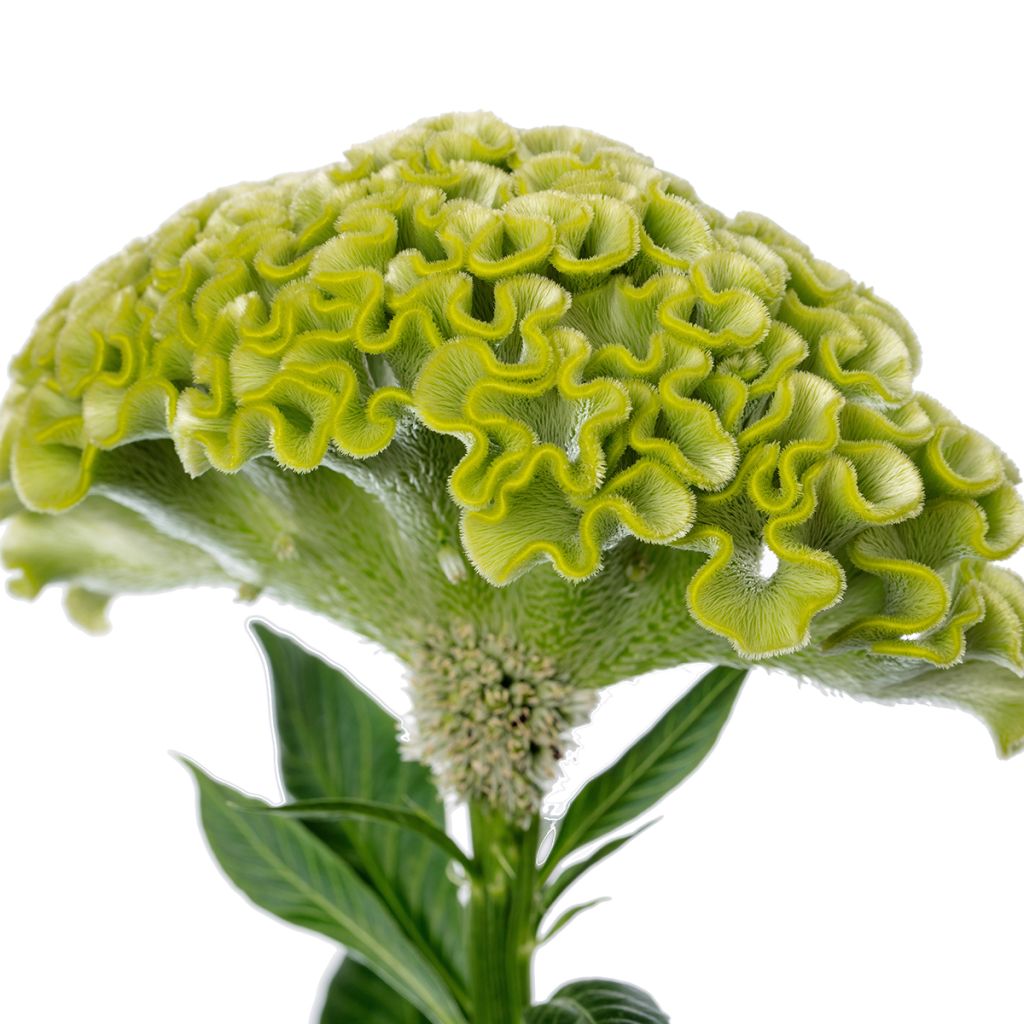
Celosia cristata Act Verda seeds - Crested Cock's-comb

Celosia cristata Act Verda seeds - Crested Cock's-comb
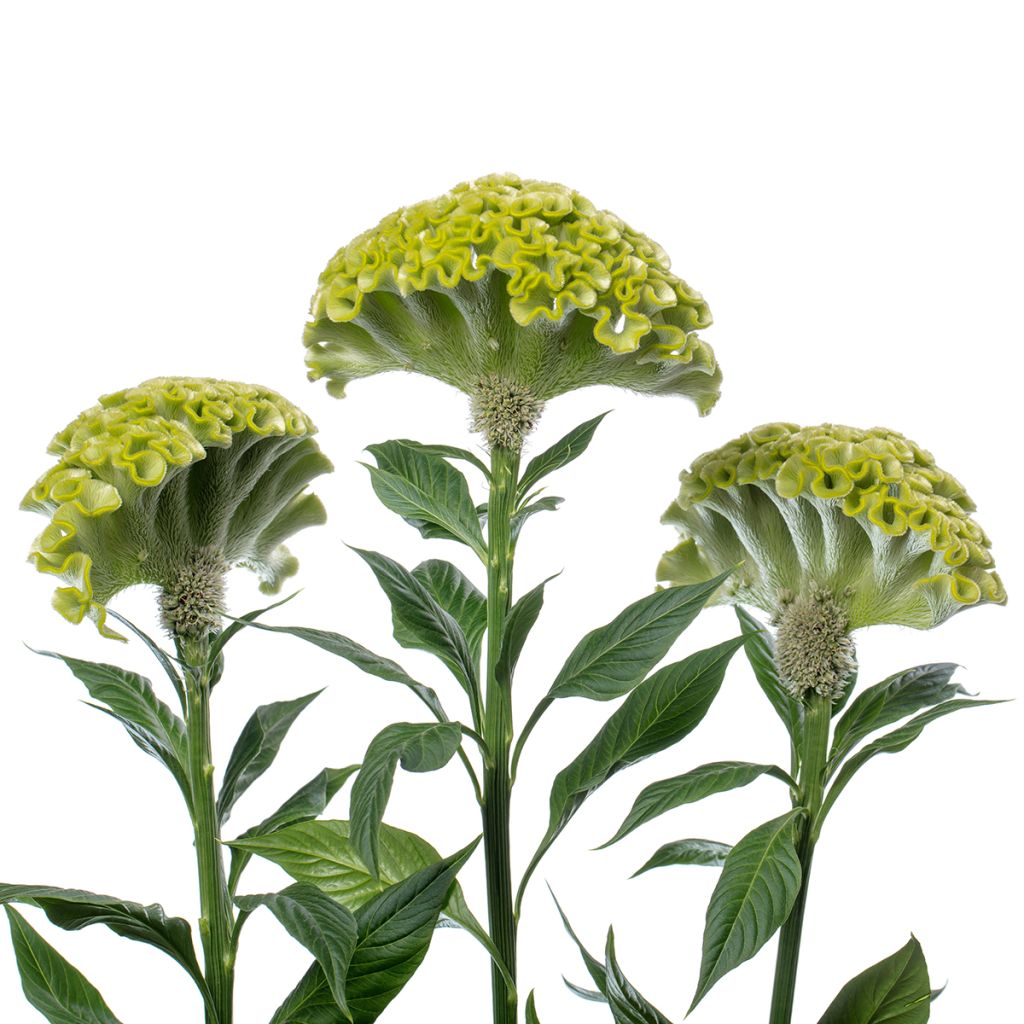
Celosia cristata Act Verda seeds - Crested Cock's-comb
Celosia cristata Act Verda seeds - Crested Cock's-comb
Celosia argentea 'Act Verda'
Crested Cock's-comb
Back-to-school special offer!
Get €10 off for every €50 you spend! And get up to €40 off on a single order.
How does it work?
1. Shop your favourites
Add your favourite plants to your basket. For every €50 you spend (excluding delivery charges, store credit and the plastic-free option), you’ll receive a €10 voucher.
€50 spent = €10 voucher
€100 spent = €20 voucher
€150 spent = €30 voucher
€200 spent = €40 voucher
2. Place your order
Once your basket reaches one of the spending thresholds, place your order. You can even choose your delivery date!
3. Receive your voucher
As soon as your order has been shipped, you’ll receive an email containing your personal voucher code and its value.
4. Use it on your next order
Your voucher is valid for 90 days from the date you receive it. It can be used once only, on a new order worth at least the value of the voucher, excluding delivery charges.
Please note: Vouchers can be combined with other offers, but cannot be split or refunded.
Home or relay delivery (depending on size and destination)
Important: You may be charged customs duties by your country’s customs authorities upon delivery.
Schedule delivery date,
and select date in basket
This plant carries a 6 months recovery warranty
More information
We guarantee the quality of our plants for a full growing cycle, and will replace at our expense any plant that fails to recover under normal climatic and planting conditions.
Would this plant suit my garden?
Set up your Plantfit profile →
Description
La Célosie crête‑de‑coq ou Celosia argentea var. cristata ‘Act Verda’ apporte une couleur vert lime très fraîche aux massifs et aux bouquets maison. Appréciée des fleuristes pour son port bien droit, sa fleur en crête charnue et sa durée de vie en vase, elle convient à la culture en pleine terre, en pots et bacs sur une terrasse. Cette plante annuelle offre une floraison continue de l’été jusqu’aux premiers froids.
De la famille des Amaranthacées, la Celosia argentea var. cristata est souvent rencontrée sous les synonymes Celosia cristata et C. argentea f. cristata. L’espèce type est originaire des zones tropicales d’Afrique et s’est largement naturalisée en Asie du Sud et du Sud‑Est ; la forme crêtée, connue depuis des siècles dans les jardins en Inde, en Birmanie et en Chine, est issue d’une fasciation de l’inflorescence.
Le cultivar ‘Act Verda’ appartient à la série Act, développée pour les professionnels de la fleur coupée. Elle se caractérise par une grande homogénéité, une floraison qui intervient 8 à 13 semaines après le repiquage, des tiges longues et droites peu ou pas ramifiées, une bonne tenue en vase et une tolérance accrue aux maladies telles que le Botrytis et le Fusarium.
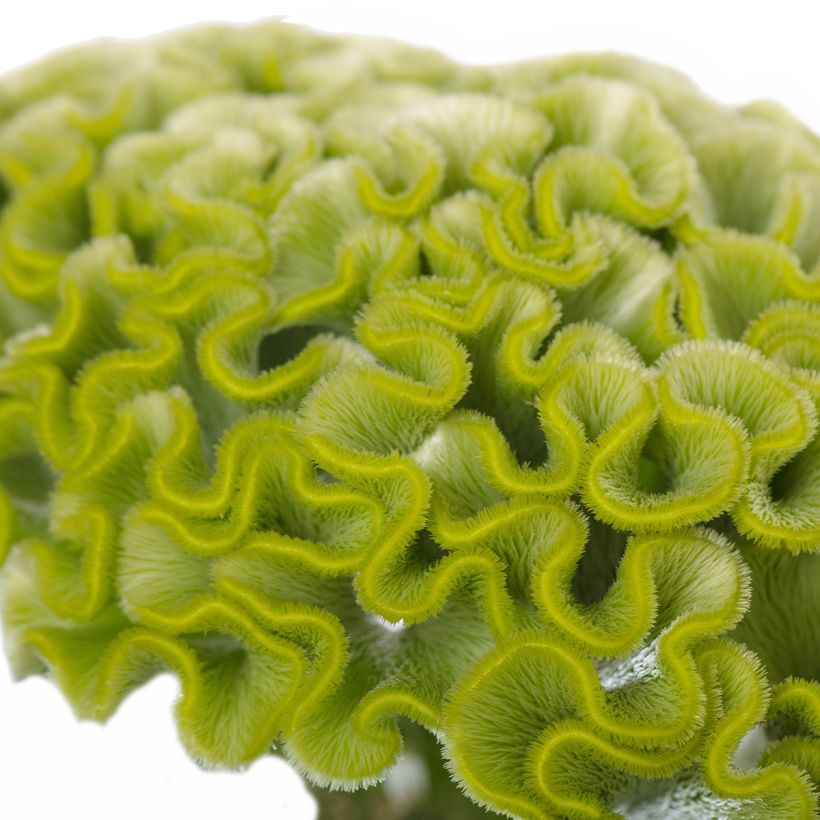
La plante adopte un port strictement érigé, elle pousse vite avec de la chaleur et une forte lumière. En pleine terre ou sous abri, sa hauteur atteint 1 m à 1,30 m ; en pot, elle s'élève entre 40 et 60 cm. Les tiges, vertes et charnues, portent des feuilles alternes, lancéolés à elliptiques, lisses et d'un vert moyen ; chaque feuille mesure approximativement 6 à 15 cm de long pour 2 à 5 cm de large et présente une nervure médiane marquée. Le système racinaire est pivotant : cela impose un repiquage précoce en veillant à ne pas le perturber. L’inflorescence est une crête fasciée très dense, à la surface veloutée et aux ondulations épaisses ; chez ‘Act Verda’, le coloris reste vert lime du bouton jusqu'à la pleine maturité. La "crête" mesure 10 à 15 cm de large ; la floraison est continue de juin à octobre, elle sera plus précoce sous abri chauffé.
La plante ne résiste pas au gel. L’espèce peut toutefois se comporter en vivace de courte vie en climat tropical ; sous nos latitudes, ‘Act Verda’ est systématiquement cultivée comme une annuelle à floraison estivale.
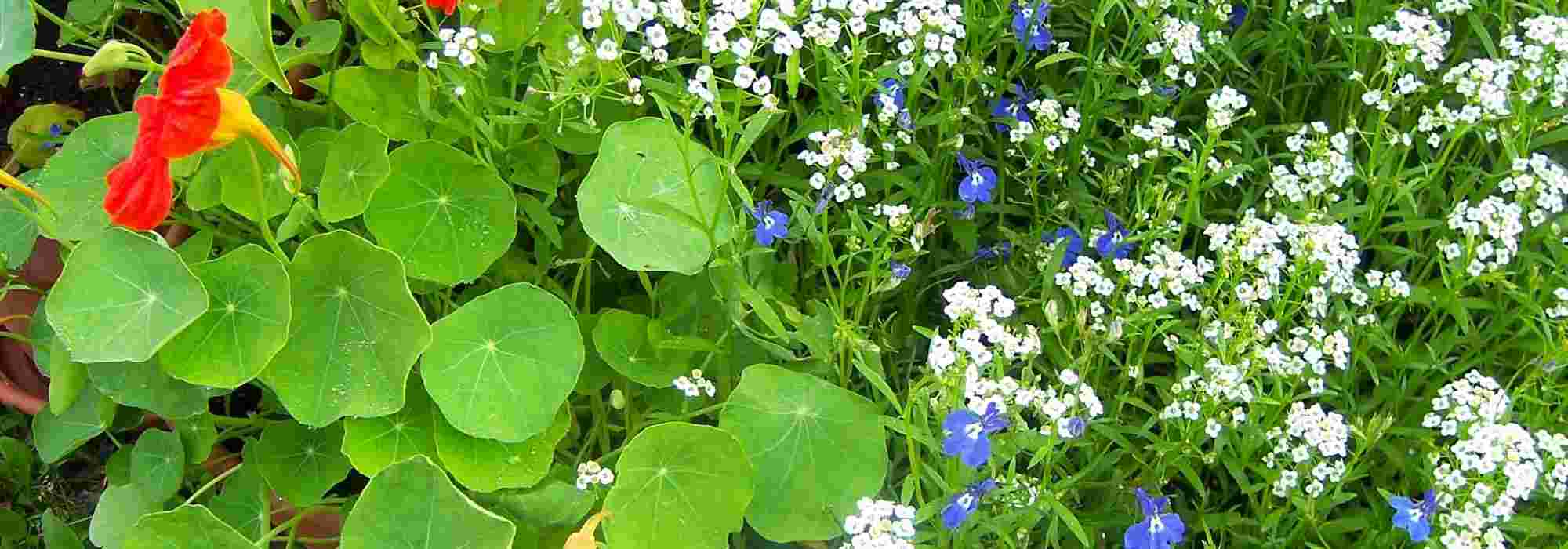
Dans un massif d'été, plantez ‘Act Verda’ par petits groupes de 3 à 5 sujets ; ses crêtes de velours vert lime mettront en valeur les plantes voisines. Elle s'associe bien avec des zinnias aux tons chartreuse ou rosés (Zinnia elegans ‘Queen Lime with Blotch’), des amarantes queue-de-renard (Amaranthus caudatus ‘Green Cascade’), des graminées échevelées pour le volume (Briza maxima) et des dahlias aux teintes douces comme 'Trustfull'. En pot, choisissez un contenant d’au moins 20–25 cm de diamètre, un terreau drainant enrichi, et placez vos potées en plein soleil à l'abri du vent ; associez cette célosie à un coléus vert chartreuse 'Copinto Caipirinha' ou à une euphorbe 'Diamond Snow' dans une composition plus contemporaine.
Report an error about the product description
Celosia cristata Act Verda seeds - Crested Cock's-comb in pictures
Flowering
Foliage
Plant habit
Botanical data
Celosia
argentea
'Act Verda'
Amarantaceae
Crested Cock's-comb
Celosia argentea var. cristata 'Act Verda'
Cultivar or hybrid
Planting and care
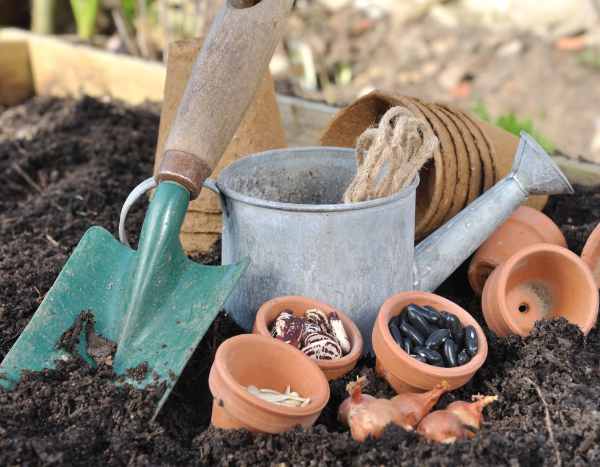
Sow 'Act Verda' Celosia from February to April in a seed tray, in warmth.
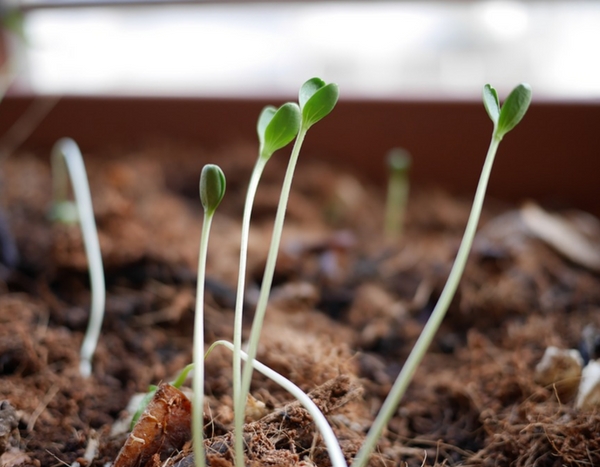
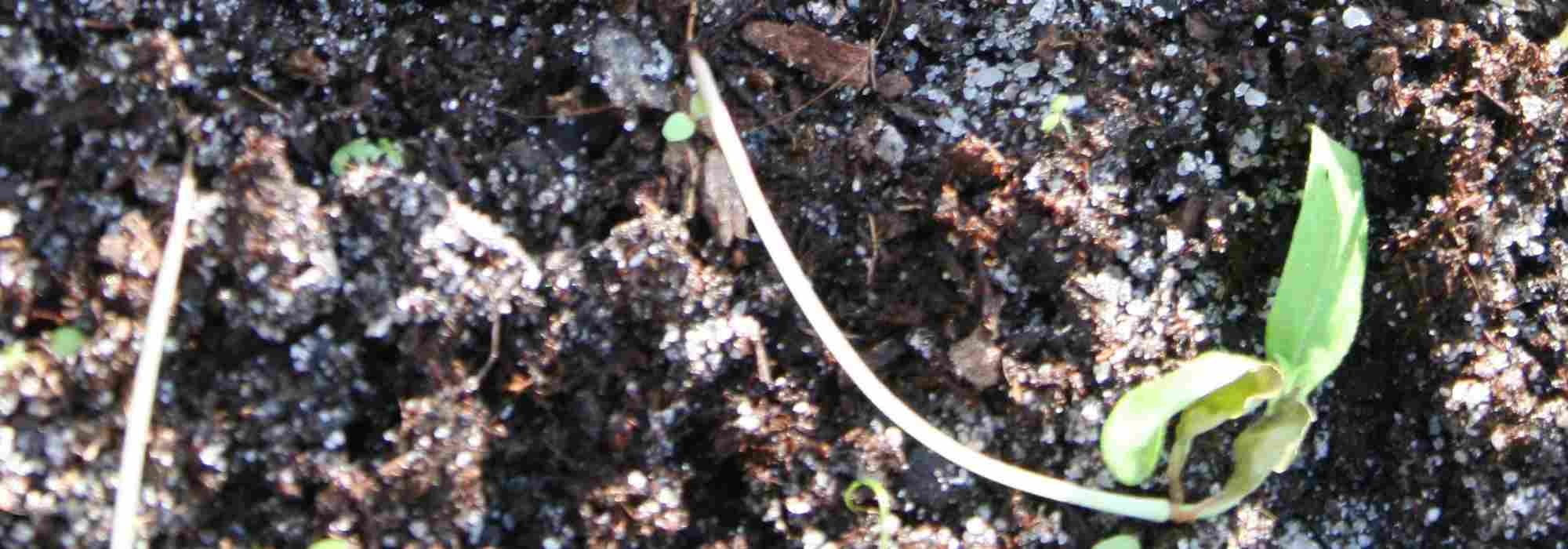
Use a fine special sowing compost, sow on the surface and do not cover the seeds; if necessary, sprinkle very lightly with vermiculite; barely firm and moisten with a fine spray or by capillary action. Place your sowing at 24–26 °C under bright light, but without direct sun; germination occurs in 5 to 10 days.
Transplant at the 2–3 true leaf stage into pots, then grow your seedlings at 17–20 °C keeping the substrate moist, but not waterlogged. Begin to harden them off 10–15 days before planting and avoid exposing them to temperatures below 15 °C.
Plant your celosias in their final position in late May or early June, in full sun, in a well-drained soil enriched with well-rotted compost. To obtain long stems for cutting, space your young plants 12 to 15 cm apart and do not pinch them; allow 8 to 13 weeks of cultivation before you can harvest your first flowering stems.
Sowing period
Intended location
Planting & care advice
-

-
-
-
-

-
-

-

This item has not been reviewed yet - be the first to leave a review about it.
Recently viewed products
Haven't found what you were looking for?
Hardiness is the lowest winter temperature a plant can endure without suffering serious damage or even dying. However, hardiness is affected by location (a sheltered area, such as a patio), protection (winter cover) and soil type (hardiness is improved by well-drained soil).

The flowering period indicated on our website applies to countries and regions located in USDA zone 8 (France, the United Kingdom, Ireland, the Netherlands, etc.)
It will vary according to where you live:- In zones 9 to 10 (Italy, Spain, Greece, etc.), flowering will occur about 2 to 4 weeks earlier.
- In zones 6 to 7 (Germany, Poland, Slovenia, and lower mountainous regions), flowering will be delayed by 2 to 3 weeks.
- In zone 5 (Central Europe, Scandinavia), blooming will be delayed by 3 to 5 weeks.
In temperate climates, pruning of spring-flowering shrubs (forsythia, spireas, etc.) should be done just after flowering.
Pruning of summer-flowering shrubs (Indian Lilac, Perovskia, etc.) can be done in winter or spring.
In cold regions as well as with frost-sensitive plants, avoid pruning too early when severe frosts may still occur.
The planting period indicated on our website applies to countries and regions located in USDA zone 8 (France, United Kingdom, Ireland, Netherlands).
It will vary according to where you live:
- In Mediterranean zones (Marseille, Madrid, Milan, etc.), autumn and winter are the best planting periods.
- In continental zones (Strasbourg, Munich, Vienna, etc.), delay planting by 2 to 3 weeks in spring and bring it forward by 2 to 4 weeks in autumn.
- In mountainous regions (the Alps, Pyrenees, Carpathians, etc.), it is best to plant in late spring (May-June) or late summer (August-September).
The harvesting period indicated on our website applies to countries and regions in USDA zone 8 (France, England, Ireland, the Netherlands).
In colder areas (Scandinavia, Poland, Austria...) fruit and vegetable harvests are likely to be delayed by 3-4 weeks.
In warmer areas (Italy, Spain, Greece, etc.), harvesting will probably take place earlier, depending on weather conditions.
The sowing periods indicated on our website apply to countries and regions within USDA Zone 8 (France, UK, Ireland, Netherlands).
In colder areas (Scandinavia, Poland, Austria...), delay any outdoor sowing by 3-4 weeks, or sow under glass.
In warmer climes (Italy, Spain, Greece, etc.), bring outdoor sowing forward by a few weeks.
Shipping country and language
Your country of residence may be:
Your country of residence is:
For a better user experience on our website, you can select:
Your shipping country:
-
 Austria
-
 Belgium
-
 Bosnia & Herzegovina
-
 Bulgaria
-
 Croatia
-
 Cyprus
-
 Czechia
-
 Denmark
-
 Estonia
-
 Finland
-
 France
-
 Germany
-
 Greece
-
 Hungary
-
 Iceland
-
 Ireland
-
 Italy
Italy
-
 Latvia
-
 Liechtenstein
-
 Lithuania
-
 Luxembourg
-
 Malta
Malta
-
 Netherlands
-
 Poland
-
 Portugal
-
 Romania
-
 Serbia
-
 Slovakia
-
 Slovenia
-
 Spain
Spain
-
 Sweden
-
 Switzerland
Language:
-
French
-
 English
-
Spanish
-
Italian
-
German
-
Portuguese
-
Dutch
-
Finnish
My Account
Hello
My wish lists
My cart
Log in / Register
Existing customer?
This form is protected by reCAPTCHA - the Google Privacy Policy and Terms of Service apply.
New customer?
Create an account to track your orders, access our customer service and, if you wish, make the most of our upcoming offers.