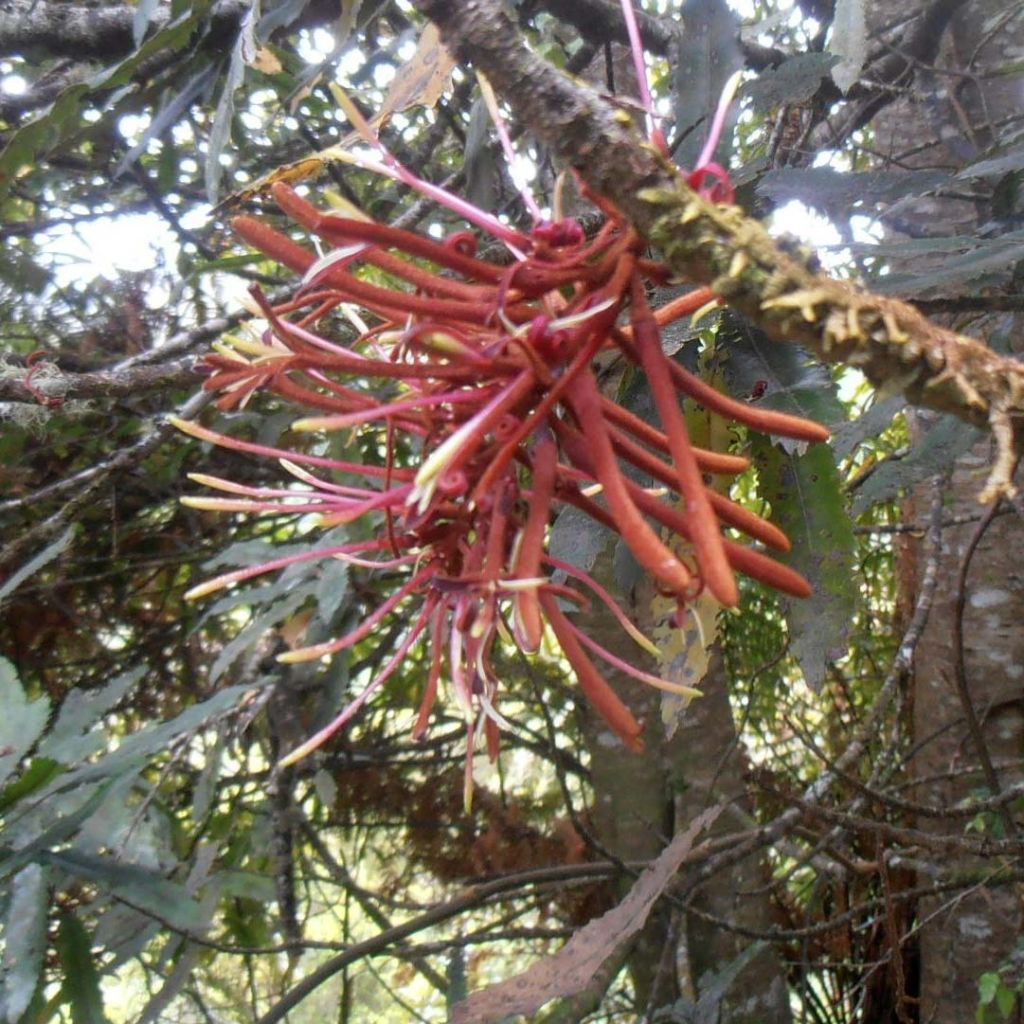
Knightia excelsa
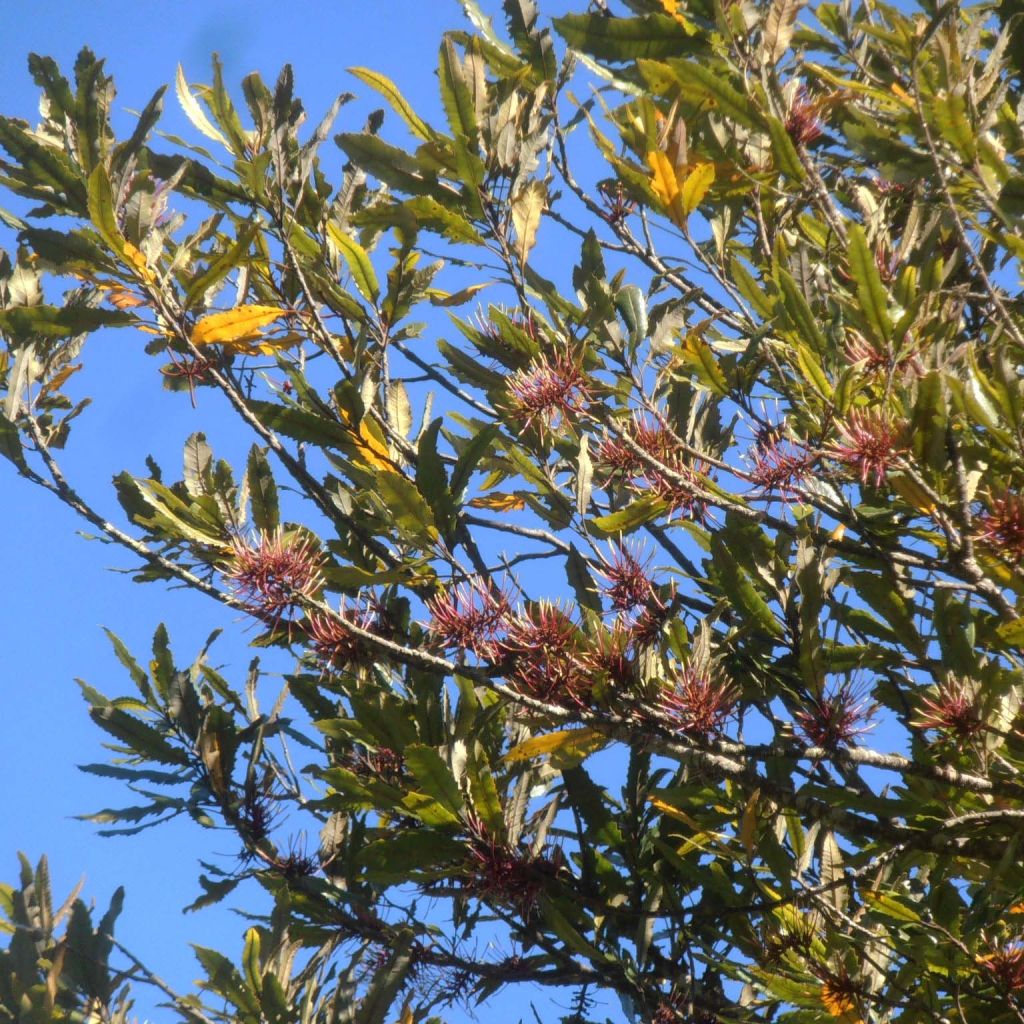
Knightia excelsa
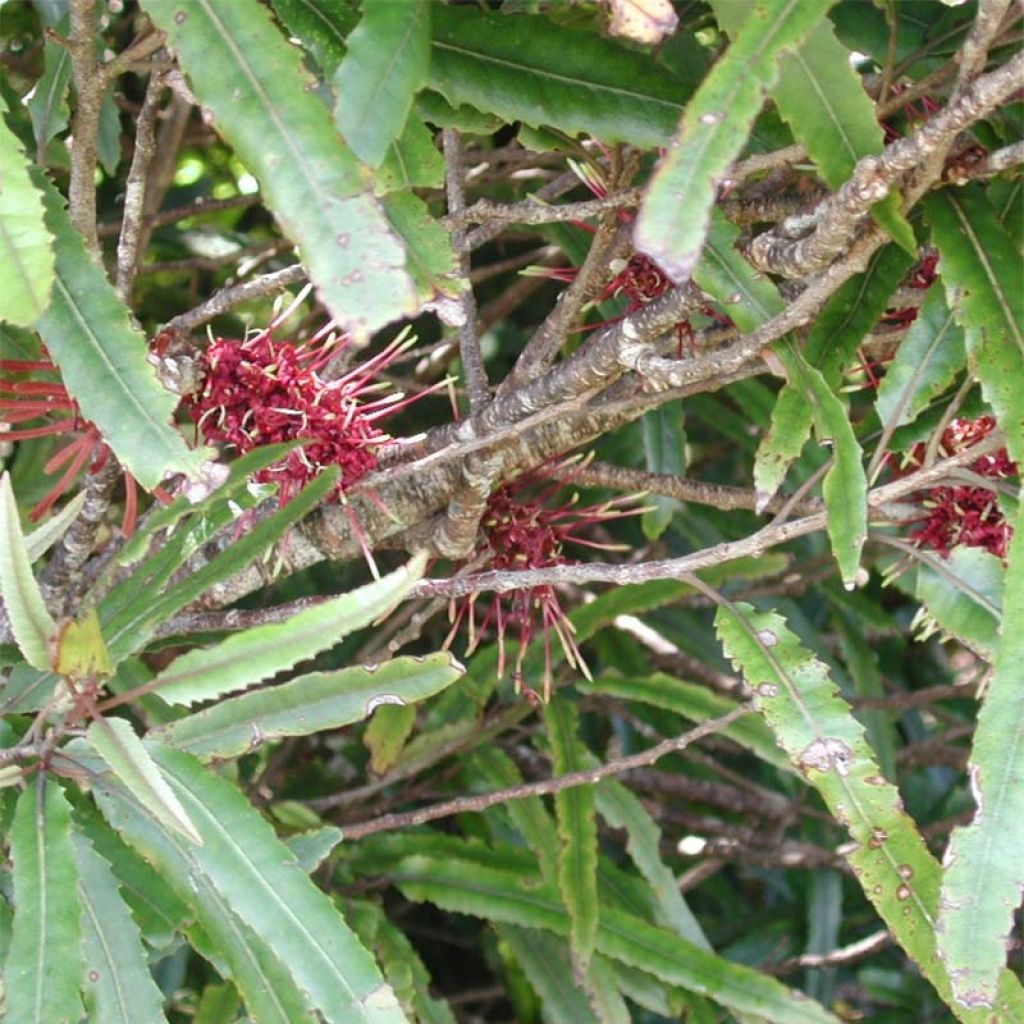
Knightia excelsa
Knightia excelsa
Knightia excelsa
New Zealand Honeysuckle, Rewarewa, New Zealand oak
Back-to-school special offer!
Get €10 off for every €50 you spend! And get up to €40 off on a single order.
How does it work?
1. Shop your favourites
Add your favourite plants to your basket. For every €50 you spend (excluding delivery charges, store credit and the plastic-free option), you’ll receive a €10 voucher.
€50 spent = €10 voucher
€100 spent = €20 voucher
€150 spent = €30 voucher
€200 spent = €40 voucher
2. Place your order
Once your basket reaches one of the spending thresholds, place your order. You can even choose your delivery date!
3. Receive your voucher
As soon as your order has been shipped, you’ll receive an email containing your personal voucher code and its value.
4. Use it on your next order
Your voucher is valid for 90 days from the date you receive it. It can be used once only, on a new order worth at least the value of the voucher, excluding delivery charges.
Please note: Vouchers can be combined with other offers, but cannot be split or refunded.
Why not try an alternative variety in stock?
View all →
Available in 1 sizes

Available in 1 sizes
Available in 1 sizes
Available in 1 sizes
Available in 1 sizes

Available in 1 sizes
Available in 1 sizes
Available in 1 sizes

Available in 1 sizes
Available in 1 sizes
This plant carries a 24 months recovery warranty
More information
We guarantee the quality of our plants for a full growing cycle, and will replace at our expense any plant that fails to recover under normal climatic and planting conditions.
Would this plant suit my garden?
Set up your Plantfit profile →
Description
Knightia exselsa, known as Rewarewa in Maori dialect, is part of those slightly strange groups of plants that come from the antipodal cells. While it forms a majestic tree in its native forests of New Zealand, it will have more modest dimensions in our latitudes, while maintaining its superb narrowly columnar habit. This little known plant has elegant and dense evergreen foliage, red velvet young shoots and unusual summer flowers in red-brown brushes. Easier to grow than its protea cousins, it is advisable to plant this in our mildest coastal regions as its resistance to cold is limited. Elegant and fascinating, it looks splendid in an exotic garden in the company of Leptospermum or mimosas.
Knightia exselsa is a tree from the proteaceae family originating from the North and South New Zealand islands (Marlborough Sounds region). It can be found in low altitude forests and valleys reaching up to nearly 30 m (98 ft 5 in) in height,. It is a useful plant of humid and very mild coastal climates and non-calcareous humus-rich soils. This Knightia is evergreen, it keeps its leaves all year round. It is resistant to temperatures as low as -5 to -7°C (23 to 19.4 °F) and requires free draining soil.
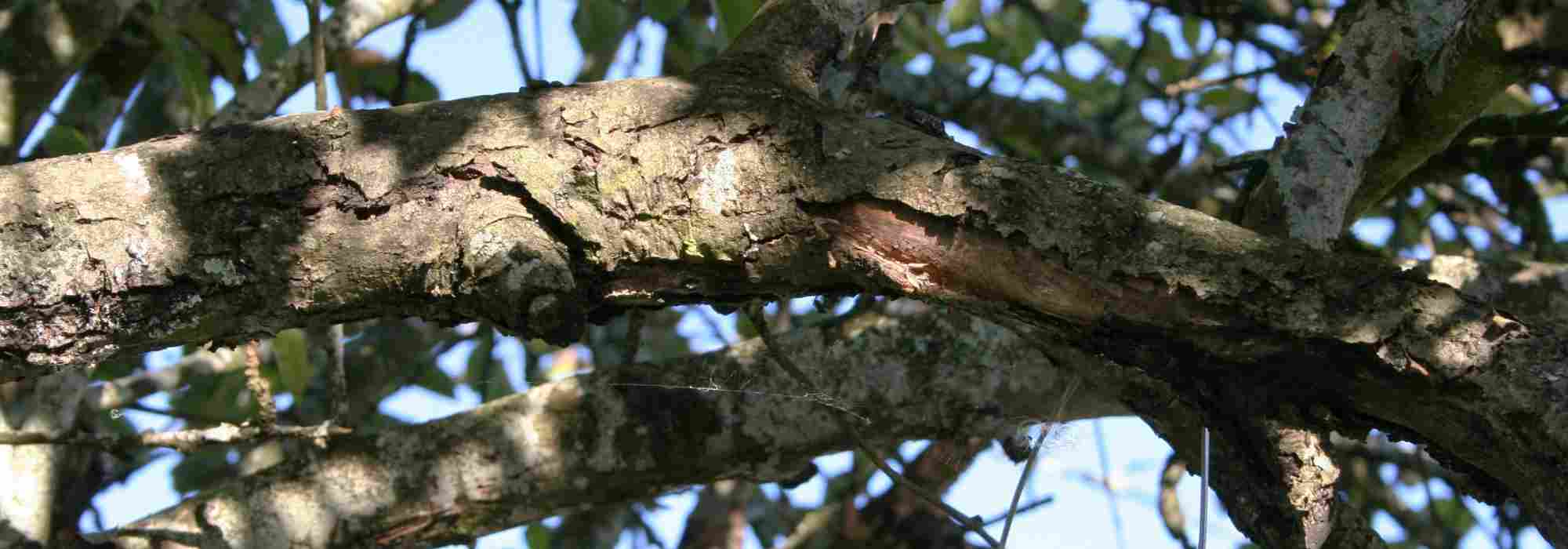
In our latitudes, with optimal growing conditions, this small tree will hardly exceed 5-6 m (16 ft 5 in-19 ft 8 in) in height and 1 to 2 m (3 ft 4 in to 6 ft 7 in) in width. The ascending trunk and branches are covered with a somewhat irregular brown to grey bark. The young shoots are covered with a reddish down. The juvenile leaves are linear to lanceolate in shape, wide, but tapered at both ends with dentate edges. Leaves measure up to 30 cm (11.8 in) in length and are yellow-green in colour. Leaves that develop on older branches are shorter, about 15 cm (5.9 in) long, narrowly oblong and coarsely dentate. The foliage is tough, very shiny on top and dark green in colour. Flowering takes place in July-August in favourable climates. It takes the form of inflorescences, 10 cm (3.9 in) long, carrying up to 80 elongated and tubular, villous, brown-red floral buds. Each bud opens to a rather dark red flower that spirals with all the flowers intertwining with each other at the base of the inflorescence. The spiralled flower reveals a long pink pistil tipped with green. These flowers, rich in nectar, attract many pollinating insects. The fruit is woody and look like pods measuring up to 4 cm (1.6 in) long. These will open into two halves to release winged seeds that will wind disperse in the wind.
With its prehistoric appearance, Knightia exselsa will tempt fans of exotic and unusual plants who garden in a mild climate. It works well as a specimen plant which allows you to admire the elegance of its silhouette all year round. With striking features, it is quite difficult to associate with other plants, although it can accompany for example Banksia integrifolia, Chilean fire tree or a large grevillea. It will grow well in light soils and also sheltered coastal gardens that are spared from heavy frosts. Always plant where there is plenty of space, in full sun.
Report an error about the product description
Knightia excelsa in pictures
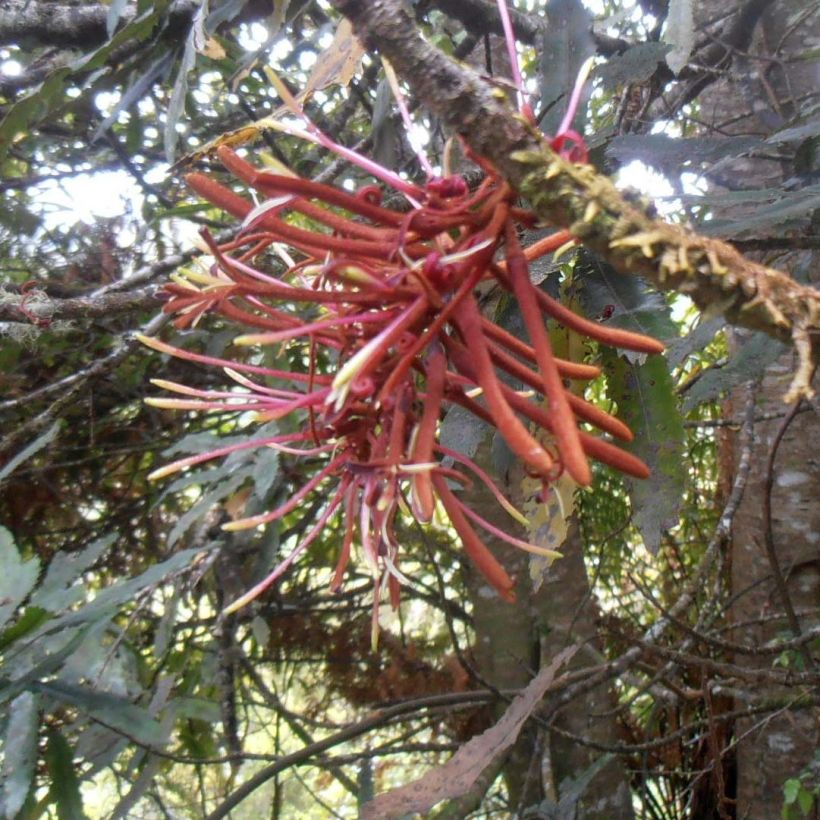
Plant habit
Flowering
Foliage
Botanical data
Knightia
excelsa
Proteaceae
New Zealand Honeysuckle, Rewarewa, New Zealand oak
Oceania
Planting and care
Plant Knightia exselsa, preferably in the spring, n a sunny position, sheltered from icy winds, where there is a mild coastal climate. This plant requires well-drained, light, slightly acidic or neutral soil. A mixture of leaf compost, a little heathland soil or crushed pine bark, and coarse river sand seems appropriate. Proteaceae are sensitive to excess phosphates and nitrates so you should avoid giving them much fertilizer. A small dose of dried blood at the base of the plant, in the spring, is usually sufficient. Mature plants tolerate occasional frosts upto -7°C (19.4 °F) in dry soil whilst young plants should be sheltered from frost during their few first years or planted in a frost-free and sunny position.
It is not recommended as a container plant as this plant can grow too big, however, this is possible whilst the plant is young.
Planting period
Intended location
Care
Planting & care advice
-
-
-
-
-
-
-

-
This item has not been reviewed yet - be the first to leave a review about it.
Recently viewed products
Haven't found what you were looking for?
Hardiness is the lowest winter temperature a plant can endure without suffering serious damage or even dying. However, hardiness is affected by location (a sheltered area, such as a patio), protection (winter cover) and soil type (hardiness is improved by well-drained soil).

The flowering period indicated on our website applies to countries and regions located in USDA zone 8 (France, the United Kingdom, Ireland, the Netherlands, etc.)
It will vary according to where you live:- In zones 9 to 10 (Italy, Spain, Greece, etc.), flowering will occur about 2 to 4 weeks earlier.
- In zones 6 to 7 (Germany, Poland, Slovenia, and lower mountainous regions), flowering will be delayed by 2 to 3 weeks.
- In zone 5 (Central Europe, Scandinavia), blooming will be delayed by 3 to 5 weeks.
In temperate climates, pruning of spring-flowering shrubs (forsythia, spireas, etc.) should be done just after flowering.
Pruning of summer-flowering shrubs (Indian Lilac, Perovskia, etc.) can be done in winter or spring.
In cold regions as well as with frost-sensitive plants, avoid pruning too early when severe frosts may still occur.
The planting period indicated on our website applies to countries and regions located in USDA zone 8 (France, United Kingdom, Ireland, Netherlands).
It will vary according to where you live:
- In Mediterranean zones (Marseille, Madrid, Milan, etc.), autumn and winter are the best planting periods.
- In continental zones (Strasbourg, Munich, Vienna, etc.), delay planting by 2 to 3 weeks in spring and bring it forward by 2 to 4 weeks in autumn.
- In mountainous regions (the Alps, Pyrenees, Carpathians, etc.), it is best to plant in late spring (May-June) or late summer (August-September).
The harvesting period indicated on our website applies to countries and regions in USDA zone 8 (France, England, Ireland, the Netherlands).
In colder areas (Scandinavia, Poland, Austria...) fruit and vegetable harvests are likely to be delayed by 3-4 weeks.
In warmer areas (Italy, Spain, Greece, etc.), harvesting will probably take place earlier, depending on weather conditions.
The sowing periods indicated on our website apply to countries and regions within USDA Zone 8 (France, UK, Ireland, Netherlands).
In colder areas (Scandinavia, Poland, Austria...), delay any outdoor sowing by 3-4 weeks, or sow under glass.
In warmer climes (Italy, Spain, Greece, etc.), bring outdoor sowing forward by a few weeks.
Shipping country and language
Your country of residence may be:
Your country of residence is:
For a better user experience on our website, you can select:
Your shipping country:
-
 Austria
-
 Belgium
-
 Bosnia & Herzegovina
-
 Bulgaria
-
 Croatia
-
 Cyprus
-
 Czechia
-
 Denmark
-
 Estonia
-
 Finland
-
 France
-
 Germany
-
 Greece
-
 Hungary
-
 Iceland
-
 Ireland
-
 Italy
Italy
-
 Latvia
-
 Liechtenstein
-
 Lithuania
-
 Luxembourg
-
 Malta
Malta
-
 Netherlands
-
 Poland
-
 Portugal
-
 Romania
-
 Serbia
-
 Slovakia
-
 Slovenia
-
 Spain
Spain
-
 Sweden
-
 Switzerland
Language:
-
French
-
 English
-
Spanish
-
Italian
-
German
-
Portuguese
-
Dutch
-
Finnish
My Account
Hello
My wish lists
My cart
Log in / Register
Existing customer?
This form is protected by reCAPTCHA - the Google Privacy Policy and Terms of Service apply.
New customer?
Create an account to track your orders, access our customer service and, if you wish, make the most of our upcoming offers.