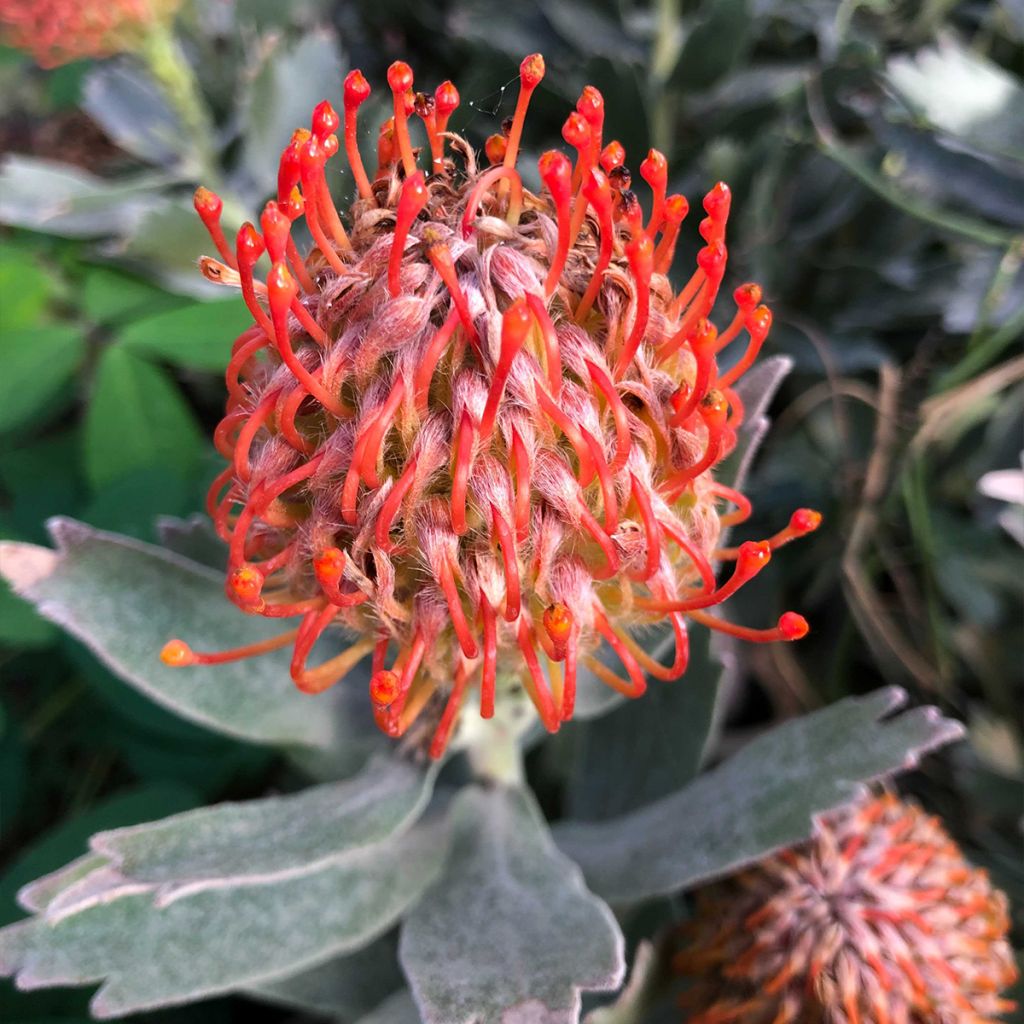
Leucospermum cordifolium Carnival Red
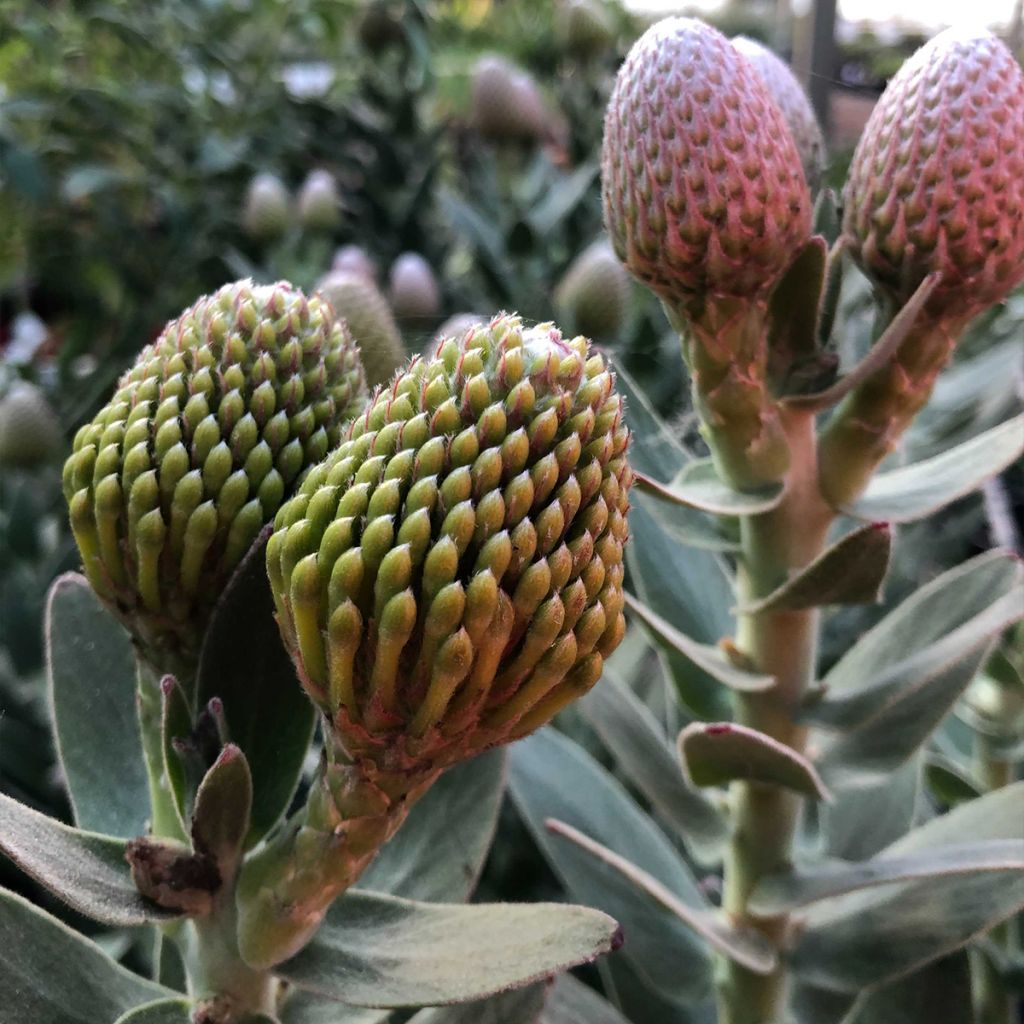
Leucospermum cordifolium Carnival Red
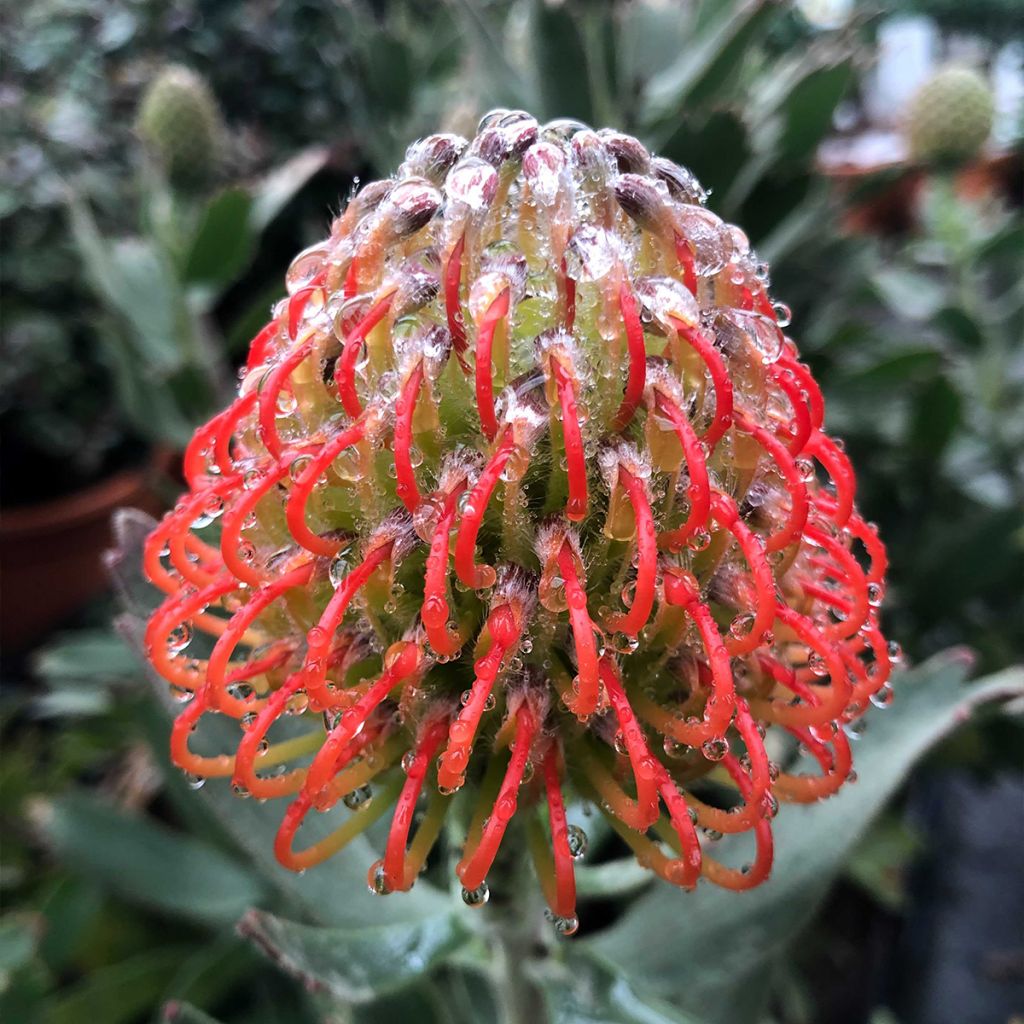
Leucospermum cordifolium Carnival Red
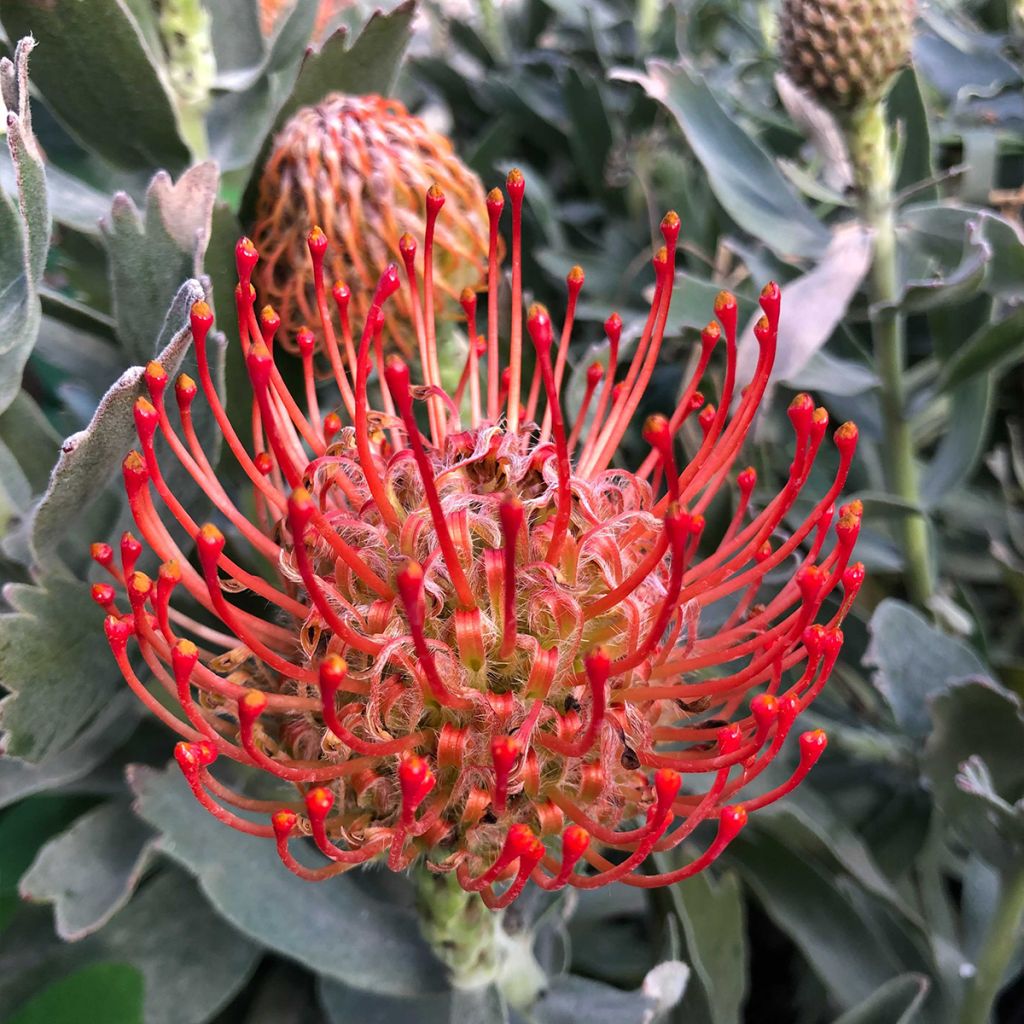
Leucospermum cordifolium Carnival Red
Leucospermum cordifolium Carnival Red
Leucospermum x cordifolium Carnival Red
Pincushion Protea, Pincushion Flower
Back-to-school special offer!
Get €10 off for every €50 you spend! And get up to €40 off on a single order.
How does it work?
1. Shop your favourites
Add your favourite plants to your basket. For every €50 you spend (excluding delivery charges, store credit and the plastic-free option), you’ll receive a €10 voucher.
€50 spent = €10 voucher
€100 spent = €20 voucher
€150 spent = €30 voucher
€200 spent = €40 voucher
2. Place your order
Once your basket reaches one of the spending thresholds, place your order. You can even choose your delivery date!
3. Receive your voucher
As soon as your order has been shipped, you’ll receive an email containing your personal voucher code and its value.
4. Use it on your next order
Your voucher is valid for 90 days from the date you receive it. It can be used once only, on a new order worth at least the value of the voucher, excluding delivery charges.
Please note: Vouchers can be combined with other offers, but cannot be split or refunded.
Why not try an alternative variety in stock?
View all →
Available in 1 sizes
Available in 1 sizes
Available in 1 sizes
Available in 1 sizes
Available in 1 sizes
Available in 1 sizes
Available in 1 sizes
Available in 1 sizes
Available in 1 sizes
Available in 1 sizes
This plant carries a 24 months recovery warranty
More information
We guarantee the quality of our plants for a full growing cycle, and will replace at our expense any plant that fails to recover under normal climatic and planting conditions.
Would this plant suit my garden?
Set up your Plantfit profile →
Description
The Leucospermum ‘Carnival Red’, also known as Pin Cushion Protea, is a South African bush related to proteas, spectacular, exotic, highly ornamental, but delicate to cultivate. This compact hybrid variety offers an unusually long spring flowering period, made of red and orange inflorescences. It can make a magnificent specimen in coastal gardens spared from frost. Mainland gardeners will appreciate its small size for cultivation in a container on the terrace, to be stored away in winter.
The Leucospermum 'Carnival Red' belongs to the protea family, just like the Grevillea and the Protea. The Leucospermum is native to South Africa, where it is found in the wild in coastal heathlands and sclerophyllous (dry) forests. It spontaneously develops on sandy, acidic, leached and draining soils, but it adapts very well to both rocky and clayey (non-limestone) or more loamy soils. Its appearance and morphology vary greatly depending on its habitat, there are several subspecies and ecotypes.
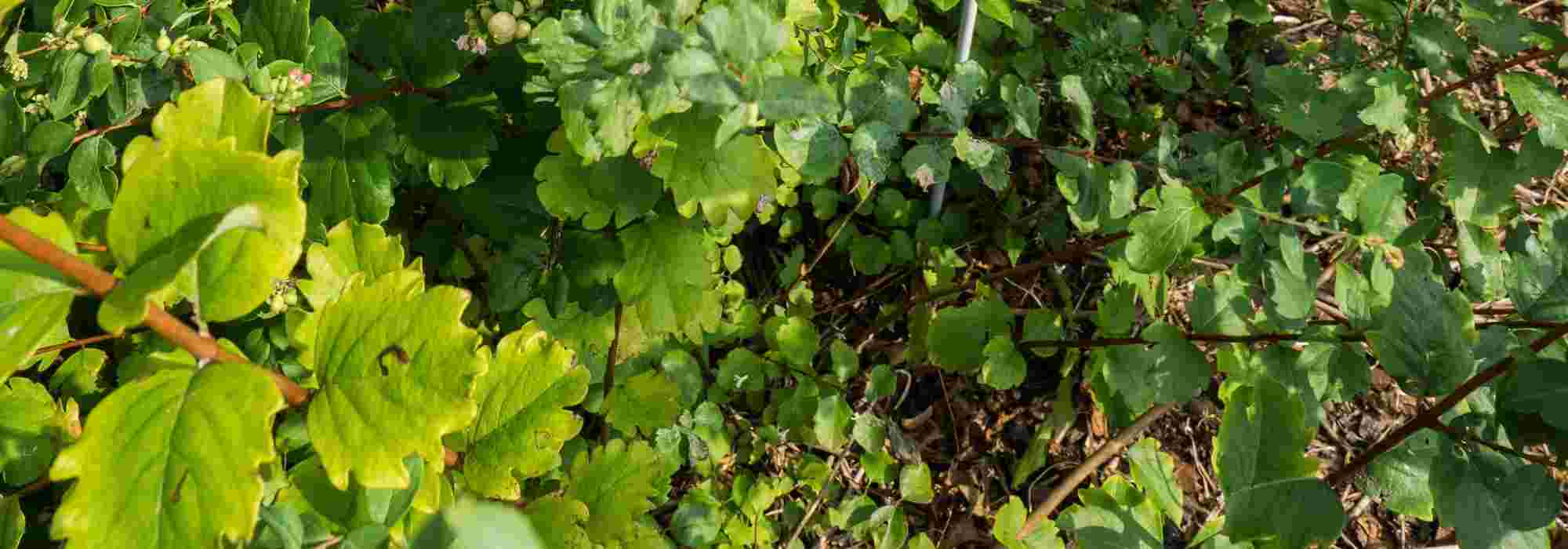
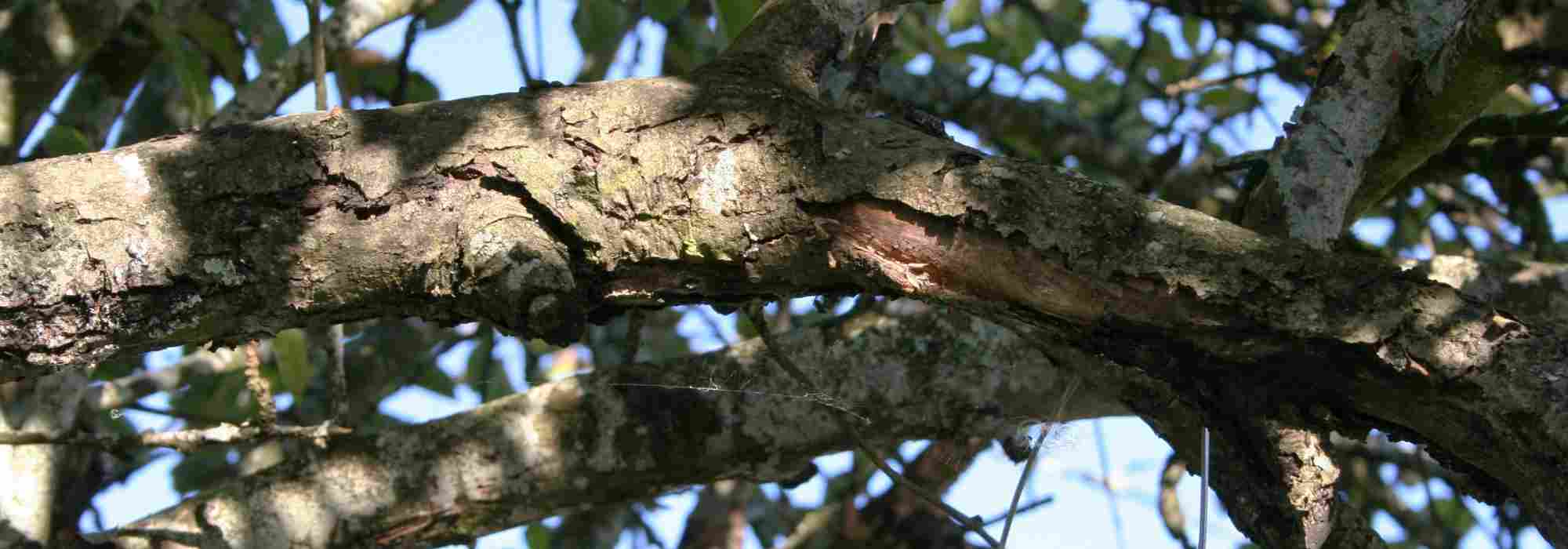
This small shrub, with a bushy and ramified habit, of rather slow growth, generally forms a rounded crown. It will on average reach 1 m (3 ft 4 in) in all directions, depending on growing conditions. Its branches carried on one or more trunks with corky bark are covered with tough and glabrous leaves, of medium green. They are densely spiralled around the stem. The flowering takes place from March to May, it can be a little delayed depending on the climate. It is not uncommon for the bush to flower, more sporadically, outside these periods, depending on the regions. The pin cushion inflorescences are scarlet red mixed with orange towards the centre, so much so that one would think the plant is covered with small fireballs! These flowers are very popular with pollinating insects. Most species of Leucospermum are pyrophytes, meaning they need the heat of fire to burst their fruits and release the seeds.
The Leucospermum ‘Carnival Red’ is a quite sensational plant that does not leave anyone indifferent. Despite its lack of hardiness (up to -3 °C for short periods), this bush is worth trying in coastal gardens, in sandy and poor soil, regularly dried out. Particularly adapted to the Mediterranean climate, it is content with poor, dry to arid soils. This compact variety will look magnificent planted in a dry rock garden and of course in a pot on a terrace, but always in an open situation, in full sun. It will also be appreciated for its long vase life to compose fabulous bouquets with bright colours.
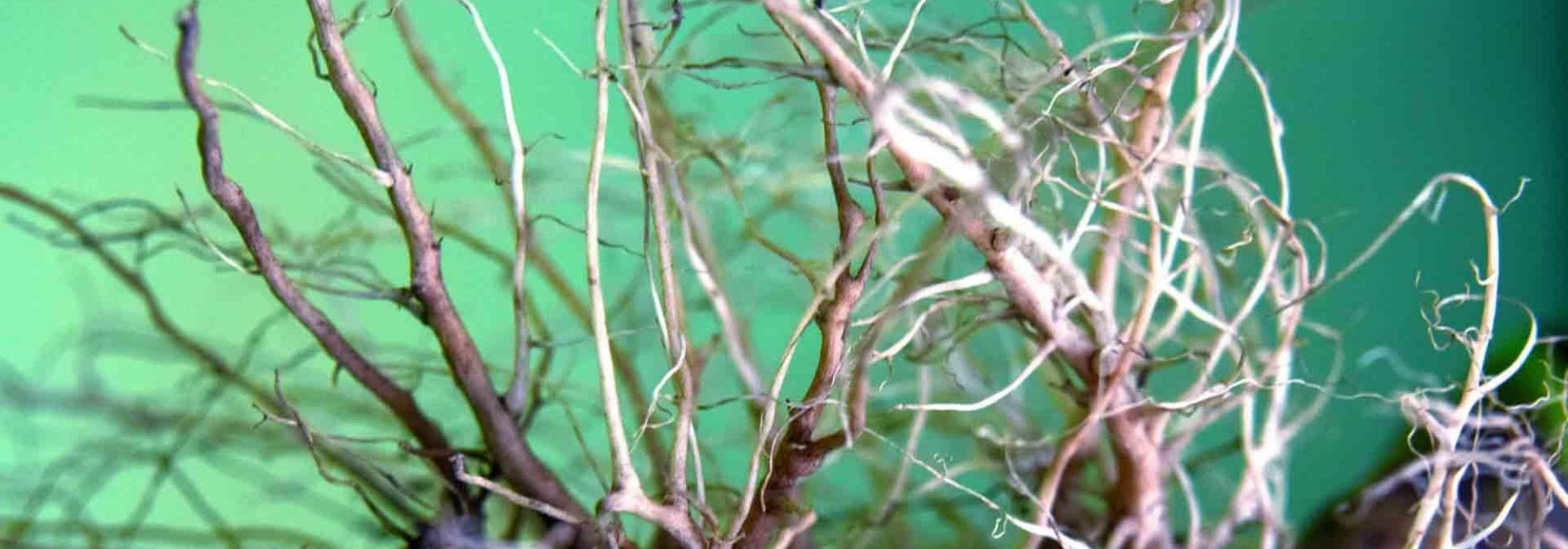
An original root system, adapted to poor and dry soils:
Plants that grow in a soil poor in nutrients often form a symbiosis with soil fungi that promote the absorption of water and nutrients. But Proteaceae have chosen another strategy: they develop a large amount of special lateral roots along their roots. These roots are called proteoid, and are induced by rain, they develop under the pile of dead leaves that cover the base of the plant. The rain promotes the decomposition of the leaves which results in the release of nutrients. These ephemeral roots usually dry up at the end of the growth period. They have a water and nutrient absorption activity twice as high as "normal" roots.
Report an error about the product description
Plant habit
Flowering
Foliage
Botanical data
Leucospermum
x cordifolium
Carnival Red
Proteaceae
Pincushion Protea, Pincushion Flower
South Africa
Planting and care
In open ground, in regions spared by frost, plant the Leucospermum preferably in spring, in a sunny exposure. This plant is quite tolerant to the soil, but does not appreciate limestone and permanently wet soils. Although it prefers a sandy soil with an acidic or neutral tendency (6.5<pH<7), it adapts well to loamy soils, or even clayey ones if they are drained and light. Water abundantly and spaciously (20 l of water every 15 days) to help recovery and promote deep rooting, particularly during the first 2 summers if the weather remains dry. Stake your young plant for as long as necessary for its rooting. Once well established, after 2 or 3 years of cultivation, the Leucospermum grown in open ground does without watering in summer, except in case of exceptional drought. It perfectly withstands sea spray and wind.
It is susceptible to phytophthora, a fungal disease that attacks the roots and collar of certain woody plants in both wet and warm soils.
Proteaceae are sensitive to an excess of phosphates and nitrates, so it is necessary to avoid giving too much fertilizer, or even to not give any at all. A supply of dried blood meal at the foot of the plant, in small doses, in spring, is generally sufficient. While adult plants tolerate occasional frosts of -3 °C in dry soil, young Leucospermum, on the other hand, should be sheltered from frost during their early years, in a frost-free room in a cool climate or under a winter veil in regions with mild winters.
Indoors, it is important to ensure good room ventilation and to avoid atmospheres that are too dry and too hot. A lightly heated veranda or a frost-free greenhouse will be perfect. A plant grown in a pot requires regular, but spaced, watering. Do not let the pot 'soak' in a saucer full of water, use a pot with holes in the bottom, taking care to arrange a bed of clay balls or gravel to promote drainage. In winter, watering will be reduced by half compared to normal, but be careful not to let the root ball dry out completely.
Take your Leucospermum outside after the last frosts and arrange on the surface of the soil a layer of compost low in phosphorus or a layer of well-decomposed humus, mixed with a little sand.
Planting period
Intended location
Care
Planting & care advice
-
-
-
-

-
-
-

-
This item has not been reviewed yet - be the first to leave a review about it.
Recently viewed products
Haven't found what you were looking for?
Hardiness is the lowest winter temperature a plant can endure without suffering serious damage or even dying. However, hardiness is affected by location (a sheltered area, such as a patio), protection (winter cover) and soil type (hardiness is improved by well-drained soil).

The flowering period indicated on our website applies to countries and regions located in USDA zone 8 (France, the United Kingdom, Ireland, the Netherlands, etc.)
It will vary according to where you live:- In zones 9 to 10 (Italy, Spain, Greece, etc.), flowering will occur about 2 to 4 weeks earlier.
- In zones 6 to 7 (Germany, Poland, Slovenia, and lower mountainous regions), flowering will be delayed by 2 to 3 weeks.
- In zone 5 (Central Europe, Scandinavia), blooming will be delayed by 3 to 5 weeks.
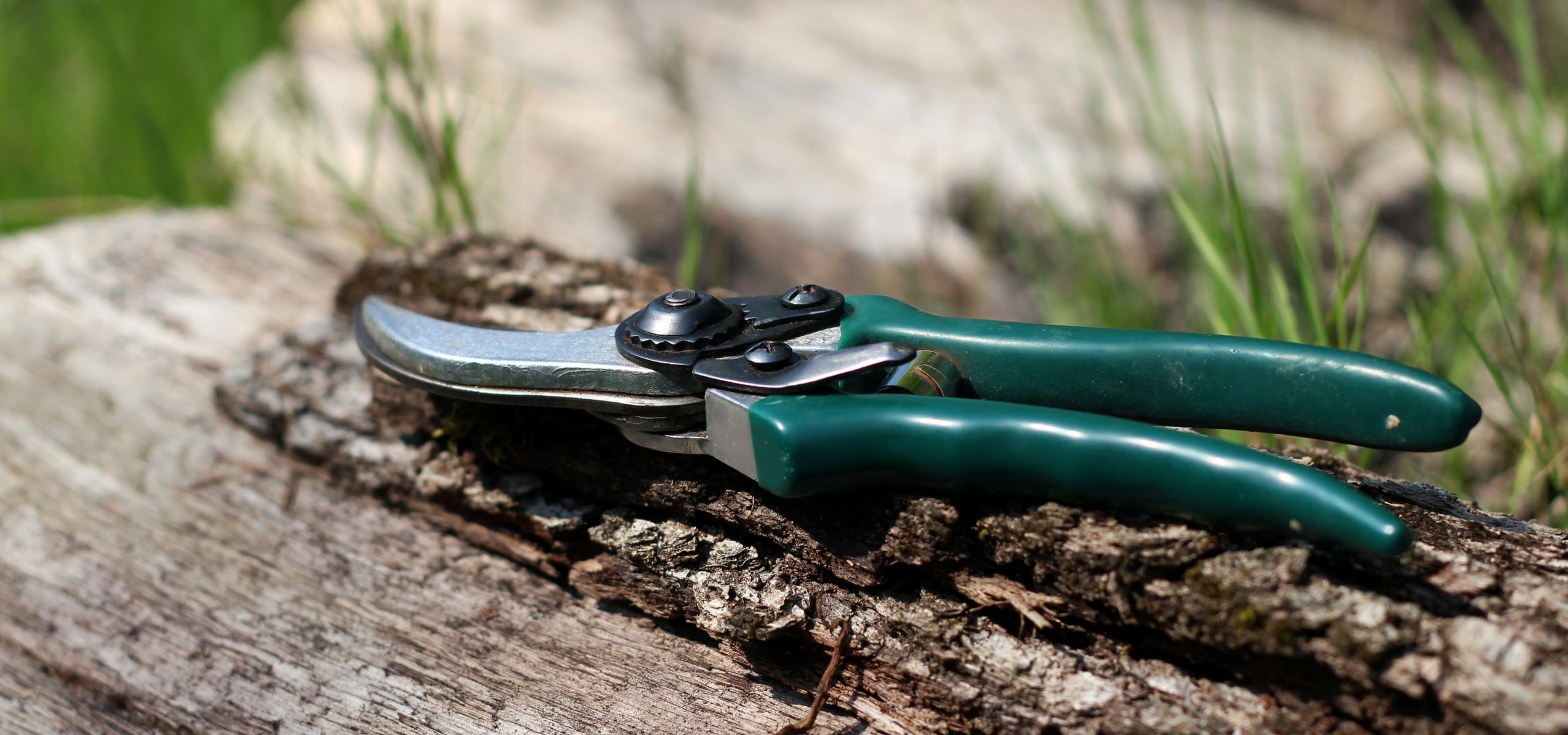
In temperate climates, pruning of spring-flowering shrubs (forsythia, spireas, etc.) should be done just after flowering.
Pruning of summer-flowering shrubs (Indian Lilac, Perovskia, etc.) can be done in winter or spring.
In cold regions as well as with frost-sensitive plants, avoid pruning too early when severe frosts may still occur.
The planting period indicated on our website applies to countries and regions located in USDA zone 8 (France, United Kingdom, Ireland, Netherlands).
It will vary according to where you live:
- In Mediterranean zones (Marseille, Madrid, Milan, etc.), autumn and winter are the best planting periods.
- In continental zones (Strasbourg, Munich, Vienna, etc.), delay planting by 2 to 3 weeks in spring and bring it forward by 2 to 4 weeks in autumn.
- In mountainous regions (the Alps, Pyrenees, Carpathians, etc.), it is best to plant in late spring (May-June) or late summer (August-September).
The harvesting period indicated on our website applies to countries and regions in USDA zone 8 (France, England, Ireland, the Netherlands).
In colder areas (Scandinavia, Poland, Austria...) fruit and vegetable harvests are likely to be delayed by 3-4 weeks.
In warmer areas (Italy, Spain, Greece, etc.), harvesting will probably take place earlier, depending on weather conditions.
The sowing periods indicated on our website apply to countries and regions within USDA Zone 8 (France, UK, Ireland, Netherlands).
In colder areas (Scandinavia, Poland, Austria...), delay any outdoor sowing by 3-4 weeks, or sow under glass.
In warmer climes (Italy, Spain, Greece, etc.), bring outdoor sowing forward by a few weeks.
Shipping country and language
Your country of residence may be:
Your country of residence is:
For a better user experience on our website, you can select:
Your shipping country:
-
 Austria
-
 Belgium
-
 Bosnia & Herzegovina
-
 Bulgaria
-
 Croatia
-
 Cyprus
-
 Czechia
-
 Denmark
-
 Estonia
-
 Finland
-
 France
-
 Germany
-
 Greece
-
 Hungary
-
 Iceland
-
 Ireland
-
 Italy
Italy
-
 Latvia
-
 Liechtenstein
-
 Lithuania
-
 Luxembourg
-
 Malta
Malta
-
 Netherlands
-
 Poland
-
 Portugal
-
 Romania
-
 Serbia
-
 Slovakia
-
 Slovenia
-
 Spain
Spain
-
 Sweden
-
 Switzerland
Language:
-
French
-
 English
-
Spanish
-
Italian
-
German
-
Portuguese
-
Dutch
-
Finnish
My Account
Hello
My wish lists
My cart
Log in / Register
Existing customer?
This form is protected by reCAPTCHA - the Google Privacy Policy and Terms of Service apply.
New customer?
Create an account to track your orders, access our customer service and, if you wish, make the most of our upcoming offers.